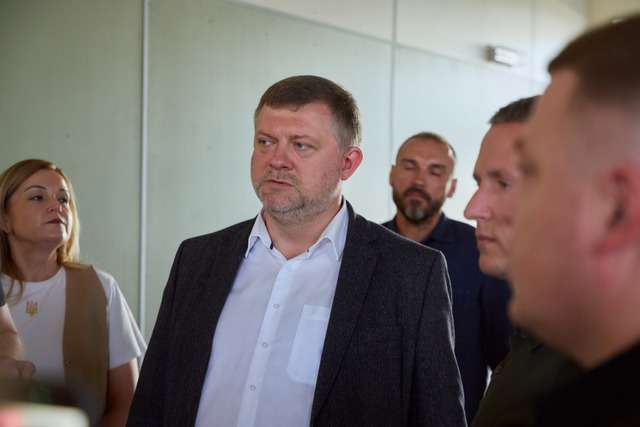
The First Deputy Speaker of the Verkhovna Rada of Ukraine, Oleksandr Korniienko, paid a working visit to Volyn region.
He held a meeting with representatives of local communities, during which they discussed the current issues of the region and solutions necessary for their stable operation and development.
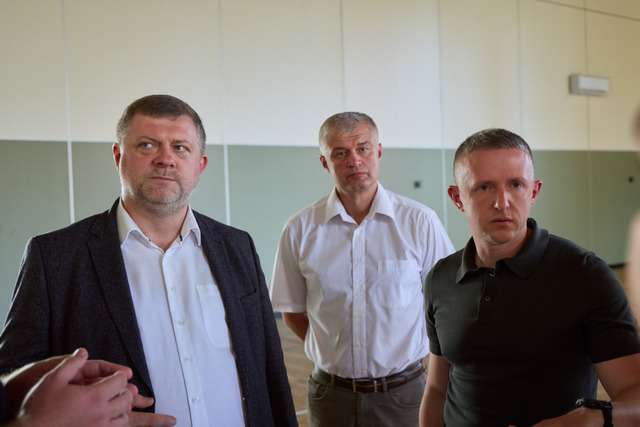
The meeting was attended by Vitalii Bezghin, Minister for Communities, Territories and Internally Displaced Persons Development of Ukraine; Roman Romaniuk, Acting Head of the Volyn Regional Military Administration; Hryhorii Nedopad, Chairman of the Volyn Regional Council; and Members of Parliament Vyacheslav Rublyov and Arseniy Pushkarenko.
Key issues include the financial capacity of local communities, retaining 64% of personal income tax, revising approaches to reverse subsidies, and ensuring timely and predictable funding for subventions and grants.
“Local communities need to know in advance the amount of funding they can expect for education, healthcare, social support, school meals, and other key areas. This will allow them to effectively plan their budgets before the start of the new fiscal year,” noted Oleksandr Korniienko.
A separate topic of discussion was the support for internally displaced persons (IDPs), particularly their integration into host communities, housing provision, and employment.
Another focus was regional policy and its alignment with European standards. Ukraine already has access to certain EU programs, making it crucial to build an effective system that enables communities to take full advantage of these opportunities.
The discussions also covered preparations for the heating season and strengthening the energy autonomy of local communities — specifically regarding backup power sources, solar generation, and energy storage systems required to ensure the uninterrupted operation of critical infrastructure amid russian attacks.
“Despite war and budget challenges, we continue to reform local self-government, strengthen the resilience of the state, and create conditions for the development of our territories,” emphasized Oleksandr Korniienko.
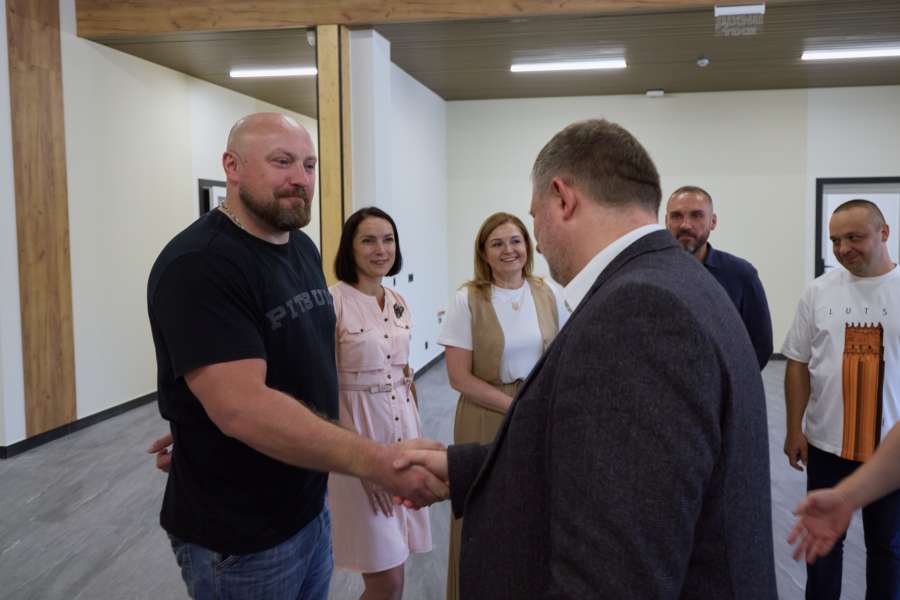
As part of the working visit, the First Deputy Speaker also visited a veteran space, where he learned about its operations and development plans. Representatives of the space outlined key needs that require solutions at the state level — specifically regarding amendments to a Cabinet of Ministers resolution necessary for its full-scale operation.
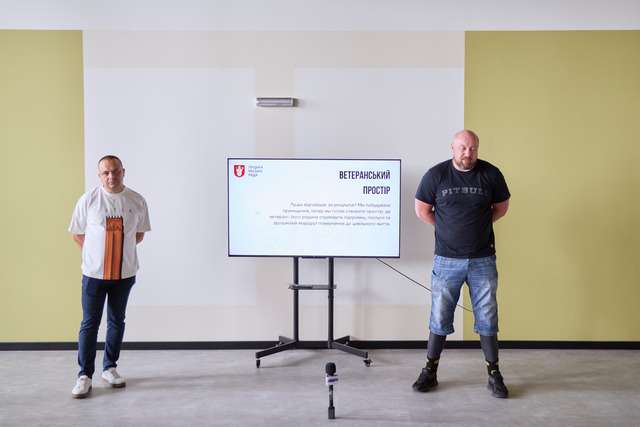
“A veteran returning from the military should not have to figure out resolutions, procedures, and the division of powers between government authorities on their own. That is the task of state administrators, government officials, and local self-government,” emphasized Oleksandr Korniienko.
Special attention was paid to the professional realization of veterans after their return from the military. In particular, the discussion focused on access to state-funded reskilling programs, as well as training in management, administration, and modern technologies for those seeking to apply their military experience in civilian life.