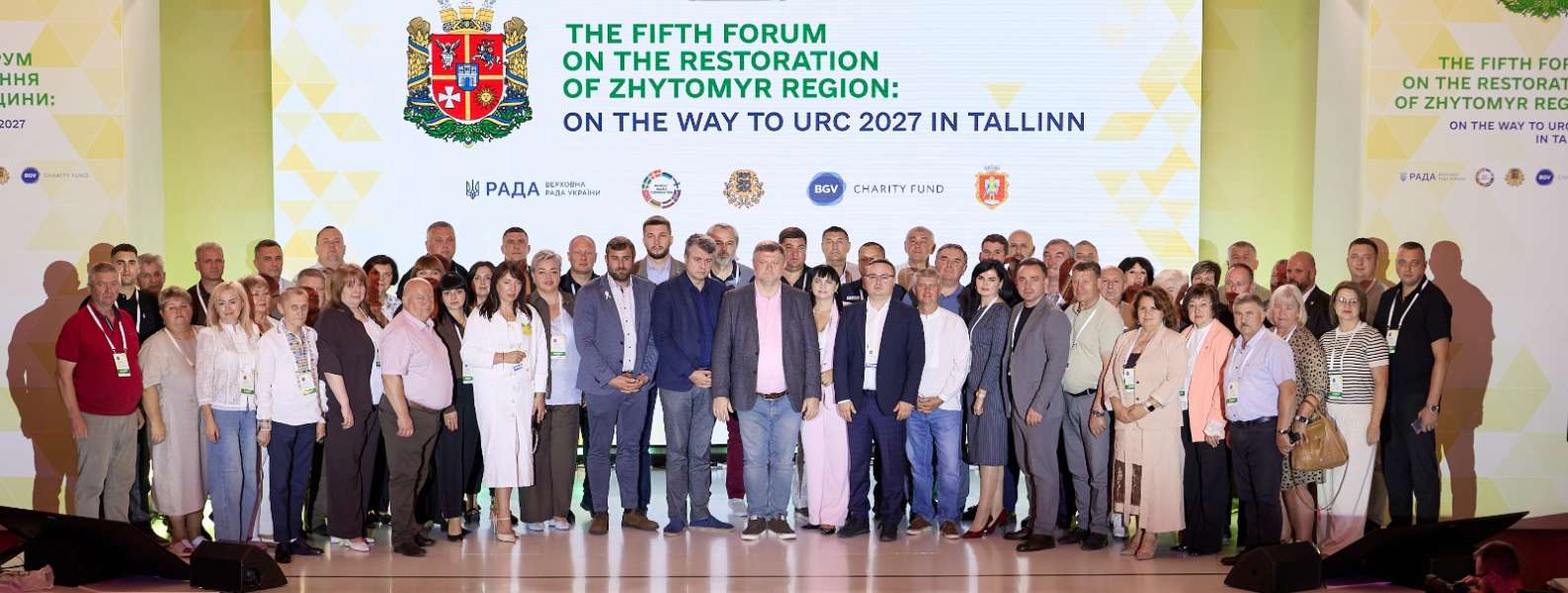
First Deputy Speaker of the Verkhovna Rada of Ukraine Oleksandr Korniyenko paid a working visit to Zhytomyr Region, during which he participated in the “Zhytomyr Region Recovery Forum: On the Way to URC 2027 in Tallinn.”
The First Deputy Speaker emphasized that the recovery of the region must continue even during wartime. This involves not only long-term plans, but also concrete solutions that address the immediate needs of community residents.
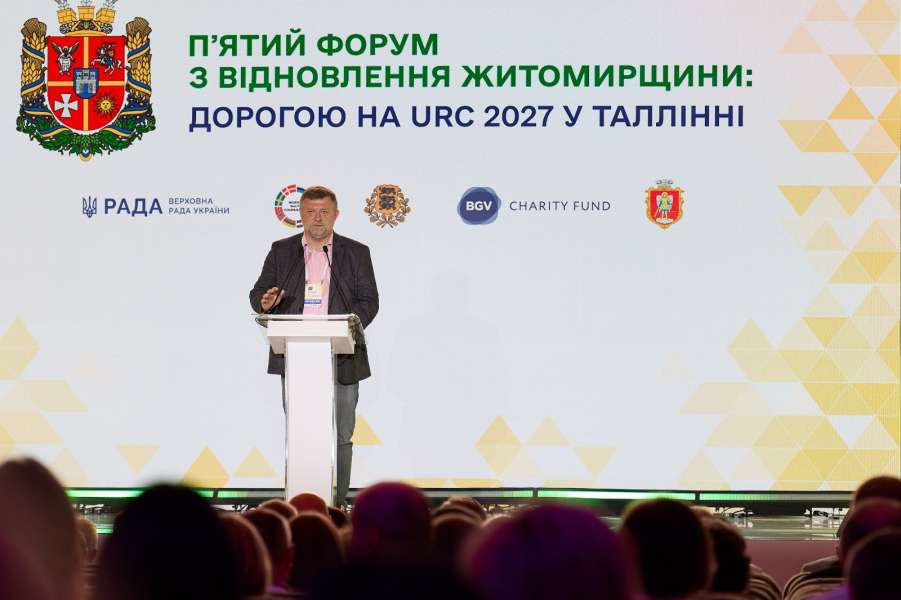
“We cannot postpone recovery until the end of the war, because people need housing, schools, roads, proper infrastructure, and the ability to live and work fully in their communities today. That is why, alongside long-term plans, we are implementing projects that respond to specific needs,” he noted.
According to Oleksandr Korniyenko, Zhytomyr Region already possesses practical recovery experience in cooperation with international partners. Over recent years, the region has worked, in particular, with Estonia, Portugal, Iceland, and Germany. Joint projects encompass the restoration of damaged facilities, community development, housing initiatives for internally displaced persons, and the reconstruction of educational infrastructure.
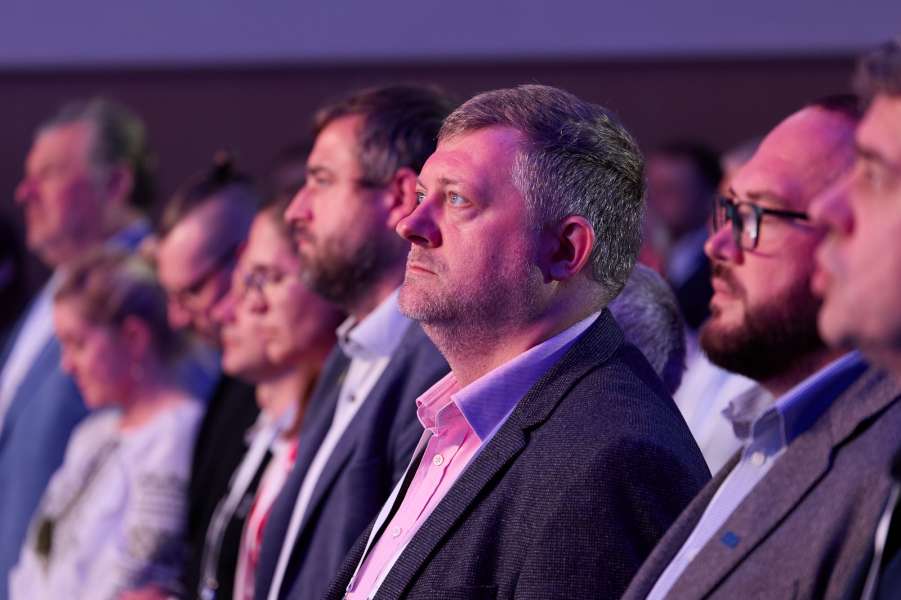
One example of such cooperation is Malyn. The initial joint projects with Estonia addressed urgent infrastructure, notably the restoration of a bridge.
“Now, housing initiatives for internally displaced persons are being implemented, and educational as well as other facilities vital for communities are being restored. Malyn Music School, the reconstruction of which was only discussed a few years ago, is already almost fully restored thanks to the joint efforts of Estonia, Ukraine, and charitable organizations,” said Oleksandr Korniyenko.
At the same time, in his view, further reconstruction requires coordinated efforts from the state, local authorities, territorial communities, business, charitable organizations, and international partners. It is crucial not only to attract aid, but also to direct it toward specific projects needed by local communities.
The next important opportunity to present recovery outcomes and attract new partners will be the Ukraine Recovery Conference (URC 2027) in Tallinn.
“The experience of Zhytomyr Region should be presented there as an example of systemic solutions that are already being implemented during wartime and are focused primarily on the real needs of people, communities, and the economy. We must use the time leading up to the conference to define subsequent projects, engage partners, and turn developed solutions into concrete results,” emphasized the First Deputy Speaker.
During his working visit, Oleksandr Korniyenko also visited a veteran-owned auto repair shop and learned about the activities of its founder, Oleksandr Karpovych.
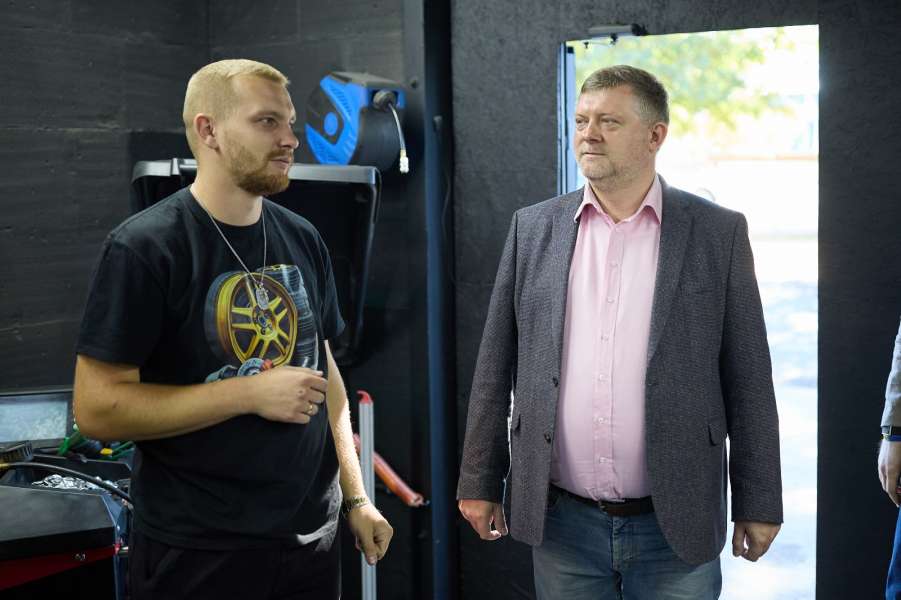
Oleksandr worked with automobiles for many years, and in 2021 he signed a contract with the Armed Forces of Ukraine. He served in the 25th Separate Airborne Brigade, executing combat missions in the Kharkiv and Donetsk sectors, and sustained three injuries. His professional skills proved useful during his service as well: Oleksandr repaired vehicles for his brothers-in-arms and other military personnel.
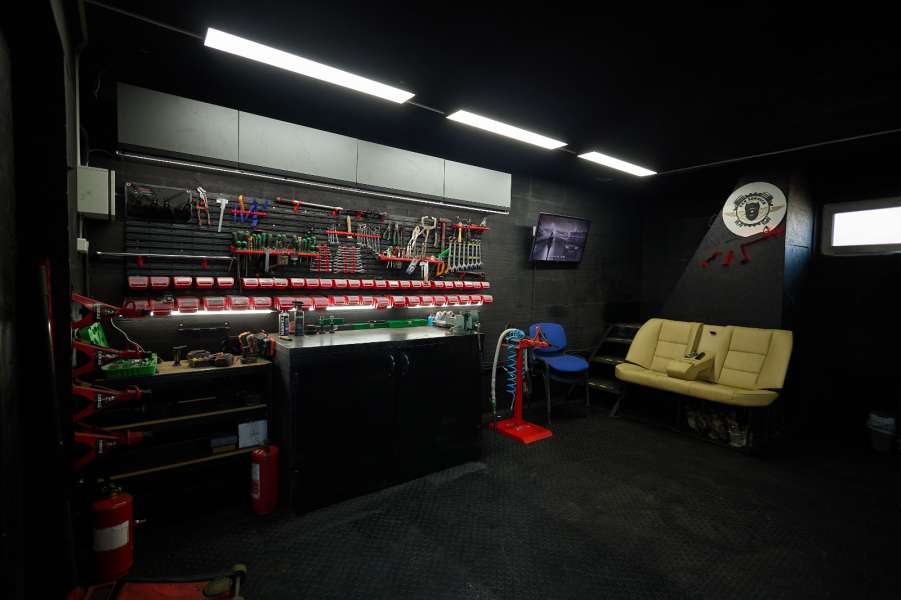
Following rehabilitation and completion of his military service, the veteran returned to his profession as an entrepreneur. Under a grant program from the State Employment Service, he received 500,000 UAH, which he invested primarily in auto repair and tire-fitting equipment. At the same time, he continues to volunteer and support his brothers-in-arms remaining on the frontline.
Oleksandr Korniyenko highlighted the importance of developing veteran entrepreneurship and creating accessible opportunities for veterans to start or expand their own businesses.
“At the state level, we must support veteran entrepreneurship and expand access to grant programs, training, and necessary consultations. Veterans who possess the experience, knowledge, and desire to launch or scale their own business should have effective and accessible tools to do so,” concluded the First Deputy Speaker.