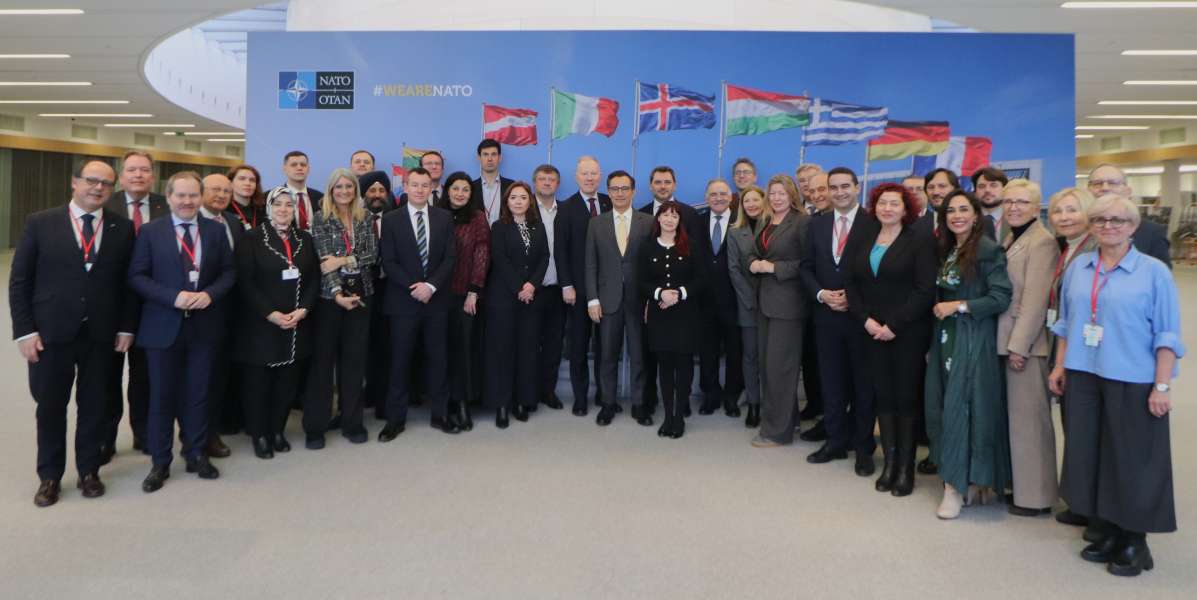
This year's meeting of the NATO-Ukraine Interparliamentary Council (UNIC) delegation at NATO headquarters in Brussels has come to an end. This traditional format of cooperation between the parliaments of Ukraine and NATO countries has existed since 1998 as a working mechanism for discussing issues of cooperation, support and Euro-Atlantic security.
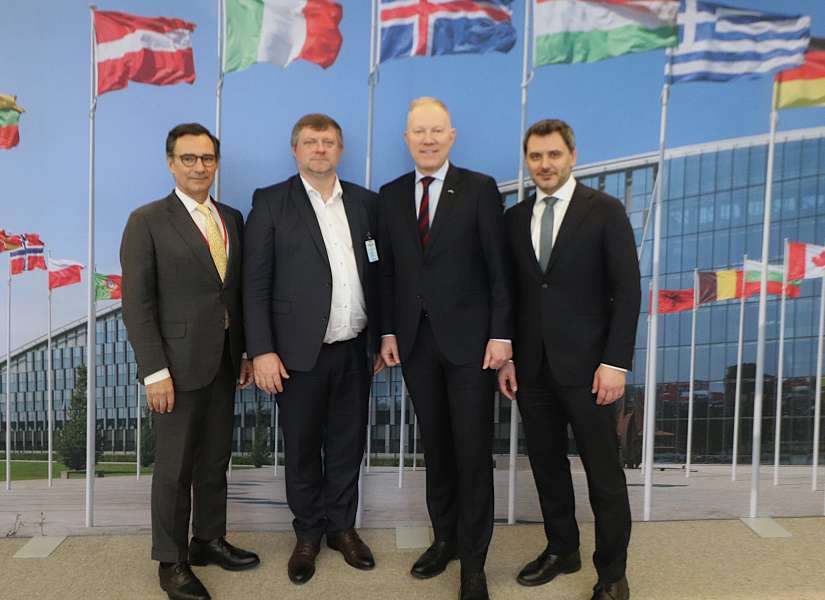
During the visit, a meeting of the Ukraine-NATO Interparliamentary Council (UNIC) was held, co-chaired by the head of the Ukrainian parliamentary delegation, First Deputy Speaker of the Verkhovna Rada of Ukraine Oleksandr Korniienko.
NATO Secretary General Mark Rutte also joined this important interparliamentary event, underscoring the high level of discussions and the significance of the meeting for the security and strategic partnership between Ukraine and NATO.
«During previous sessions, we have repeatedly emphasised that it is the parliamentary dimension that guarantees the stability and irreversibility of decisions in a period of unprecedented security challenges,» said First Deputy Speaker Oleksandr Korniienko. He stressed that moscow is counting on three things: exhaustion, fatigue and the erosion of unity. At the same time, he said, fatigue is a luxury that Ukrainians cannot afford. «Exhaustion is an illusion that we must dispel with our common political will and unity. And this is where the role of parliaments is crucial — to transform political solidarity into stable, predictable and strategic support, protected by laws, budgets and democratic decisions,» said Oleksandr Korniienko.
The important role of national parliaments in transforming political support for the country into concrete results for Ukraine's defence and the security of the entire Euro-Atlantic area was emphasised. Ukraine's priorities include air defence and ammunition, long-term security support, the development of powerful defence industries, sanctions against the aggressor, and the country's Euro-Atlantic perspective.
«The issue of air defence is critical. The PURL initiative is key to strengthening Ukraine’s air defence: in 2026, US$12–16 billion will need to be mobilised to implement it. Air defence systems that remain in storage do not strengthen the Alliance's security — they begin to protect the Euro-Atlantic area when they stop russian missiles and drones over Ukraine,» said First Deputy Speaker of the Verkhovna Rada of Ukraine Oleksandr Korniienko.
During the meeting of the Ukraine-NATO Interparliamentary Council, Marko Mihkelson, a member of the Estonian delegation to the NATO PA, was re-elected as co-chair of the UNIC. «I am confident that together we will be able to continue our effective cooperation and reach the necessary decisions,» said the First Deputy Speaker.
During the meeting, representatives of the Ukrainian parliamentary delegation also raised the issue of Ukraine's membership in the Alliance. Ivanna Klympush-Tsyntsadze, Chair of the Committee on Ukraine's Integration into the EU, noted that this issue should remain on the agenda and cannot be decided by anyone outside Ukraine and NATO members.
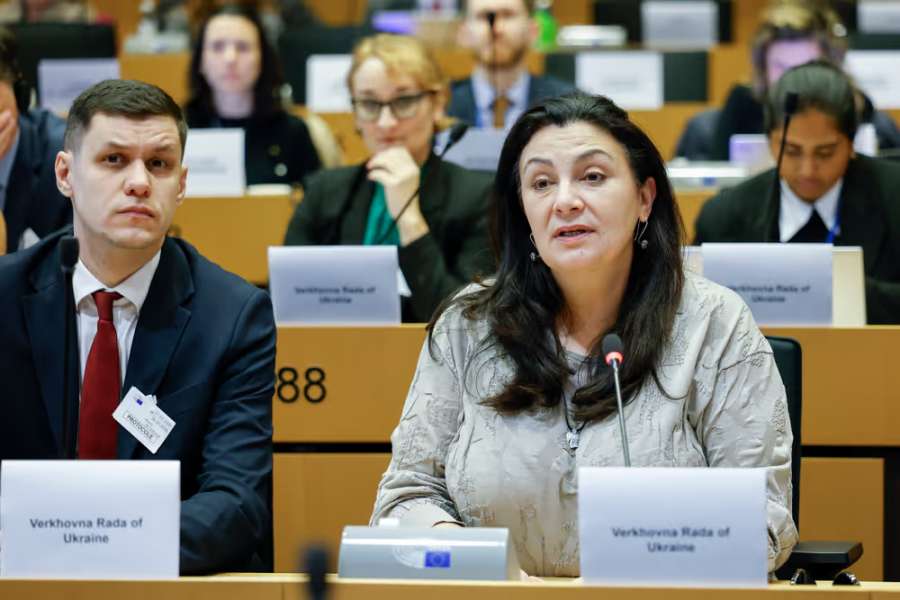
«A large number of delegations from various member countries of the Alliance took part in this event, which also demonstrates that this platform is currently important for our colleagues from the parliaments of NATO countries. They want to express their support for Ukraine, but at the same time hear first-hand information on how to move forward and what to insist on in relevant discussions with their governments,» Ivanna Klympush-Tsyntsadze emphasised.
Particular attention was paid in Brussels to the discussion of security guarantees for Ukraine.
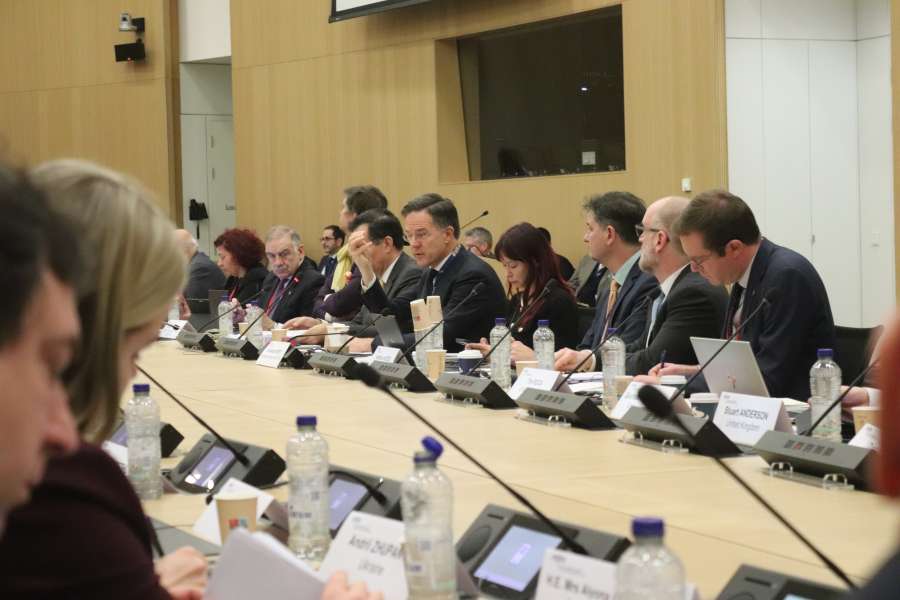
During a meeting of the US Committee on Defence (UNIC) at NATO headquarters, NATO Secretary General Mark Rutte emphasised that «Parliamentarians are crucial to ensuring Alliance support for Ukraine, supporting security assistance, replenishing stocks, strengthening air defence and ensuring a strong financial and industrial base across the Alliance.»
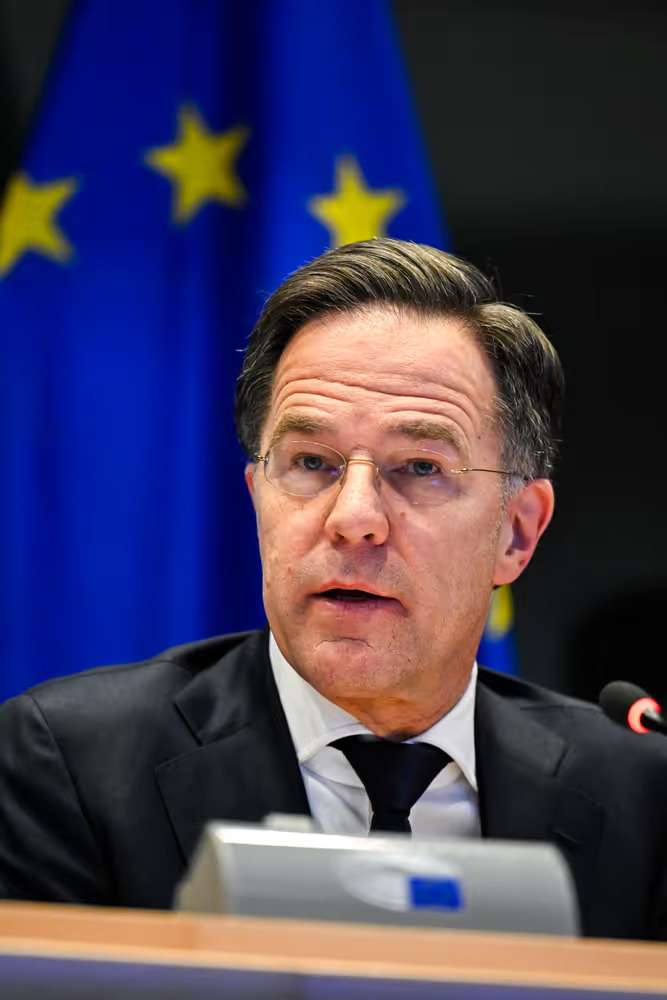
The Ukrainian parliamentary delegation held separate meetings with the NATO Secretary General, as well as with ambassadors and military representatives of the Alliance countries.
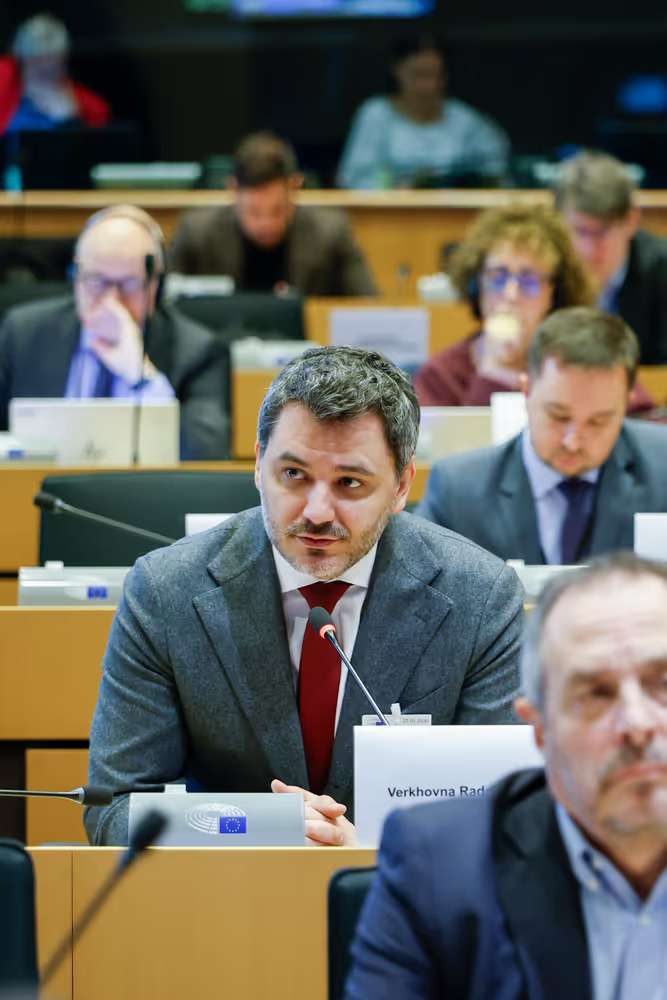
NATO does not object to Alliance member countries sending their troops to Ukraine as part of security guarantees. This was stated by the head of the Ukrainian delegation to the NATO Parliamentary Assembly, Yegor Cherniev. «In particular, this was discussed with Secretary General Mark Rutte during a meeting of the Ukraine-NATO Interparliamentary Council at the Alliance headquarters. This is good news for us, as it shows that NATO can provide rear support for a possible peacekeeping contingent of Western states in Ukraine. Of course, this would be subject to the consent of the United States, which we are currently working on. Mark Rutte also assured us that NATO has supported Ukraine, supports it now, and will continue to support it no matter what,» Yehor Cherniev summed up.
The meetings of the Ukrainian parliamentary delegation at NATO headquarters provided an opportunity to raise key security issues, current military realities, energy challenges, and the link between meeting EU criteria and moving closer to NATO membership.
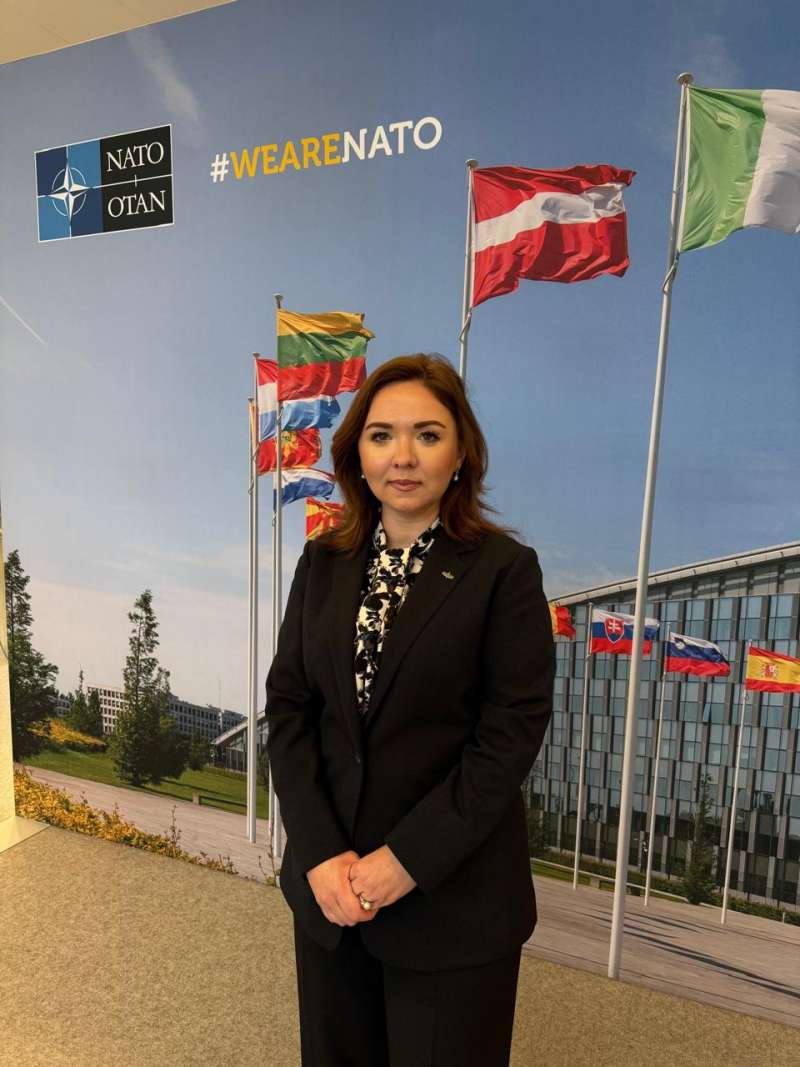
«Ukraine's fulfilment of 63 out of 68 criteria for rapprochement with the EU also brings us closer to the criteria for membership in the Alliance,» said Halyna Mykhailiuk, a member of the delegation, deputy chair of the Committee on Law Enforcement, and representative of the President in the Verkhovna Rada of Ukraine, adding that, according to NATO representatives, Ukraine's European integration efforts have a positive impact on our country's Euro-Atlantic track.
According to Halyna Mykhailiuk, personal communication between the Ukrainian side and representatives of NATO headquarters, as well as with deputies of Alliance member states, was important for parliamentary coordination and exchange of experience. She expressed hope that the daily work of MPs, the Government and the Office of the President would ultimately lead Ukraine to full membership in the EU and NATO.
Today, the support of partner countries determines how effectively Ukraine can withstand humanitarian and security challenges in the context of russia's war against our state.
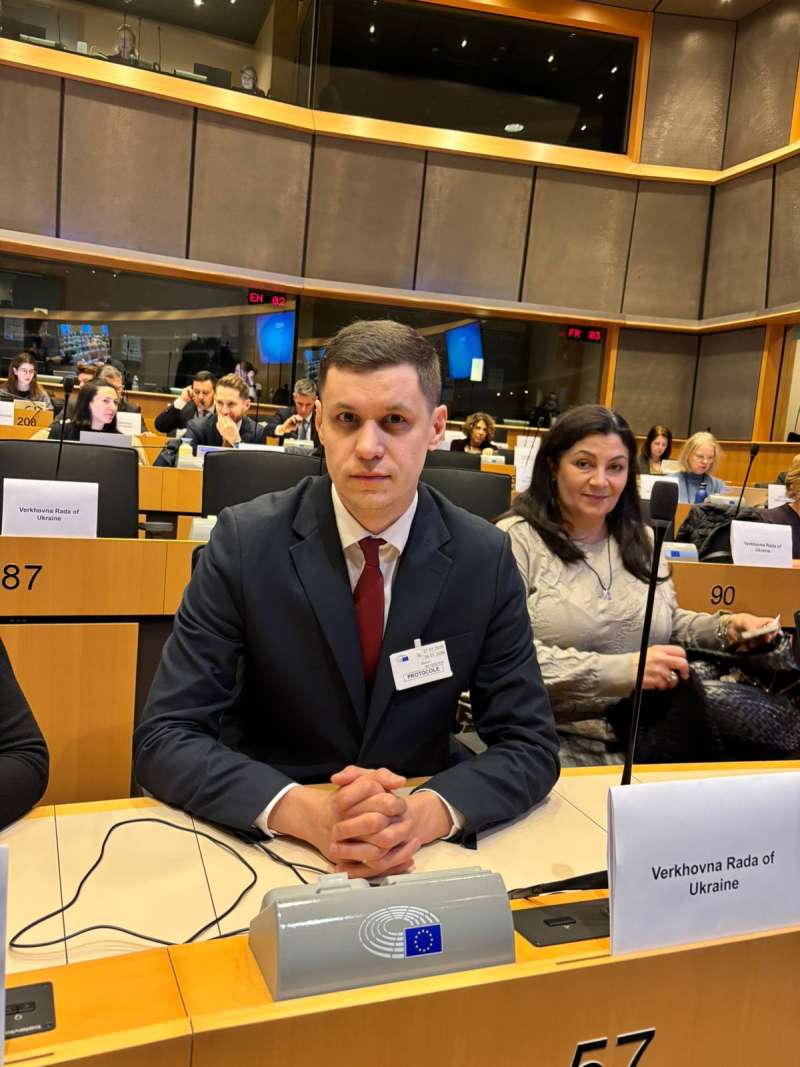
During his speech at a meeting of the European Parliament's Committee on Defence, Roman Hryshchuk, a member of the delegation and a member of the Committee on Education, Science and Innovation, stressed that Ukraine is already facing a real humanitarian crisis, not just a potential one. According to him, due to russia's constant attacks on energy facilities, Kyiv, the capital of a European state, is effectively freezing: the left bank of the city does not have a stable heat supply, more than half a million residents are left without heating, and a significant number of residential buildings have been without electricity for a long time. He warned that with the forecast frosts and the lack of water and electricity supplies, life in the city will become seriously difficult.
Roman Hryshchuk emphasised that Ukraine's key requests remain the strengthening of air defence to protect energy infrastructure, continued support with generators, and assistance from emergency repair crews from European municipalities. He also thanked partners for their past and future support for Ukraine.
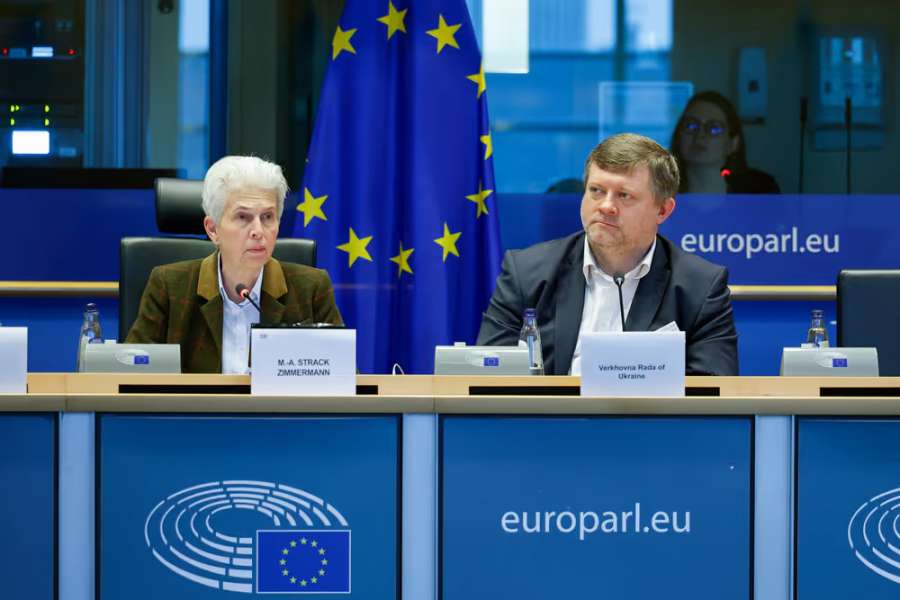
The Chair of the European Parliament's Committee on Security and Defence (SEDE), Marie-Agnes Strack-Zimmermann, confirmed her unwavering support for Ukraine, noting that strengthening Ukraine's own defence and maintaining and continuing military support for Ukraine are key priorities for the subcommittee.
«This is not just about the war in Ukraine: geopolitical lines of confrontation are expanding, and hybrid warfare and technologically advanced methods are posing new threats both within Europe and in terms of the changing nature of warfare. It is therefore imperative to strengthen European defence in order to guarantee the security of the EU and its citizens. In this context, our Committee is ready to play its role to the full, in particular through legislative proposals,» emphasised Marie-Agnes Strack-Zimmermann.
The Verkhovna Rada of Ukraine expresses its gratitude to the parliaments of the EU and NATO countries for their willingness to strengthen coordinated, long-term and practical support for Ukraine as a key factor in the security of the entire Euro-Atlantic area.