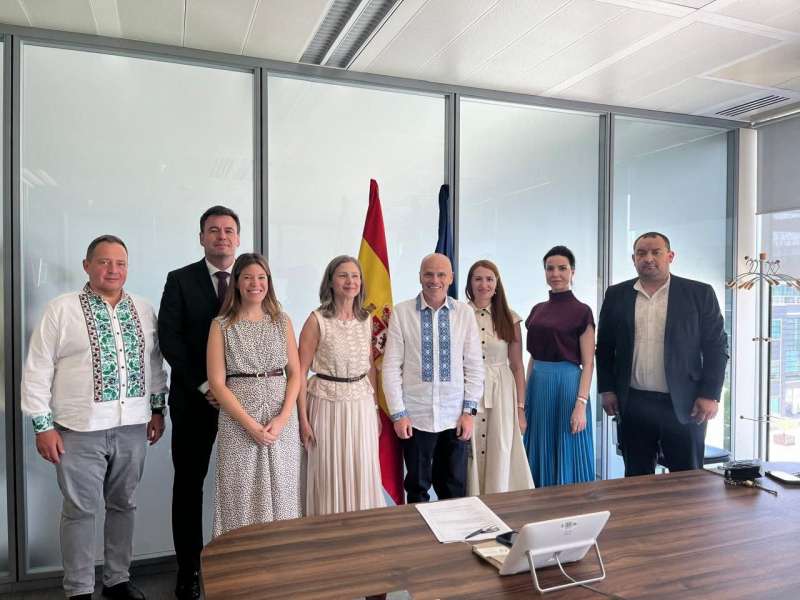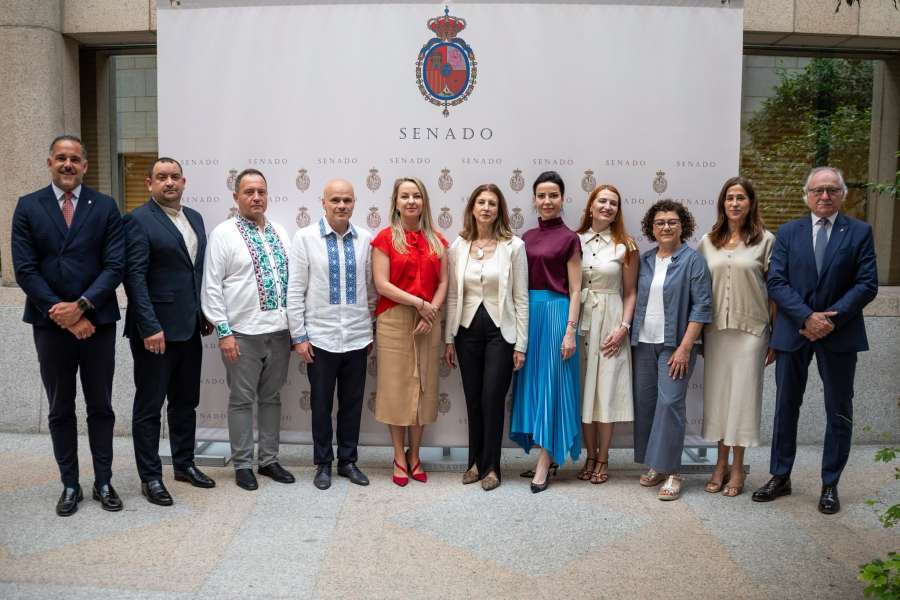
The European Integration of healthcare, military medicine, medical evacuation and artificial intelligence were discussed by the Delegation members of the Verkhovna Rada's Committee on National Health, and by the Spanish colleagues, during their working visit to the Kingdom of Spain.
The Ukrainian delegation held a series of meetings with representatives of the Spanish Parliament and specialized state institutions.
During a meeting with María del Mar San Martín Ibarra, Chair of the Health Committee of the Spanish Senate, and members of the committee, the delegation discussed cooperation under the MEDEVAC program, through which more than 6,400 Ukrainians have already received medical assistance in EU countries, including Spain.
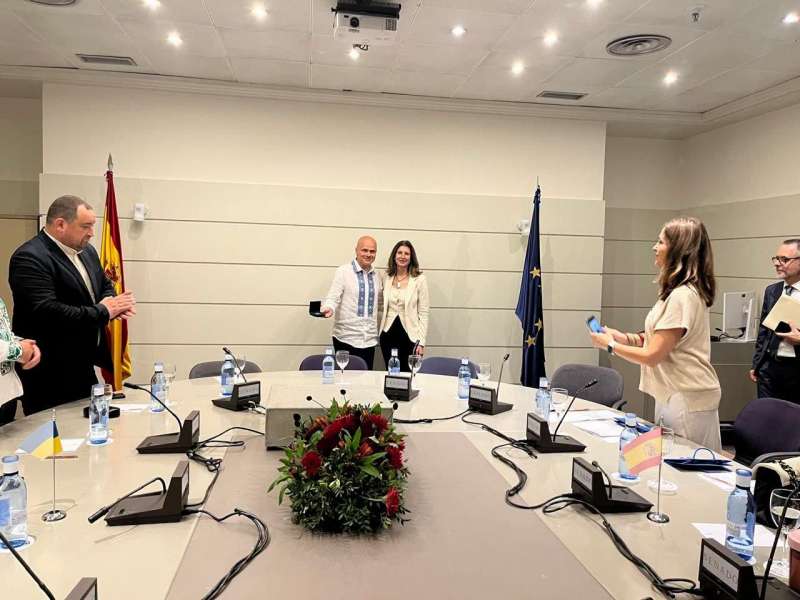
Specifically, under First Lady Olena Zelenska’s medical partnership initiative, agreements are already active between the Volyn Regional Territorial Medical Association for Maternal and Child Health and the Hospital Universitario La Paz, as well as between the 'Okhmatdyt' National Specialized Children's Hospital and the Hospital Infantil Universitario Niño Jesús. These partnerships facilitate the exchange of expertise and advanced treatment protocols. Both Ukraine and Spain are interested in involving new hospitals in this initiative.
The participants of the meetings paid special attention to the European integration of the Ukrainian healthcare system, the creation of the Ukrainian Pharmaceutical Agency, and the transposition of EU legislation. Their Spanish counterparts reaffirmed their readiness to continue providing expert support to Ukraine on its path toward integration into the European healthcare space.
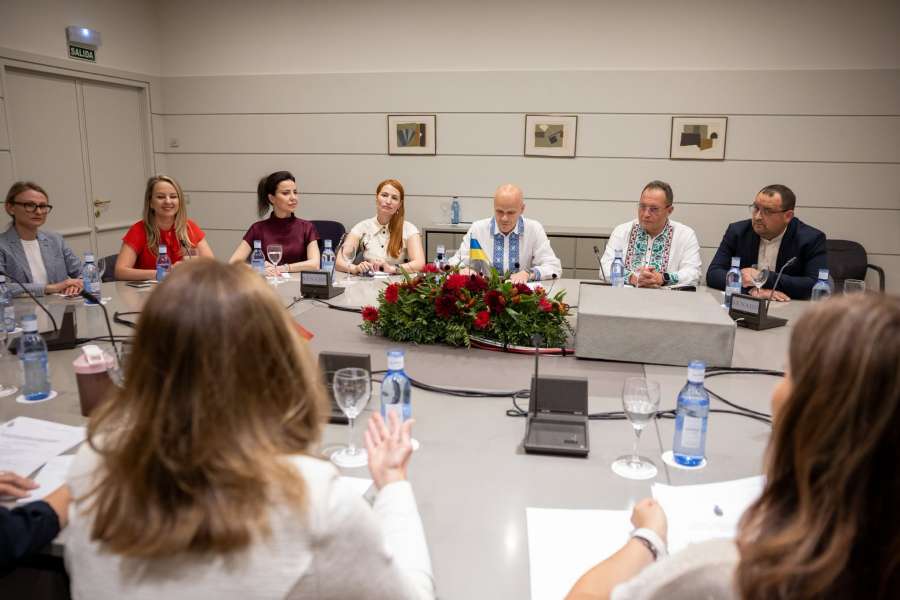
During a meeting with Agustín Santos Maraver, Chair of the Health Committee of the Spanish Congress of Deputies, the parties discussed the resilience of the healthcare system in times of war. The representatives of the Verkhovna Rada of Ukraine shared Ukraine's experience regarding hospital operations under fire, medical evacuation, and ensuring the continuity of care. They emphasized that Ukraine is currently effectively testing the resilience of its healthcare system under wartime conditions, and this experience could prove invaluable for developing the resilience of healthcare systems in other countries.
The parties also held dedicated discussions on the digitalization of healthcare and the use of artificial intelligence in the medical sector. They reviewed the Madrid Action Plan for the Responsible Scaling of AI in Health (2026)—an international framework for the responsible implementation of AI in medicine. For Ukraine, this topic is particularly relevant given that, according to the Committee Chair, the country possesses one of the most digitalized healthcare systems in Europe and is actively preparing for integration into the European Health Data Space (EHDS).
A significant part of the itinerary included a meeting with María Jesús Lamas Díaz, Director of the Spanish Agency of Medicines and Medical Devices. The Ukrainian delegation presented the potential of Ukraine's pharmaceutical industry, provided updates on the establishment of the Ukrainian Pharmaceutical Agency with partner support, outlined the harmonization of Ukrainian pharmaceutical legislation with EU standards, and discussed prospects for deepening cooperation between Ukrainian and European regulators. Special attention was paid to opportunities for joint efforts in the production of critical medicines and ensuring Europe’s overall pharmaceutical security.
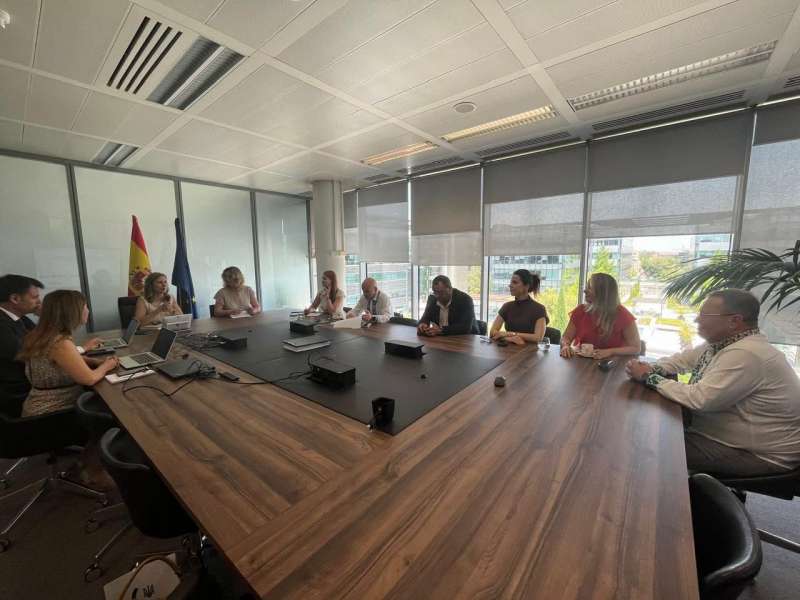
The Committee Chair, Mykhailo Radutskyi, highlighted the results of past cooperation with Spanish parliamentarians. He noted that during a previous visit to Madrid, he and Rosa María Romero Sánchez, who currently serves in the Spanish Senate, discussed providing Ukrainian cancer patients with critical medicines. According to him, following these efforts, Spain delivered a shipment of chemotherapy drugs to Ukraine, ensuring the continuity of treatment for patients during the most challenging period of the war. He emphasized that this example proves that inter-parliamentary cooperation yields not only political results but also tangible assistance that saves lives.
Mykhailo Radutskyi expressed his gratitude to the Kingdom of Spain for its unwavering support of Ukraine, the total volume of which exceeds €5 billion. He also noted the importance of this aid, which spans not only the military and humanitarian spheres but also healthcare development, the training of medical personnel, and support for reforms on Ukraine's path toward EU membership.
In addition to the Committee Chair, the delegation included People's Deputies and members of the Committee on National Health: Olha Stefanishyna, Oksana Dmytriieva, Maksym Perebyinis, and Serhiy Kuzminykh, as well as the Ambassador of Ukraine to Spain, Yuliya Sokolovska.