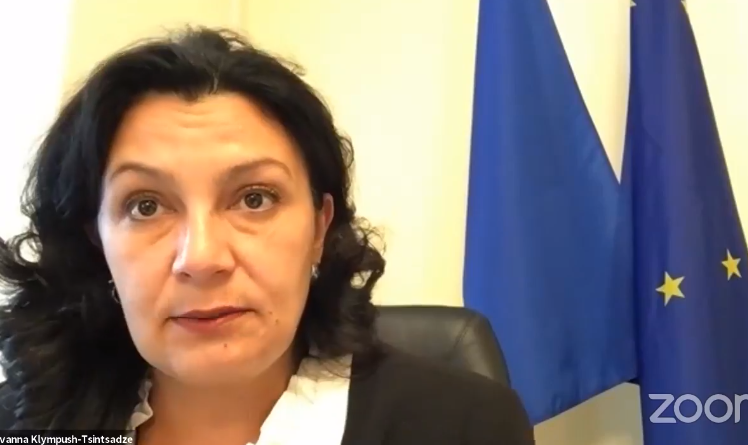
“The European Green Agreement is a new action plan of the European Union, which aims to combat climate changes and environmental challenges. The goal is a climate-neutral Europe by 2050,” said Ivanna Klympush-Tsintsadze.
The first panel of hearings “European Green Deal: Tasks, Opportunities, Challenges for Ukraine” was attended by Viola von Cramon-Taubadel, Member of the European Parliament, Olha Stefanishyna, Deputy Prime Minister for European and Euro-Atlantic Integration of Ukraine, Matti Maasikas, Ambassador of the European Union, Head of the EU Delegation to Ukraine, Janez Kopac, Director of the Energy Community Secretariat, Roman Abramovsky, Minister of Environmental Protection and Natural Resources of Ukraine, Olena Pavlenko, President of the Dixi Group Analytical Centre, representatives of other authorities and experts.
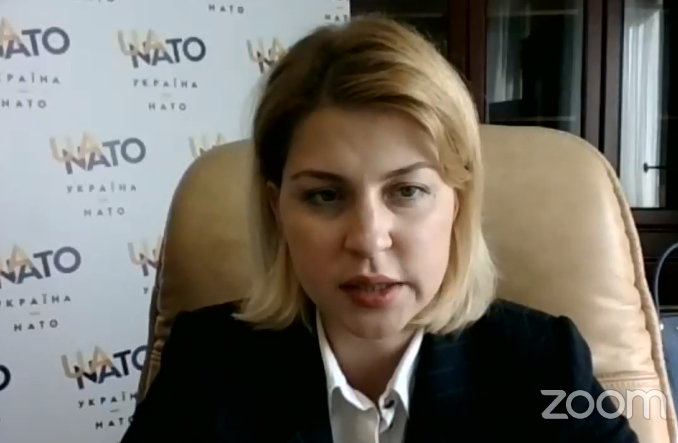
Deputy Prime Minister for European and Euro-Atlantic Integration of Ukraine Olga Stefanishina stressed that the green course provides for dialogue and cannot take place within the European Union without the involvement of Ukraine.
“This is a bilateral process in which Ukraine must share the ambitious agenda of the European Union, but the EU should take into account the obligations of our country under the Association Agreement in policy-making in the context of the European Green Agreement. As part of the dialogue, a Roadmap will be developed and we will start its implementation after coordination with the EU,” said Olga Stefanishina.
The participants of the hearings discussed problems and directions of work in key areas, in particular in the field of energy, ecology, industrial and agricultural sectors, transport.
Experts stressed the importance of reducing greenhouse gas emissions, reforming the coal industry, increasing the role of alternative energy sources, developing sustainable and environmentally friendly transport, opportunities for integrating Ukrainian industries into new industrial processes in the EU and creating new economic opportunities for implementing the European Green Course.
“It is extremely important for us to continue the multi-level sectoral dialogue with representatives of relevant committees, public authorities, business, and public expert organizations,” Ivanna Klympush-Tsintsadze summed up.