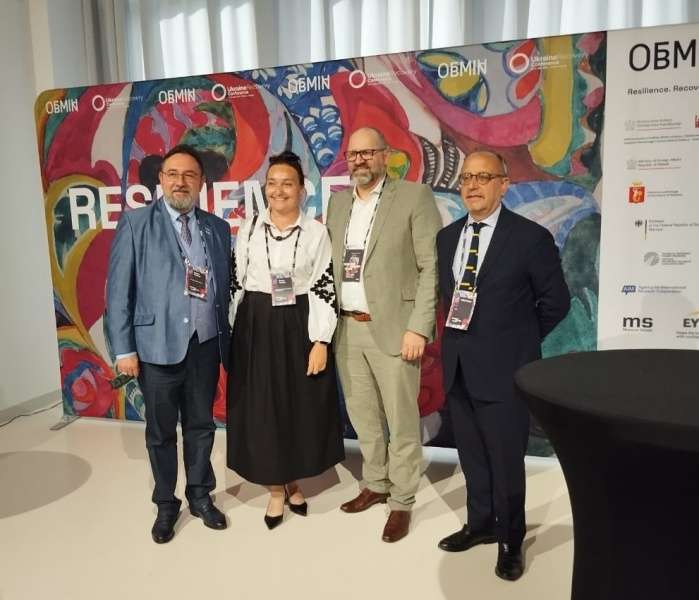
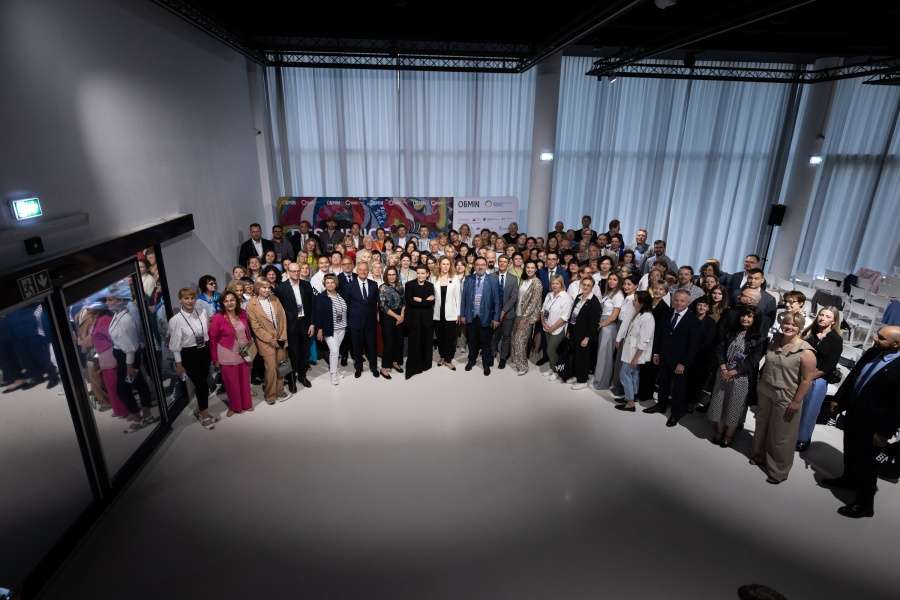
On June 26, Committee Chairman Mykyta Poturaiev took part in the conference in Warsaw titled «Resilience. Recovery. Future: Culture in Ukraine’s Recovery.» The Member of Parliament delivered a welcome address and spoke as a panelist in Panel 3: «Culture as Part of the National Security System.»
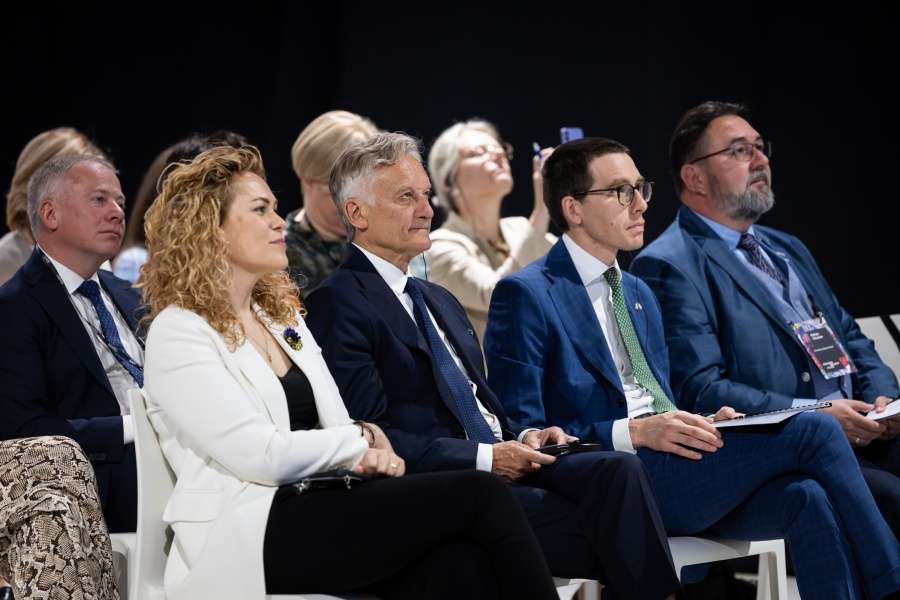
The event, held on June 26–27, brought together representatives of the governments of Poland and Germany, diplomats, heads of leading Ukrainian cultural institutions, European museum professionals, and researchers to discuss the current state, challenges, and prospects of museum development in the context of russia’s full-scale aggression.
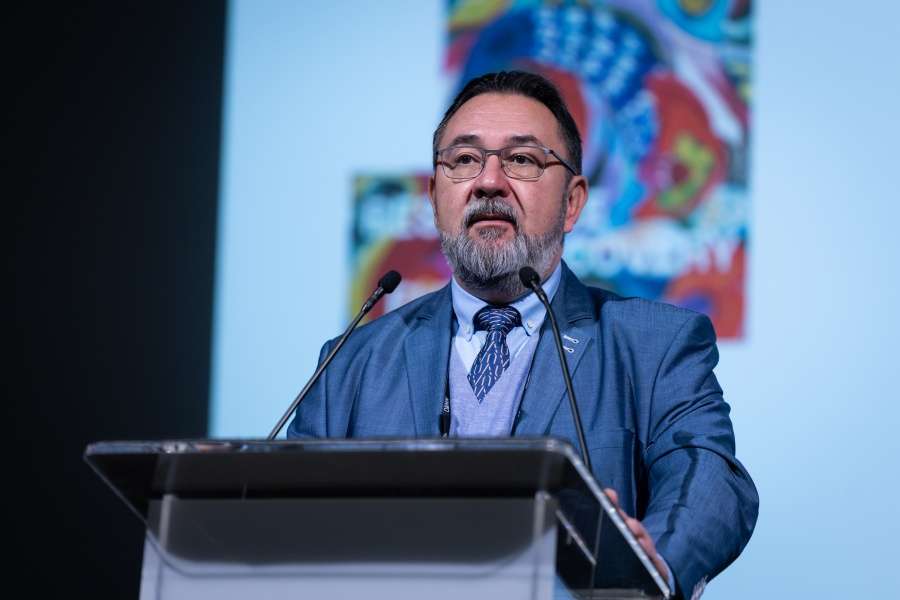
Opening the conference, Committee Chairman Mykyta Poturaiev stated: «Culture inspires victory and helps endure the horrors.»

Polish representatives reaffirmed their solidarity with Ukraine. Deputy Minister of Foreign Affairs of Poland Marek Prawda emphasized that the event is a response to Ukraine’s call — to prevent the world from forgetting its struggle. «Ukraine is fighting not only for its sovereignty but also for the preservation of its cultural heritage. Its culture is an integral part of the European cultural mosaic,» he said.
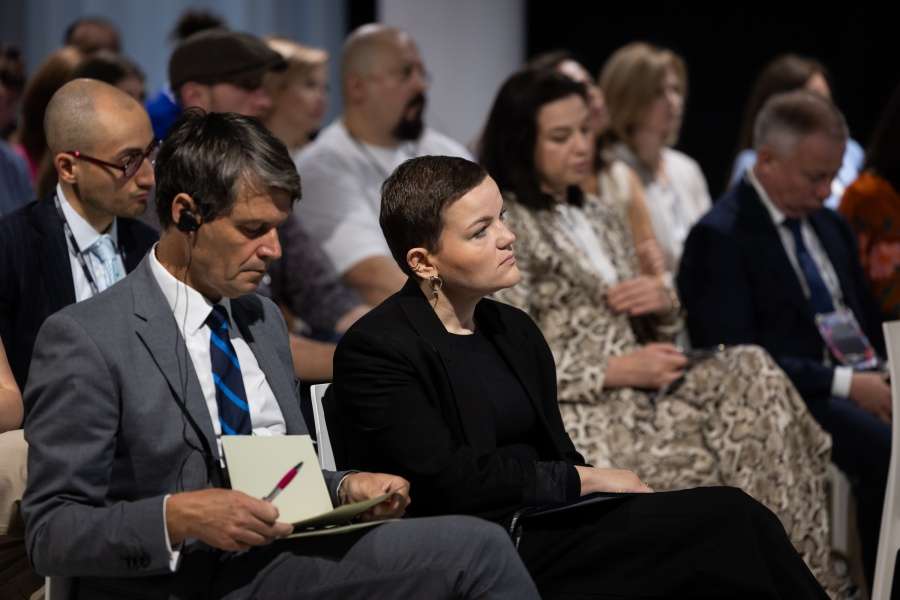
Marta Cienkowska, representing Poland’s Ministry of Culture and National Heritage, also expressed her support. She highlighted that the ministry is actively assisting Ukraine in protecting cultural assets: «We are engaged in many initiatives, including helping safeguard museum collections and creating digital archives. Because culture is inseparable from resilience, recovery, and the future.»
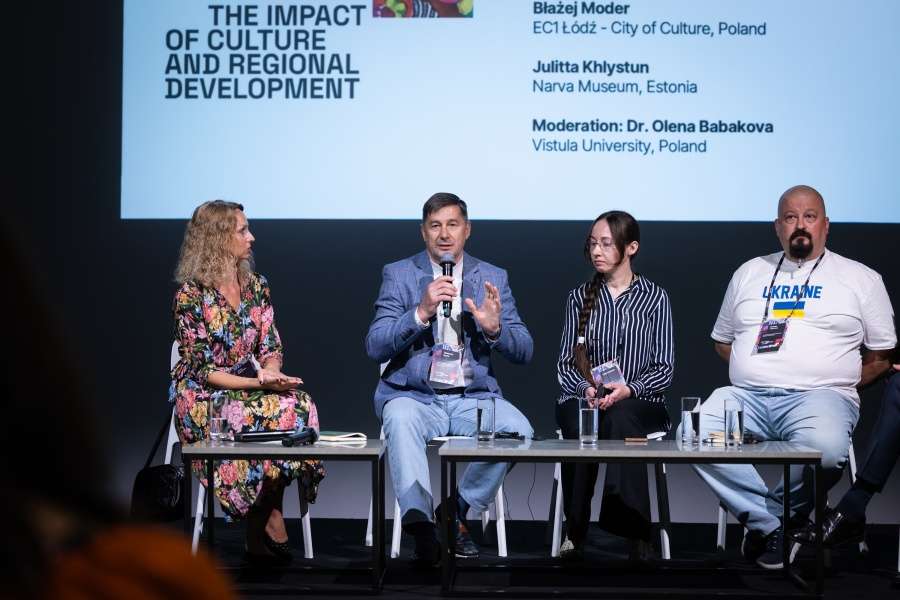
Since the beginning of russia’s full-scale invasion in 2022, Ukrainian museums have come under direct threat — from physical destruction, looting, and loss of collections to the erosion of cultural identity. Despite these extraordinary challenges, the Ukrainian museum community continues to demonstrate remarkable adaptability, international cooperation, and progress in digital transformation.
The conference addressed several key topics:
— the role of culture in Ukraine’s resilience system;
— bringing Ukrainians home: how culture and heritage stimulate remigration and more;
— the link between cultural heritage and national security;
— museums as laboratories for new narratives and tools against disinformation;
— «Three Years On»: what museums can do better.
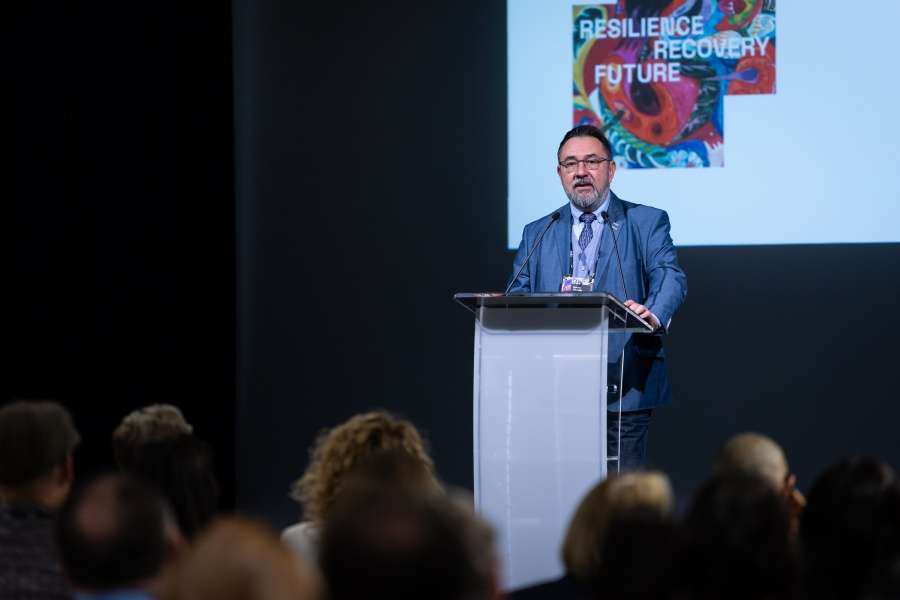
During his speech, Chairman of the Committee Mykyta Poturaiev recalled the offsite meeting of the Committee held in Yahidne, Chernihiv region.

Eyewitnesses of the occupation — local residents who had been held captive — spoke of russia’s practices of cultural genocide. Ukrainian books were seen as enemies by the russian army: they were burned, used as toilet paper, or replaced with russian propaganda materials. However, to the occupiers’ dismay, the effect was often the opposite — it was komsomolskaya pravda that ended up being used as toilet paper, while the walls were inscribed with the Ukrainian national anthem. Overall, Ukrainian culture became a source of strength and resilience for those imprisoned in inhumane conditions.
Moreover, it is no secret that Poland and several other countries bordering russia are currently preparing for the potential evacuation of their most valuable museum exhibits abroad in case of a russian invasion. In this context, Chairman Mykyta Poturaiev expressed hope that the rashists would not reach neighboring countries, but admitted he could not be certain of that.
The Chairman thanked the European community for its continued support and cooperation, including in the museum sector. Stefan Rössel, Deputy Director-General for Culture and Society at the German Federal Foreign Office, commended the work of Ukrainian museum professionals: «I am deeply impressed by the resilience shown by Ukrainian museum workers in these extremely difficult times.» Mr. Rössel emphasized that this conference marks an important step on the road to the upcoming forum in Rome, which will be dedicated to Ukraine’s recovery. According to him, support for Ukraine’s cultural heritage remains a priority for Germany.
OBMIN was established in the summer of 2022 as a platform for Ukrainian museums, and formally registered as a foundation in Warsaw in December 2022.
Today, the platform represents 143 museums from across Ukraine — from large and well-known institutions such as the Maidan Museum or the National Museum of the Second World War, to smaller regional and local history museums.