"Parliamentary Dialogue": Ruslan Stefanchuk Sums Up Initial Results of Nationwide Discussion on New Civil Code of Ukraine
09 October 2026, 12:17
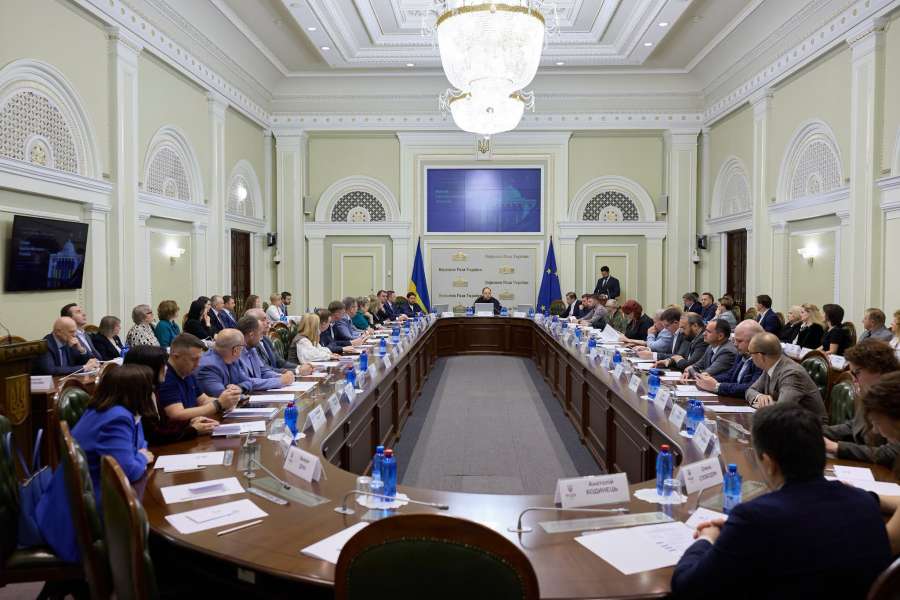
The nationwide tour of the Chairman of the Verkhovna Rada of Ukraine Ruslan Stefanchuk, “Parliamentary dialogue”, dedicated to the future civil legislation of Ukraine, lasted for over three weeks.
Nearly 2500 participants joined the open discussions including educators, military personnel, lawyers, farmers and agricultural producers, representatives of religious organisations, and other professional and civic circles.
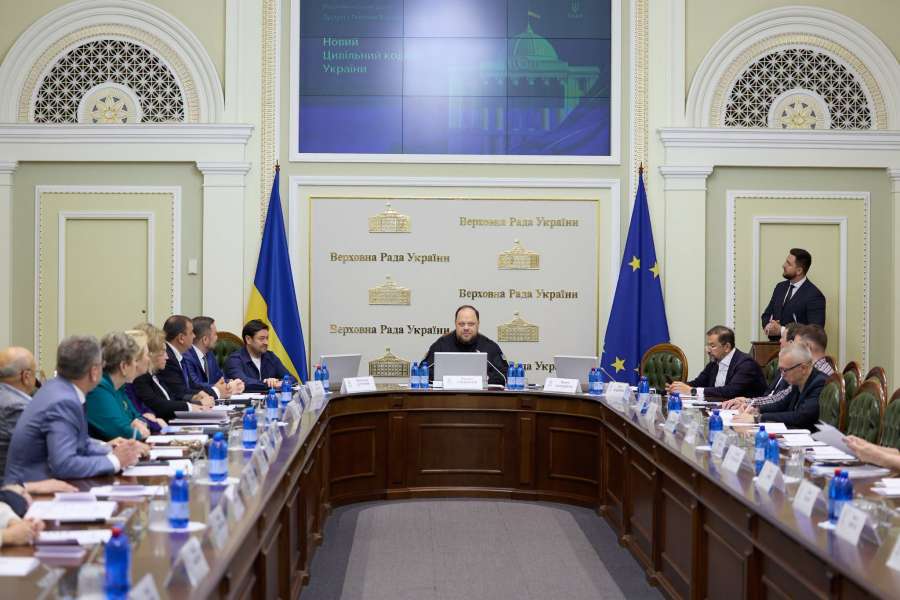
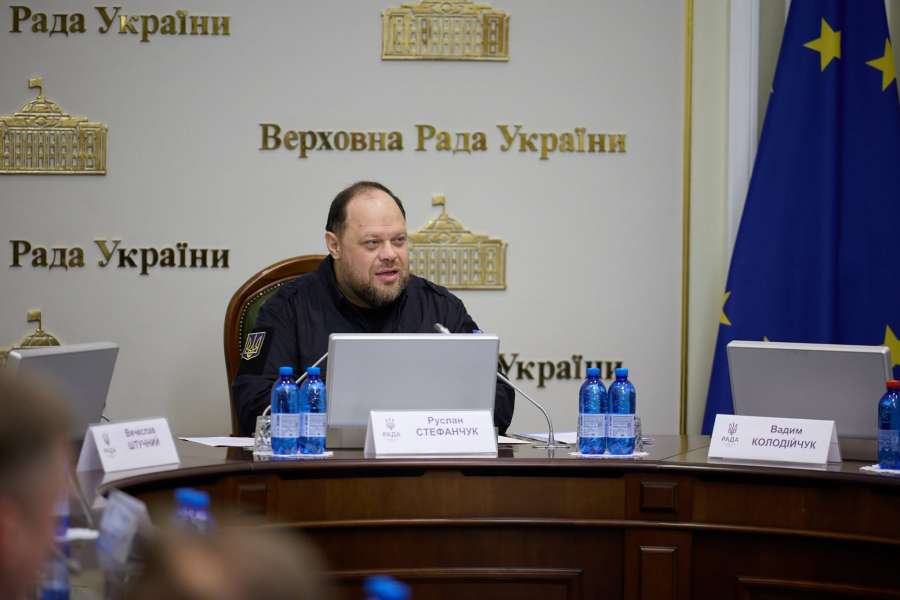
Summing up the initial results of the "Parliamentary dialogue” at a roundtable in Kyiv, “The New Civil Code of Ukraine: Rules of Life After the War,” Ruslan Stefanchuk emphasized that even in conditions of war, Ukraine must consider the rules by which it will live after it ends. That is why it was important to hold the discussion as publicly as possible – explaining proposed approaches, answering the questions, and hearing the criticism.
“We are working on a document that will set the rules governing the private lives of Ukrainians for the next decades. That is why such rules must respond to the real needs of people, rather than theoretical concepts of law,” emphasized the Chairman of the Verkhovna Rada of Ukraine.
The Civil Code establishes the rules governing contracts, property rights, entrepreneurship, liability, and other civil law relations that directly impact economic life and trust among citizens, business, and the state.
Roundtable participants discussed the need to update legislation to reflect the development of the digital economy, the emergence of new forms of civil relations, European legal approaches, and Ukraine’s wartime experience. Special attention was paid to human rights and the mechanisms for their protection amid rapid technological change.
Following the meeting, the parties agreed to continue their joint work with the participation of Verkhovna Rada committees, the Supreme Court, and the Ministry of Justice of Ukraine.
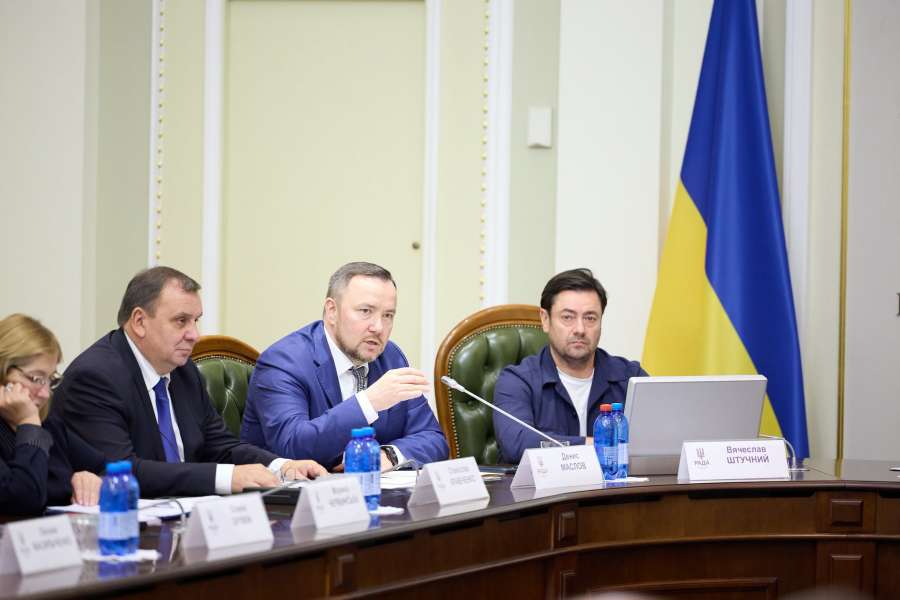
"For the Ministry of Justice, this reform also holds special significance. The proposed model of the Civil Code introduces a number of novel legal instruments whose direct implementation will directly affect our sphere of competence. I am convinced that the high level of cooperation among members of the working group, the Parliament, executive branch representatives, the academic community, and the judiciary will ultimately ensure the successful refinement, passage, and implementation of the new Civil Code," emphasized Minister of Justice of Ukraine Denys Maslov.
Ruslan Stefanchuk stressed that all proposals and comments generated during the “Parliamentary Dialogue” will be processed jointly with the working group. The next phase will involve consultations with professional circles, including lawyers, judges, and notaries, as well as People's Deputies of Ukraine and parliamentary committees.