Interparliamentary Cooperation, Investments, And Development of Local Communities: the "Carpathian Eight" Summit Takes Place
21 September 2026, 15:23
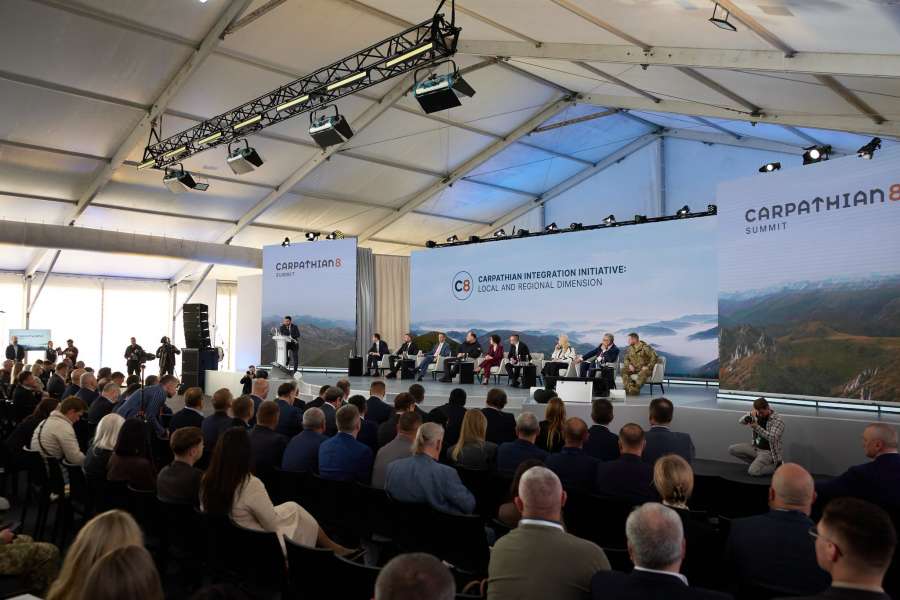
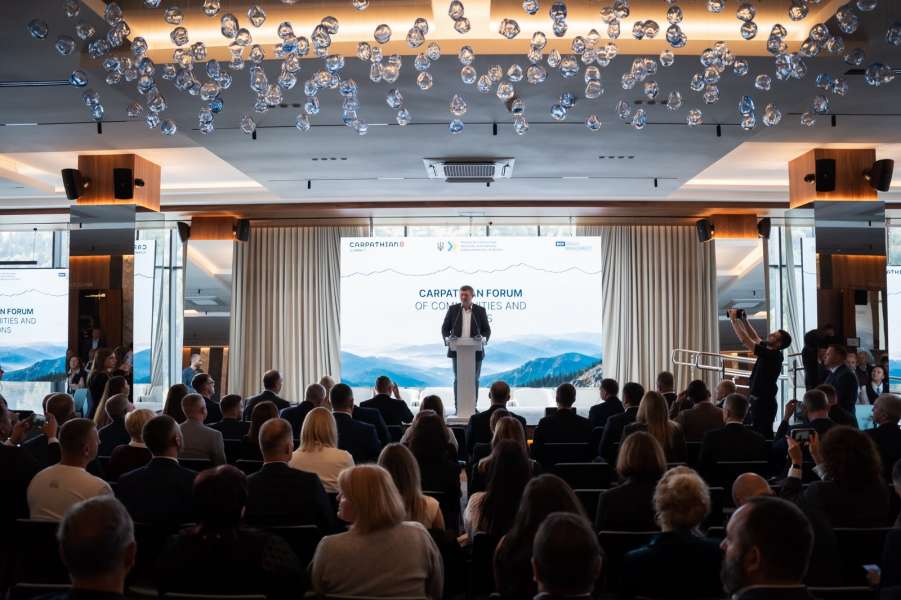
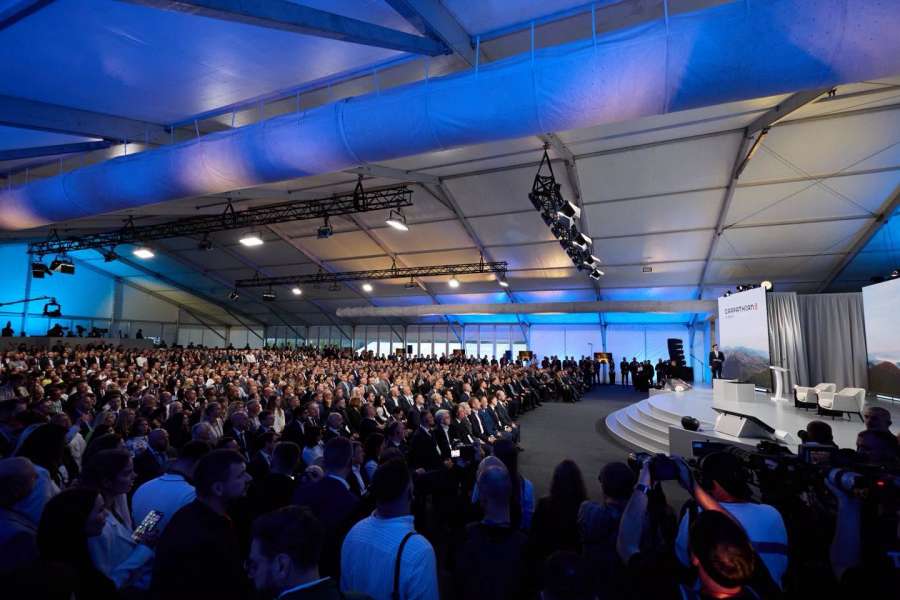
The leadership of the Verkhovna Rada of Ukraine took part in the “Carpathian Eight” (C8) Summit –– a new regional initiative that unites eight countries of the Carpathian region, EU institutions, international partners, local communities, and businesses.
The aim of the initiative is to change political dialogue into practical cooperation and to realise joint projects in the security field, economic development, investments, and transborder partnership.
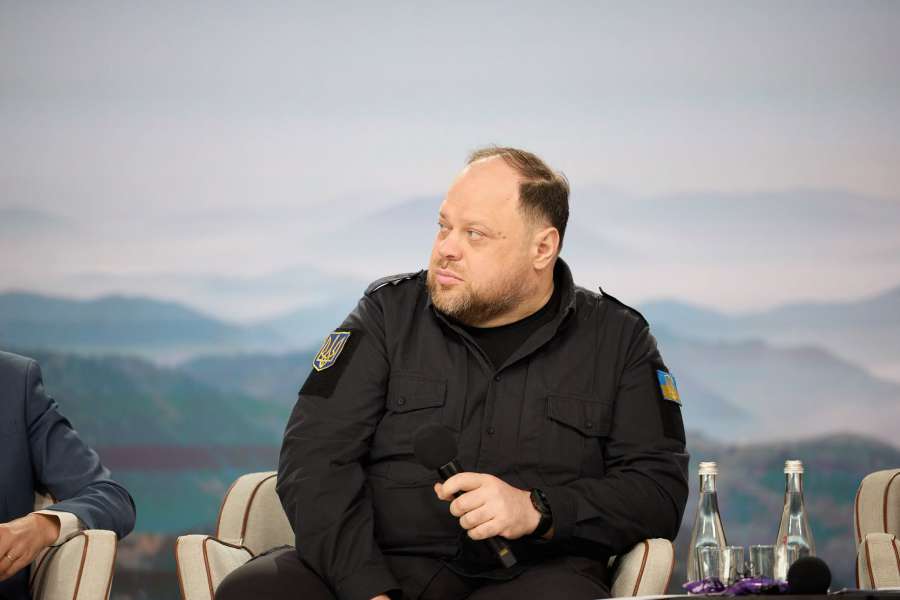
The Chairman of the Verkhovna Rada of Ukraine Ruslan Stefanchuk emphasized the importance of the parliamentary dimension of this cooperation and the role of legislators in implementing agreements between countries.
“Parliaments have to be a full part of this new cooperation, because they create a legislative basis to change political agreements into real decisions, investments, and joint projects,” noted Ruslan Stefanchuk.
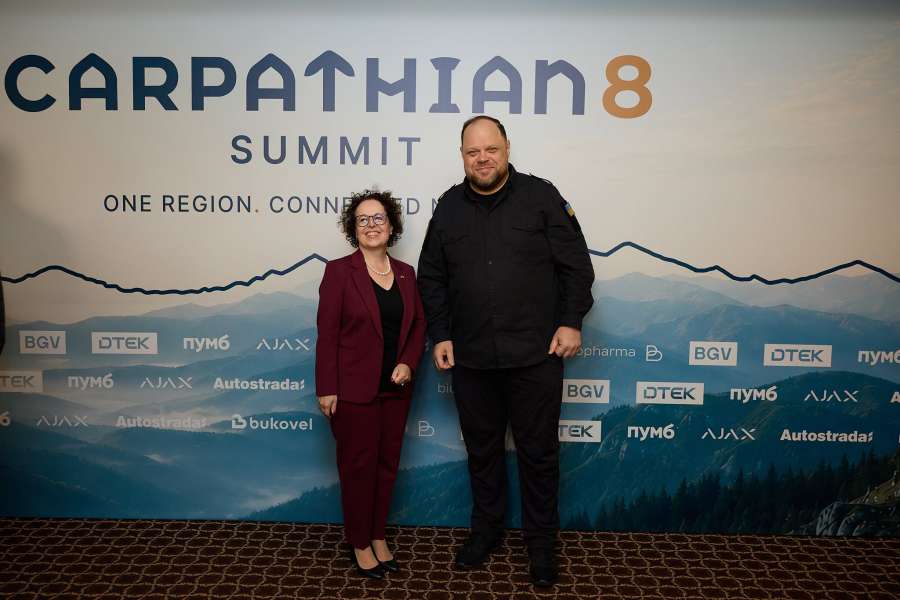
During the Summit, Ruslan Stefanchuk held a meeting with President of the Federal Council of Austria Christine Schwarz-Fuchs. The parties discussed the development of the Carpathian Integration Initiative at the parliamentary level and further development of interparliamentary cooperation.
“We talked about attracting Austrian business to invest in Ukraine, Austria's participation in the Shelters Coalition, the implementation of specific projects in the frontline regions, and the experience exchange in the security sector,” Ruslan Stefanchuk informed.
During the meeting, the Chairman of the Verkhovna Rada also raised the issue about the recognition of the Holodomor as a genocide against the Ukrainian nation by the Federal Council of Austria. According to Ruslan Stefanchuk, Christine Schwarz-Fuchs assured him of Austria’s further support for Ukraine.
“We appreciate the humanitarian assistance provided, cooperation between our cities, and readiness to work together on specific projects. I thank Austria for its support and solidarity with Ukraine,” the Chairman of the Verkhovna Rada said.
A separate part of the Summit was a discussion about the local and regional dimension of cooperation. The participants discussed how the cooperation between local communities and regions can foster economic development, security, and the strengthening of ties across the Carpathian region.
“For Ukraine, it is also practical integration prior to EU accession. It has to be tangible for people in practical ways: new bridges and border crossing points, joint rescue services, infrastructure projects, and partnerships between local communities,” said Ruslan Stefanchuk.
According to the Chairman of the Verkhovna Rada, Ukraine is ready to strengthen the parliamentary dimension of the Carpathian initiative. To do so, there is a plan to convene the Speakers of the C8 parliaments and to launch a systematic Carpathian Parliamentary Dialogue.
The new format is intended to help remove legal barriers for joint projects, accelerate conclusion of cross-border agreements, and deepen cooperation between local communities and regions of member states.
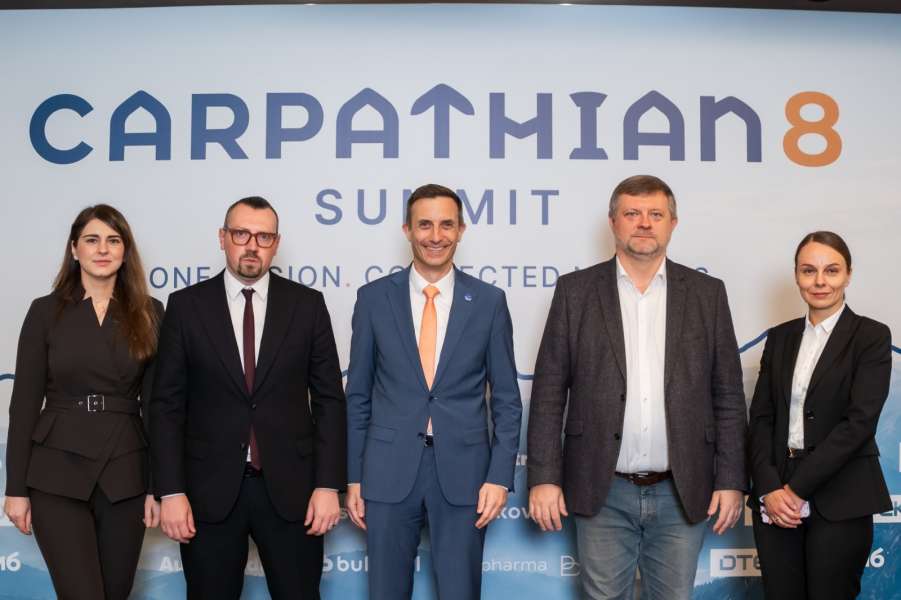
The issue of regional policy and the development of local communities was also discussed by the First Deputy Speaker during the meeting with the Secretary General of the Congress of Local and Regional Authorities of the Council of Europe, Mathieu Mori.
The main topic of the discussion was the further development of multi-level governance in Ukraine. The parties discussed the division of powers between different levels of authority, the governance model update, and the next steps within the dialogue between Ukraine and the Council of Europe.
Special attention was paid to the challenges faced by temporarily occupied and frontline territories. The discussion was also focused on the need to develop managerial solutions, taking into consideration both the Ukrainian experience and the European partners' practices.
“The Carpathian Integration Initiative gives one more level for this cooperation –– between states, regions, and local communities. Ukraine launched this format to deepen interaction among the countries of the Carpathian region, and among its fundamental principles are resilience, good governance, recovery and sustainable development of the region,” noted the First Deputy Speaker.
A special part of the conversation was the capacity of local communities and regions to work with European financial instruments. The participants discussed the need to strengthen local human resource potential, in particular by preparing specialists who can develop projects, work with cros-borded cooperation programmes, and attract European funding.
The role of local authorities regarding the work with the Register of Damages Caused by the russian federation against Ukraine was also discussed. The Council of Europe is working to ensure that local communities better understand the opportunities offered by the Register and can assist locals to use this mechanism.
“I thank Mathieu Mori for a substantive discussion and readiness to continue our joint work. For Ukraine, a strong regional policy is a necessary condition for the resilience of the local communities, the state’s recovery and our European integration,” emphasized Oleksandr Korniyenko.
Within the framework of the Carpathian Forum of Communities and Regions, a side event was also held, dedicated to the development of mountainous areas, the needs of local communities in the Carpathian region, and their potential for Ukraine's economic development.
Back in 2021, the First Deputy Speaker, together with colleagues, established an inter-factional parliamentary association in support of mountainous areas.
“In recent years, due to the war, this topic has not always remained a priority, however, it is now time to return to it systematically. Mountain communities face unique conditions –– ranging from infrastructure and service accessibility to opportunities for doing business and attracting investment. Therefore, state decisions must account for these specificities," noted the First Deputy Speaker.
Special attention during the conversation was paid to cross-border cooperation. Partnership between communities, cities, and regions of the neighbouring countries can facilitate the implementation of joint projects, the development of economic ties, the exchange of experience, and the creation of new opportunities for local development.
“Today, part of Ukraine’s new economy is being formed in the west of our country. The Carpathian regions can play a significant role in this –– through entrepreneurship, investment, logistics, international partnerships, and the development of the local communities. The more opportunities rear regions have, the more resources our country will have to support frontline regions and national reconstruction,” emphasized Oleksandr Korniyenko.