Ruslan Stefanchuk: The Basic Law Has Fulfilled Its Primary Mission — Ensuring the Continuity of Ukrainian Statehood
19 June 2026, 18:13
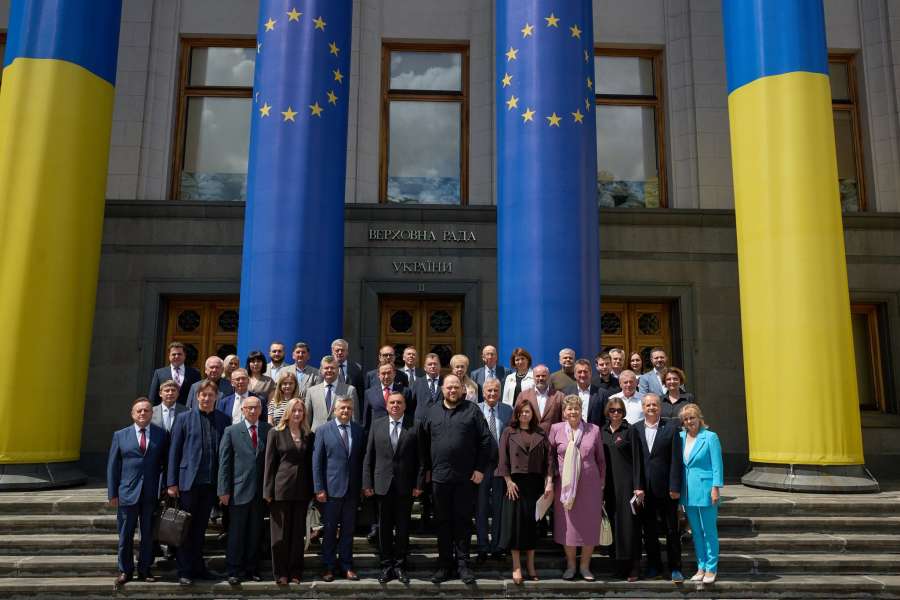
The Chairman of the Verkhovna Rada of Ukraine, Ruslan Stefanchuk, took part in the roundtable meeting "Thirty Years of the Constitution of Ukraine: Achievements and Contemporary Challenges," which was dedicated to reflecting on the role of the Basic Law in the formation of Ukrainian statehood.
Representatives of the Government, judges of the Supreme Court, People's Deputies of various convocations, as well as representatives of the National Academy of Sciences of Ukraine and higher education institutions, discussed constitutional stability, the unfulfilled provisions of the Basic Law, and the further development of the constitutional process following the termination of martial law.
«On June 28, 1996, at 9:28 a.m., one of the most consequential votes of the Ukrainian Parliament took place in this very building. It was a historic, overwhelmingly supported decision to adopt the Constitution of Ukraine,» Ruslan Stefanchuk recalled.
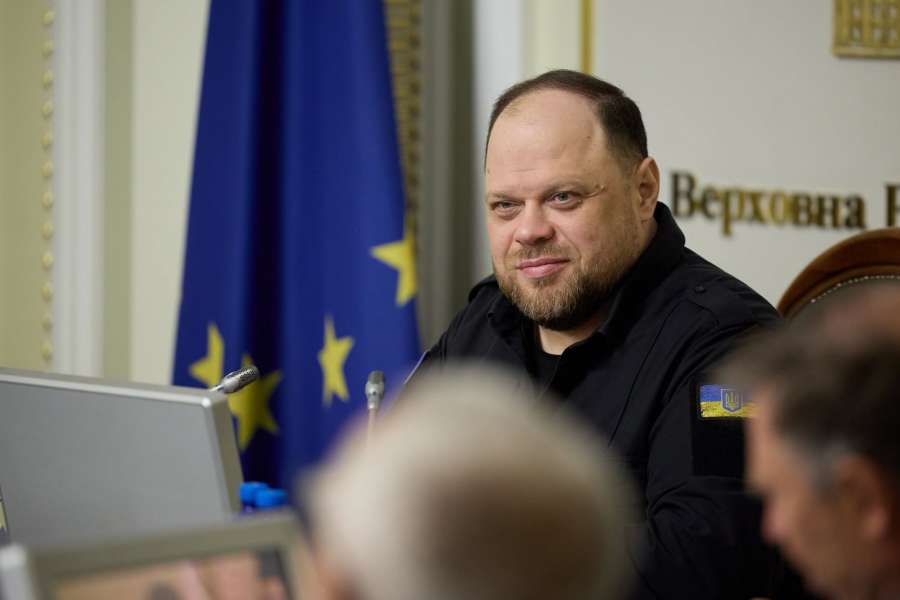
He welcomed the co-authors of the Ukrainian Constitution in attendance—People’s Deputies of the second convocation of the Verkhovna Rada of Ukraine—and thanked them for their historic contribution to state-building.
He emphasized that in 1996, the Constitution of Ukraine became the definitive answer to the question of whether Ukraine would exist as an independent state.
«Therefore, we understand that the Constitution of Ukraine is much more than a document: it is a social contract for tens of millions of Ukrainians around the world. Over three decades, the Constitution has withstood the test of state-building, political crises, and full-scale war. If democratic institutions are functioning today, if Ukraine remains a sovereign state, if we continue our movement toward the EU—it means one thing: the Basic Law has fulfilled its primary mission—it has ensured the continuity of Ukrainian statehood,» Ruslan Stefanchuk stated.
The Chairman of the Verkhovna Rada of Ukraine emphasized that the Constitution was drafted as a law for peacetime, not for martial law. Nevertheless, today the Basic Law is enduring one of its most difficult trials with dignity, remaining the legal foundation of Ukraine's struggle.
The President of the Supreme Court, Stanislav Kravchenko, emphasized that today the Basic Law takes on special significance, as it becomes a symbol of state resilience, legal certainty, and social unity.
“From the very first days of the war, the question arose of how to ensure the protection of constitutional rights and freedoms under extraordinarily challenging conditions. However, we can state that the judicial system successfully fulfilled its task. Today, amid the war, every judicial jurisdiction—administrative, commercial, criminal, or civil—is shaping a new human rights-oriented jurisprudence on issues related to the armed aggression, while upholding the requirements of the Constitution,” Stanislav Kravchenko emphasized.
According to the Acting Minister of Justice of Ukraine and Deputy Minister of Justice for European Integration, Liudmyla Suhak, the Constitution of Ukraine remains the foundation underpinning Ukraine’s European integration process and its EU accession negotiations.
In turn, one of the co-authors of the Constitution text, People’s Deputy of Ukraine of the first, second, and third convocations, Vasyl Kostytskyi, emphasized that during the drafting of the Basic Law, aggressive russian influence on the development of political and legal thought in Ukraine was successfully overcome.
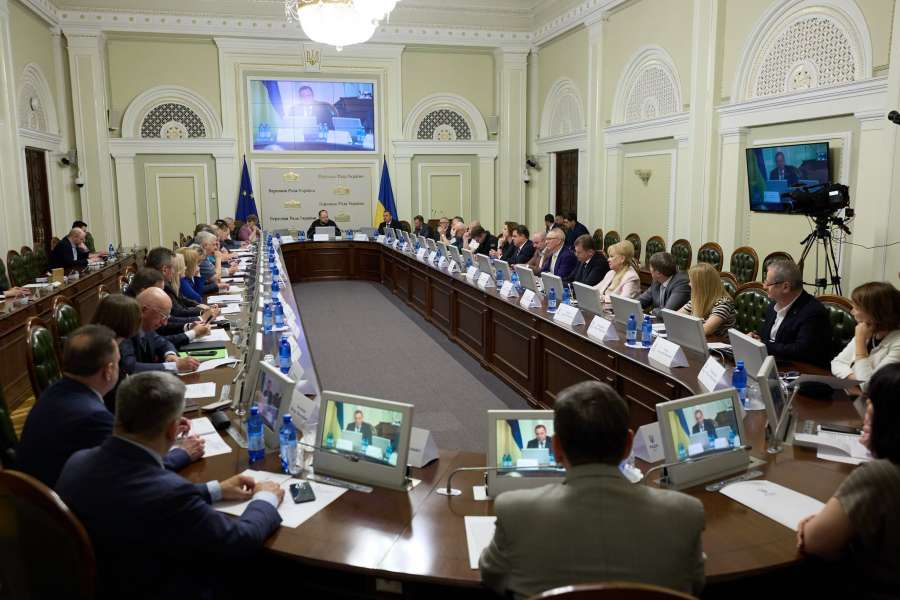
Instead, the drafters incorporated national traditions and global practices in the development of constitutionalism into the text.
“The 1996 Constitution of Ukraine not only reaffirmed the centuries-old tradition of Ukrainian state-building but also our collective responsibility to future generations, while enshrining the national symbols of the Ukrainian people,” Vasyl Kostytskyi noted.