The European Security Architecture is Being Built on Ukrainian Soil: Outcomes of the NATO Parliamentary Assembly Spring Session
03 June 2026, 19:20
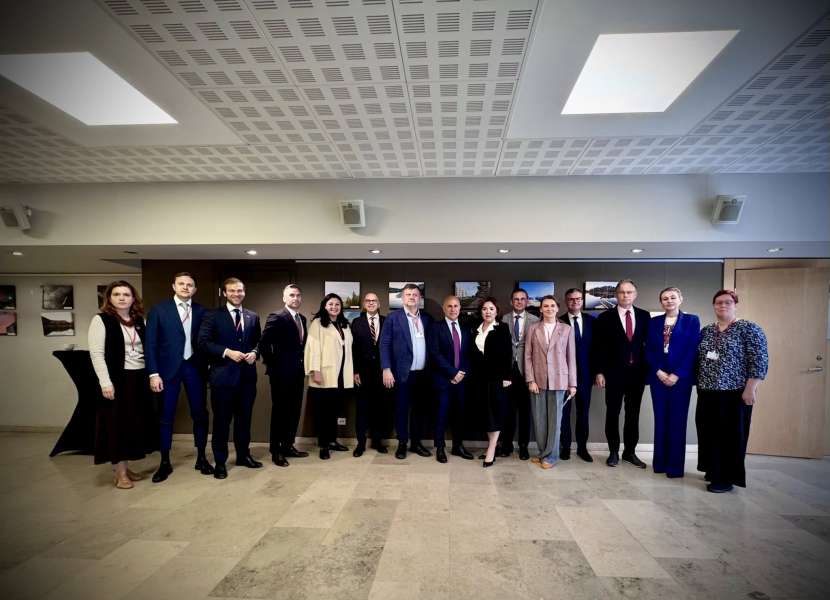
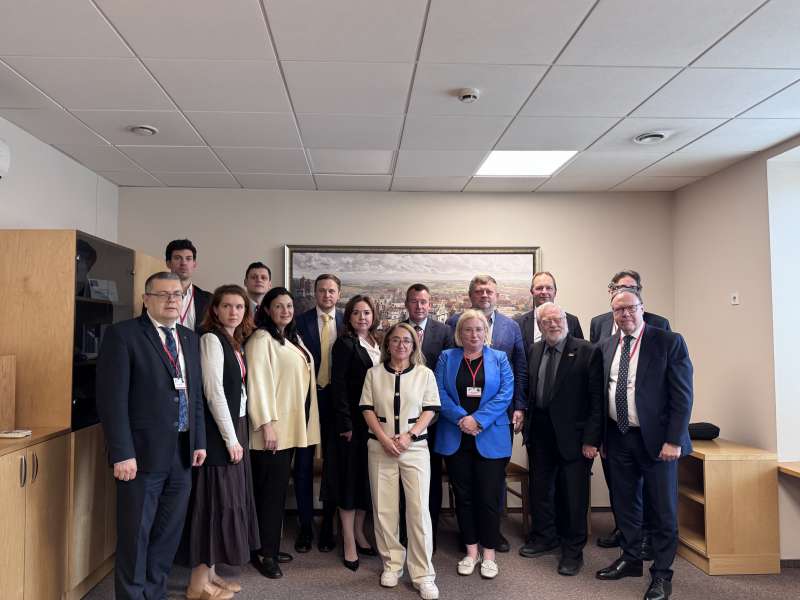
The delegation of the Verkhovna Rada of Ukraine, led by the First Deputy Speaker Oleksandr Korniienko, concluded its working visit to the capital of the Republic of Lithuania, which hosted the Spring Session of the NATO Parliamentary Assembly from May 29 to June 1.
This year, the key outpost of NATO's eastern flank gathered in Vilnius more than 230 parliamentarians of Alliance member states and partner countries.
The Ukrainian delegation comprised MPs Solomiya Bobrovska, Oleksandr Merezhko, Roman Hryshchuk, Ivanna Klympush-Tsyntsandze, Halyna Mykhailiuk, Mariana Bezuhla, Andrii Zhupanyn, Oleksii Zhmerenetskyi, Anna Skorokhod.
The participation of the parliamentary delegation in the Vilnius session is highly important as it takes place on the eve of the major NATO Leaders' Summit, which will be held in Turkey on July 7-8.
The main focus in Vilnius was supporting Ukraine in securing a free and sovereign future. Additionally, within the framework of the NATO PA, debates were held on strengthening the Alliance's collective defence and countering hybrid threats.
Furthermore, the discussion sustained further military and economical support for Ukraine, as well as expanding partnership to strengthen its defence capability. This includes enacting legislative frameworks to scale up defense-industrial cooperation, which will have a direct impact on the battlefield.
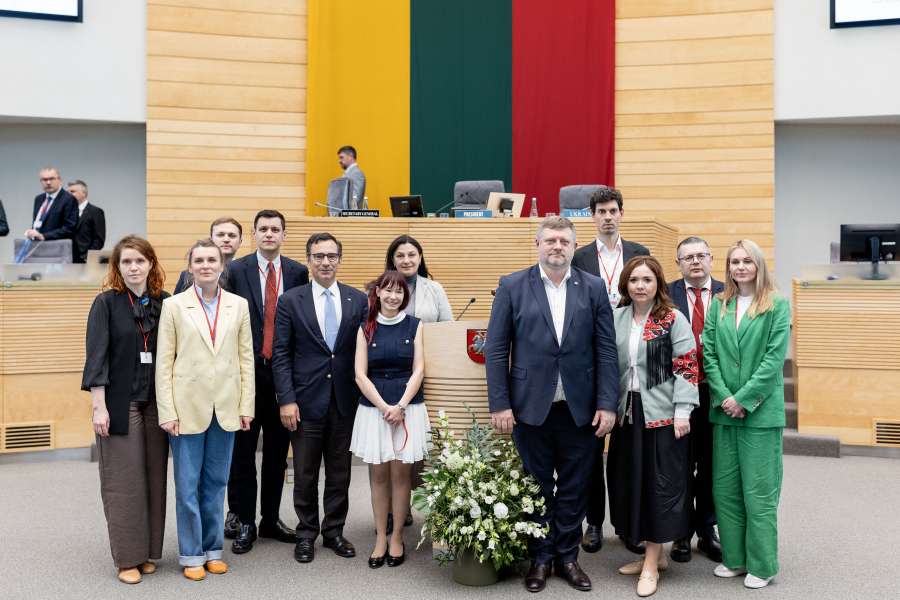
From the Ukrainian side, the meeting was co-chaired by Oleksandr Korniienko, Co-Chair of the Ukraine-NATO Inter Parliamentary Council, while the NATO Parliamentary Assembly was represented by Marko Mihkelson, a member of the Estonian delegation.
Opening the session, Oleksandr Korniienko emphasised that the democratic world must demonstrate a strong unity today, as the security architecture of the entire European continent is being built on Ukrainian soil.
"Strengthening Ukraine's defence industry today directly bolsters the security of the entire Euro-Atlantic area. However, to sustain this momentum, the scale of the threat demands immediate and decisive action, not hesitation. At this critical juncture, strategic vision and resolute leadership matter more than ever," stated Oleksandr Korniienko.
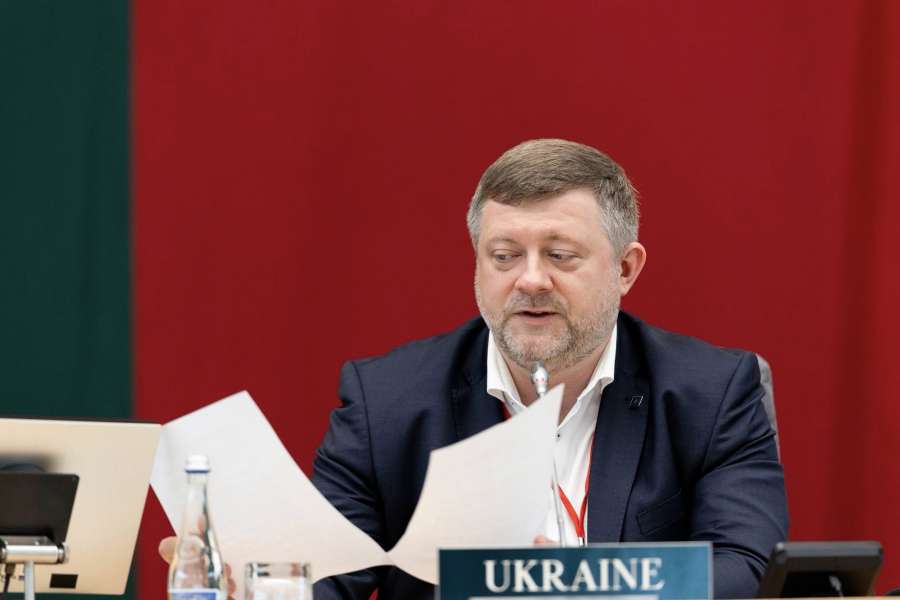
According to him, Ukraine has stood on the frontline between the civilised world and an absolute evil for the fifth year in a row, with each passing day paid for with the blood of both military personnel and civilians.
"It is crucially important that democratic institutions of Ukraine continue to operate effectively. The Verkhovna Rada of Ukraine and the Government are not only responding to challenges, but are pushing for systemic reforms aimed at strengthening the rule of law, democratic governance, anti-corruption mechanisms, and Ukraine's European and Euro-Atlantic integration," emphasized Oleksandr Korniienko.
According to him, Ukraine remains fully committed to its democratic path, transforming the state even during active combat operations.
With the participation of NATO PA President Marcos Perestrello and NATO PA Secretary General Benedetta Berti, debates were held regarding Ukraine's urgent need for air defence systems to protect against ballistic missiles.
The First Deputy Speaker highlighted the unprecedented acceleration of Ukraine's defense industry development and called on the partners to continue funding the PURL.
"We are grateful to all the allies and NATO partners who have contributed to PURL since the beginning of this year, as well as to those who have announced their intention to join," Oleksadr Korniienko stressed.
According to him, this is of crucial importance for maintaining momentum on the battlefield and providing Ukraine with the capabilities required to bring about a just and lasting peace.
For his part, NATO PA President Marcos Perestrello emphasized the need to significantly increase contributions to NATO-led initiatives.
"Since last summer, PURL has provided 75% of all missiles for Ukraine's Patriot systems and 90% of missiles that are being used in other air defence systems," emphasised Marcos Perestello.
He noted that the Assembly called for accelerating the delivery of air defense systems, modern air combat capabilities, artillery ammunition, and long-range precision strike weapons to Ukraine, at a volume and pace sufficient to degrade the russian federation’s logistics infrastructure.
"At the national level, our responsibility as parliamentarians is clear: we must ensure that procurement systems remain efficient and resilient under wartime conditions. We must also continue to work closely with Ukraine—not only to support its efforts but also to learn from its experience," added the NATO PA President.
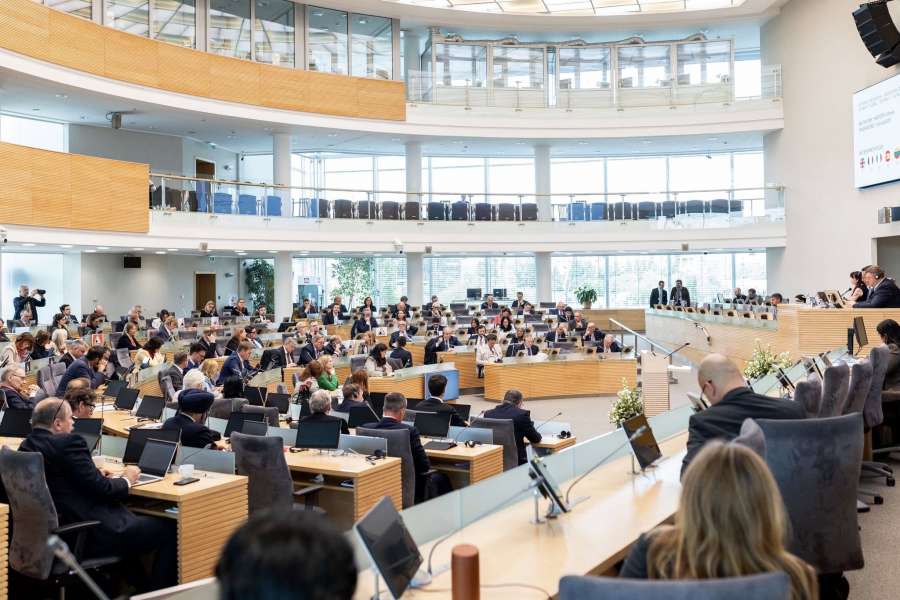
For her part, Solomiya Bobrovska, Deputy Head of the Delegation to the NATO Parliamentary Assembly, spoke on Ukraine’s experience in adapting its defense procurement system to wartime conditions and highlighted the lessons the Alliance could draw from this experience.
In her presentation, she emphasized the streamlining of procedures while maintaining oversight, as well as fostering synergy among the military, defense industry enterprises, and political leadership.
"Ukraine’s experience in modern warfare, the rapid advancement of defense technology, countering hybrid threats, and the resilience of our state institutions are drawing significant interest from allies today. This underscores Ukraine's strengthening position within the European security architecture. We have proven that security is not just about guarantees, but about the readiness to defend oneself and invest in one's own defense. That is precisely why Ukraine’s voice within NATO resonates more powerfully today than ever before," emphasized Solomiya Bobrovska.
On the sidelines of the Spring Session, the delegation of the Verkhovna Rada of Ukraine also held a series of bilateral meetings with parliamentarians from partner countries.
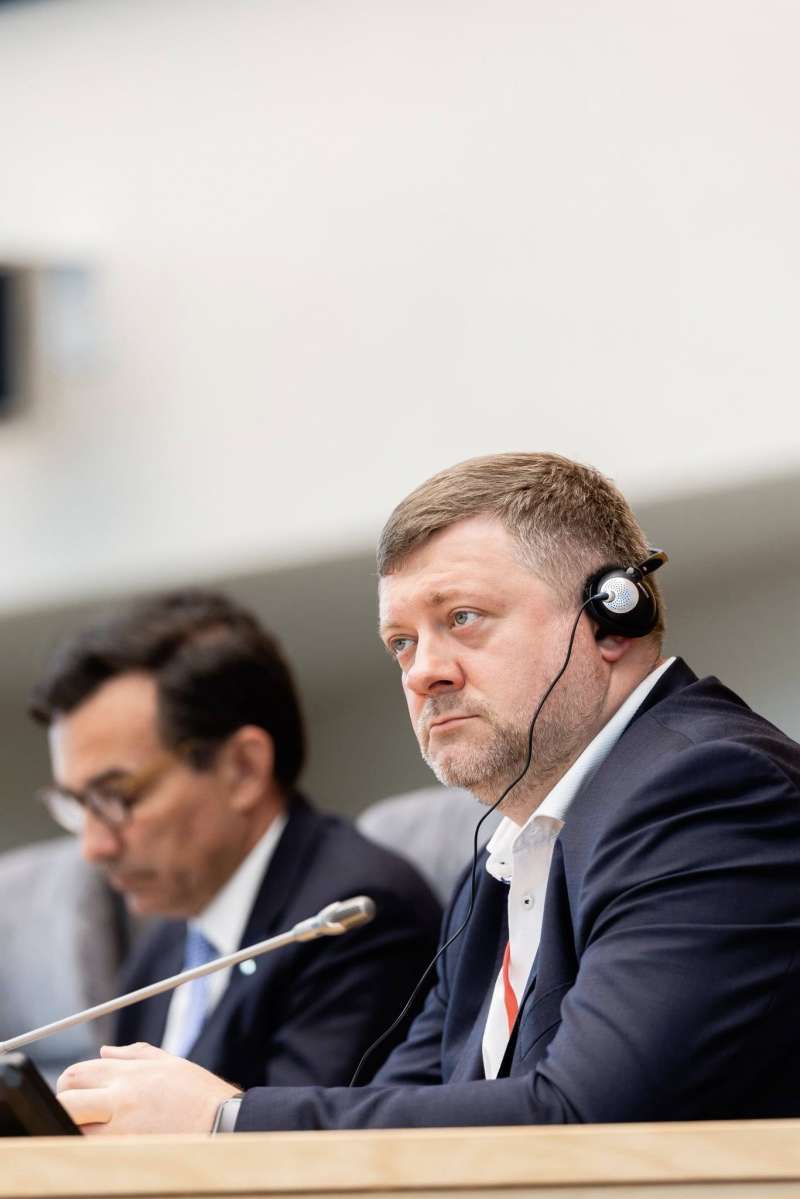
In particular, the Ukrainian delegation, led by Oleksandr Korniienko, met with colleagues from the European Parliament to address the issue of Ukraine's EU integration. The First Deputy Speaker thanked the MEPs for their support of over ten resolutions during the current legislative term and reaffirmed Ukraine's commitment to fulfilling its membership obligations by the end of 2027.
According to Oleksii Zhmerenetskyi, a Ukrainian member of the Ukraine–NATO Inter-Parliamentary Council, European partners already recognize the benefits of integrating Ukraine into the collective security system, even prior to its accession to the European Union.
"It is clear that Ukraine possesses unique expertise without which Europe cannot effectively counter the enemy. Partner countries are keenly interested in studying the Ukrainian experience in digitalization, military reform, air defense organization, technology, as well as the manufacturing and procurement of drones," emphasized Oleksii Zhmerenetskyi.
Ivanna Klympush-Tsyntsadze, a member of the Ukraine–NATO Inter-Parliamentary Council, emphasized that the need for new security frameworks still warrants discussion with a number of partner countries.
"The number of states mobilizing resources and taking action for our shared needs has increased substantially. At the same time, certain representatives still harbor hopes of avoiding a sharp increase in defense spending. We need to engage more intensively with these colleagues," underscored Ivanna Klympush-Tsyntsadze.
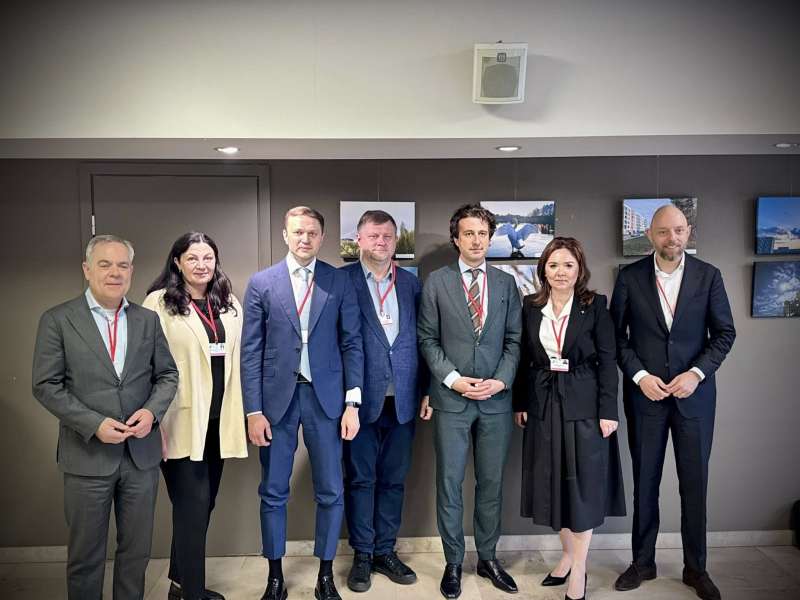
The First Deputy Speaker emphasized that a key focus of the negotiations with the US Congressional delegation was the subsequent steps toward a just peace. For their part, the American lawmakers once again clearly reaffirmed the steadfastness of their position: the United States stands firmly with Ukraine.
"We also discussed ways to strengthen Ukraine. I believe that through joint efforts, we can drive our victory forward and secure a better future for all. The Ukrainian people are grateful to the US for its support along our journey, particularly during this challenging period of aggression," stated Oleksandr Korniienko.
Roman Hryshchuk, a member of the Ukraine–NATO Inter-Parliamentary Council, added that funding for a programm aimed at intercepting ballistic missiles was also discussed with the American delegation.
“During the bilateral meetings, we specifically discussed assistance in funding a program for the procurement of interceptor missiles to counter ballistic threats. This is currently a massive challenge, given the continuous russian attacks,” emphasized Roman Hryshchuk.
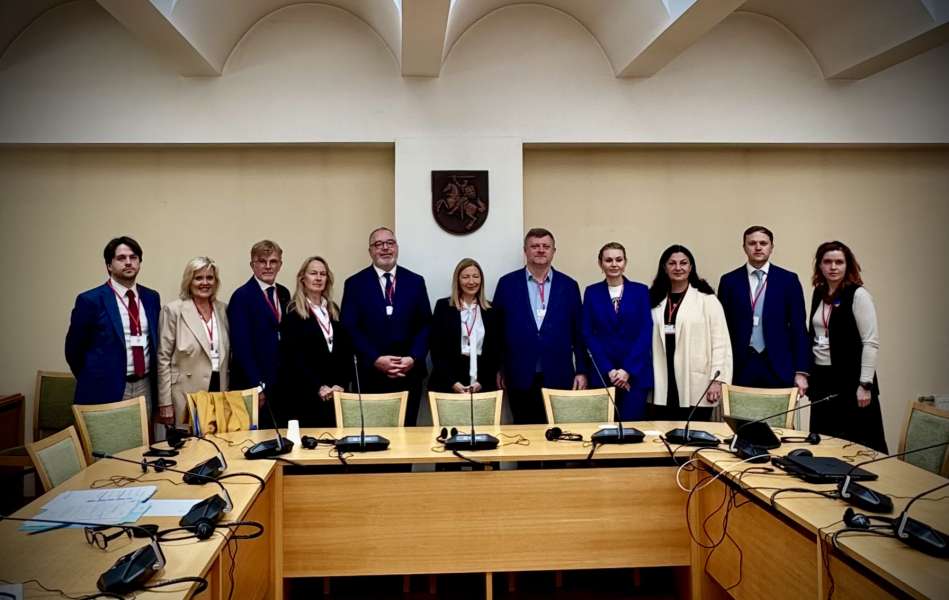
He noted that nearly all partners are eager to study Ukraine's experience and are deeply impressed by the rapid development of unmanned systems in the country.
“One gets the impression that NATO needs Ukraine more than Ukraine needs NATO,” added Roman Hryshchuk.
The issue of international accountability for the crime of aggression was a central focus during the meeting with the delegation from the Netherlands—one of Ukraine’s leading partners in promoting international justice mechanisms, noted Halyna Mykhailiuk, a member of the Ukraine–NATO Inter-Parliamentary Council.
According to her, the negotiations centered on the prospects of the Netherlands ratifying the Convention on the Establishment of an International Compensation Commission for Ukraine. The entry into force of this convention requires 25 ratifications, a milestone targeted for 2026.
"During the talks with the Swedish delegation, we focused on the preparation of the EU's 21st sanctions package. Separately, we raised the issue of the training of Ukrainian service members by Swedish specialists, particularly within the framework of the LEGIO programme," Halyna Mykhailiuk stated.
Also within the framework of the visit to Vilnius, the First Deputy Speaker, alongside his colleagues—People's Deputies of Ukraine—held meetings with the delegations of France, Germany, and the United Kingdom.
With the French delegation, discussions focused on strengthening air defense systems and the supply of artillery systems and their corresponding ammunition. With representatives from the Federal Republic of Germany, the focus was centered on the challenges faced by Ukrainian farmers in ensuring food security under the continuous threat of Shahed and FPV drone strikes. With the parliamentary delegation of the United Kingdom, attention was dedicated to economic matters, as well as the implementation of reforms, particularly anti-corruption initiatives.
According to Anna Skorokhod, a member of the Permanent Delegation to the NATO Parliamentary Assembly, Ukraine enjoys near-absolute support from its international partners.
"We hope that Europe will continue to remain an active participant in the process aimed at Ukraine's victory and the swiftest possible just conclusion to the war," Anna Skorokhod emphasized.
According to Andrii Zhupanyn, another member of the Permanent Delegation to the NATO Parliamentary Assembly, the Verkhovna Rada delegation held no fewer than eight bilateral meetings with representatives from partner nations.
"We reached an understanding with the Romanian delegation regarding a joint project on protection against russian drones. This cooperation covers two specific regions: Odesa and Chernivtsi oblasts," Andrii Zhupanyn underscored.
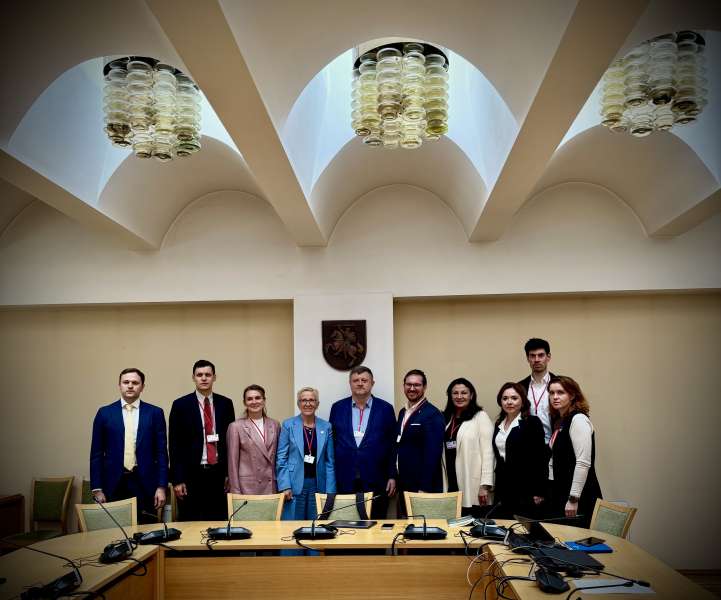
Maryana Bezuhla, a member of the Ukraine–NATO Inter-Parliamentary Council, emphasized that bolstering the defense of Ukrainian skies was a pivotal theme of the Assembly. Furthermore, the ongoing full-scale war in the heart of Europe has clearly ceased to be an exclusively Ukrainian problem.
"This year, one major shift was palpable. While past discussions largely centered on how to help Ukraine, the focus now increasingly revolves around the expertise Ukraine can provide to the allies. Recent incidents involving russian drones breaching the airspace of NATO member states served as a stark reminder to our partners that the security challenges Ukraine contains on a daily basis affect everyone," Maryana Bezuhla noted.
According to Oleksandr Merezhko, Deputy Co-Chair of the Ukraine–NATO Inter-Parliamentary Council, the Ukrainian issue resonated throughout the vast majority of the participants' reports in Vilnius.
"It is of paramount importance that the sessions of the NATO PA and the Ukraine–NATO Inter-Parliamentary Council clearly reaffirmed Ukraine's Euro-Atlantic aspirations," Oleksandr Merezhko stated.
Specifically, three points of the final NATO PA resolution are dedicated to supporting Ukraine. The resolution calls on European allies and Canada to continue strengthening Europe's defenses and, alongside the United States, to sustain their support for Ukraine, notably through the NATO initiative "Prioritised Ukraine Requirements List" (PURL).
"A strong, sovereign, and independent Ukraine is vital for the stability of the Euro-Atlantic area. We reaffirm that Ukraine’s future is in NATO. Ukraine's Euro-Atlantic integration directly contributes to long-term regional security. We support a clear, multi-year financial commitment that ensures predictability and aligns with Ukraine’s assistance needs on the ground," the text of the NATO PA resolution reads.
Furthermore, the 13-point document calls for the mobilization of member state parliaments to provide NATO with sustained political support, and unequivocally condemns russia as a strategic threat to Euro-Atlantic security, particularly due to its aggression against Ukraine.
The Assembly also supported maintaining pressure on russia through the tightening of sanctions.
"We strongly condemn russia's reckless actions that resulted in airspace violations of Lithuania and Romania by drones," the resolution text reads.