Olena Kondratiuk met with the Special Representative of the Secretary General of the Council of Europe on the situation of Ukrainian children: “We count on the Council of Europe’s assistance in harmonising ‘child-related sanctions’”
07 May 2026, 16:31
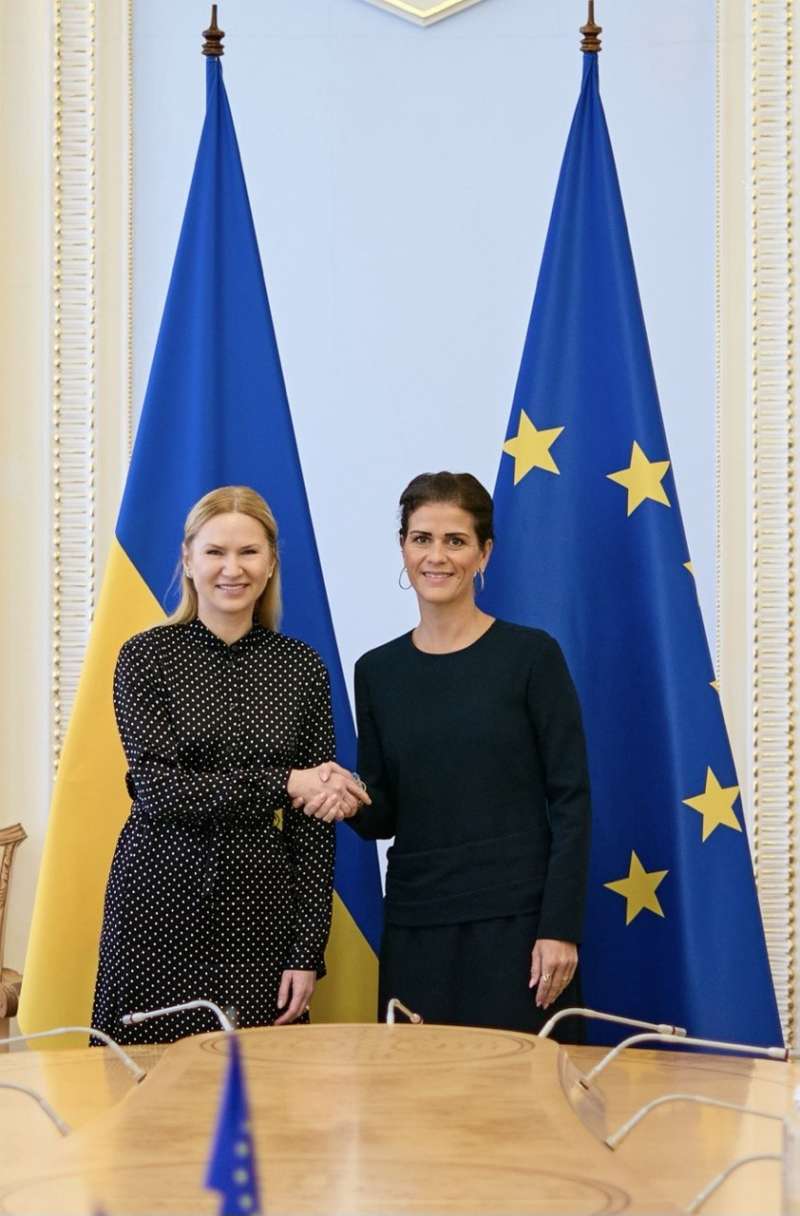
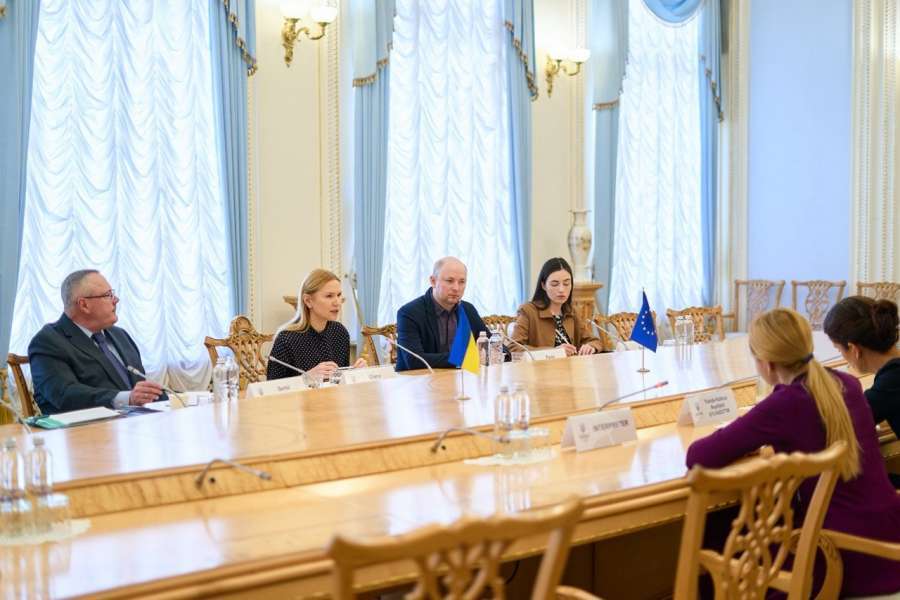
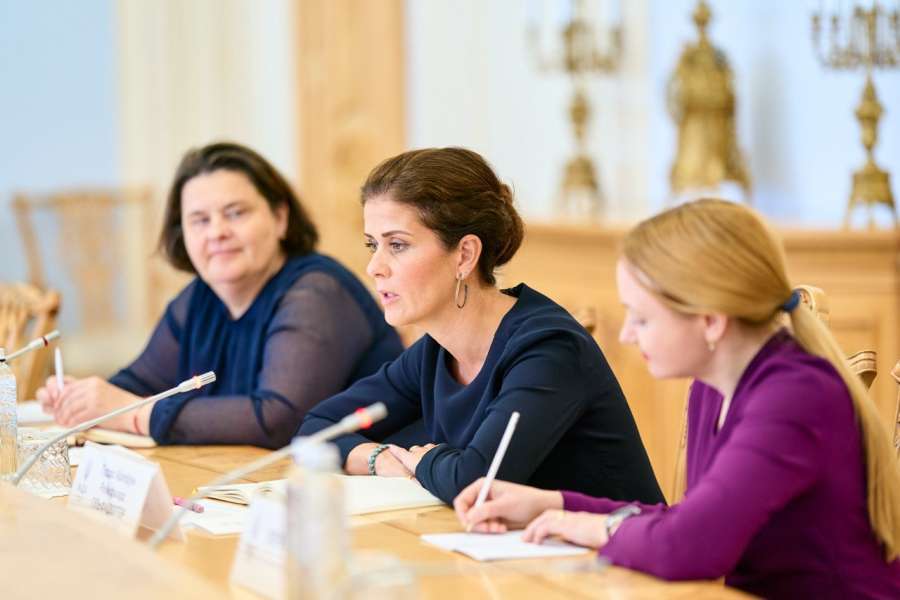
Olena Kondratiuk met with Thórdís Kolbrún Reykfjörd Gylfadóttir, Special Representative of the Secretary General of the Council of Europe on the situation of Ukrainian children.
The meeting took place ahead of the meeting of the International Coalition for the Return of Ukrainian Children, scheduled for May 11 in Brussels with the participation of 47 states, and was devoted to sanctions policy issues.
As Olena Kondratiuk noted, a large-scale forum of civil society organisations working on the identification, return, and support of children abducted or deported by the russian federation was also recently held in Kyiv.
“Following the forum, a statement was adopted and will be submitted for consideration by the Coalition. For me personally, the central issue is the need to strengthen and harmonise sanctions policy,” noted Olena Kondratiuk, who is responsible for the parliamentary dimension of the President of Ukraine’s Bring Kids Back UA initiative."
The Deputy Speaker of the Verkhovna Rada of Ukraine drew the attention of the Special Representative of the Secretary General of the Council of Europe to the fact that sanctions lists concerning those responsible for crimes against Ukrainian children remain uncoordinated between the European Union, Council of Europe member states, the United States, and Canada.
She also informed that on April 29, the President of Ukraine signed a decree imposing new sanctions on 20 individuals and 4 legal entities involved in the deportation of children from temporarily occupied territories and the imposition of russian ideology on them.
“An analysis of seven key jurisdictions shows that only 5% of sanctioned individuals appear simultaneously on all lists. At the same time, 42% of individuals included in the Ukrainian sanctions list are not present in the lists of partner countries,” explained Olena Kondratiuk.
In addition, research by the Yale Humanitarian Research Lab has also identified the involvement of structures linked to Gazprom and Rosneft in the system of deportation and indoctrination of Ukrainian children. Of 44 implicated organisations, around 80% are still not subject to sanctions by the United States or the European Union.
During the meeting, the Deputy Speaker of the Verkhovna Rada of Ukraine called on Thórdís Kolbrún Reykfjörd Gylfadóttir to support cooperation in areas such as the harmonisation of sanctions lists, monitoring and documentation of crimes against children, and engagement of the Parliamentary Assembly of the Council of Europe in advocating for new sanctions.
“The Council of Europe, which brings together 46 states, can become a key platform for coordinating national sanctions regimes. The Consultative Group on the Children of Ukraine can also play an important role in this regard. We also count on the involvement of the Parliamentary Assembly of the Council of Europe in engaging parliaments and governments that have not yet introduced or harmonised ‘child-related’ sanctions,” she stressed.
The Deputy Speaker of the Verkhovna Rada expressed hope for further support and personal leadership from the Special Representative of the Secretary General of the Council of Europe in unifying sanctions as a mechanism for the just punishment of russia for crimes against Ukrainian children.