Resilience in the most difficult conditions: Oleksandr Korniienko paid a working trip to Kharkiv region
23 February 2026, 11:10
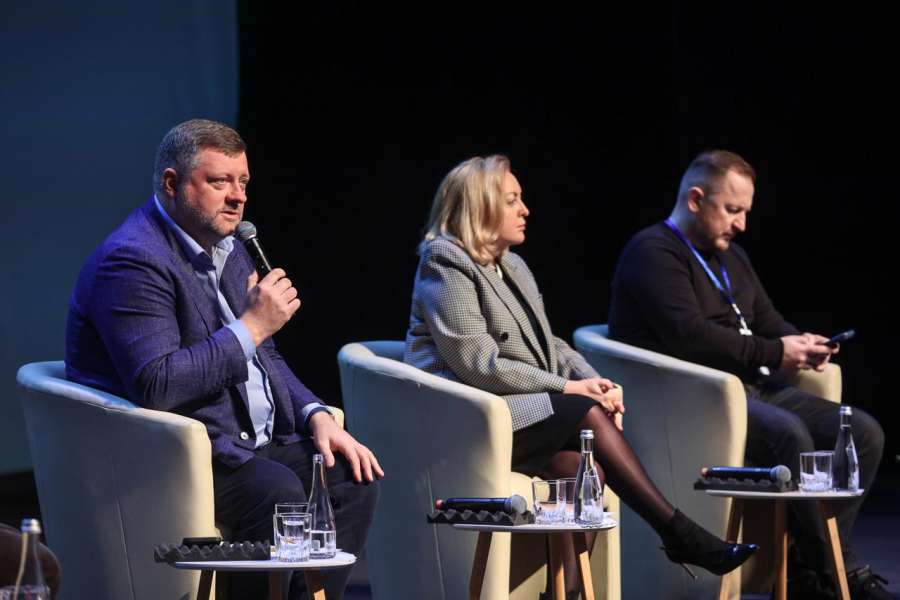
Oleksandr Korniienko, the First Deputy Chairman of the Verkhovna Rada of Ukraine, conducted a working visit to Kharkiv region.
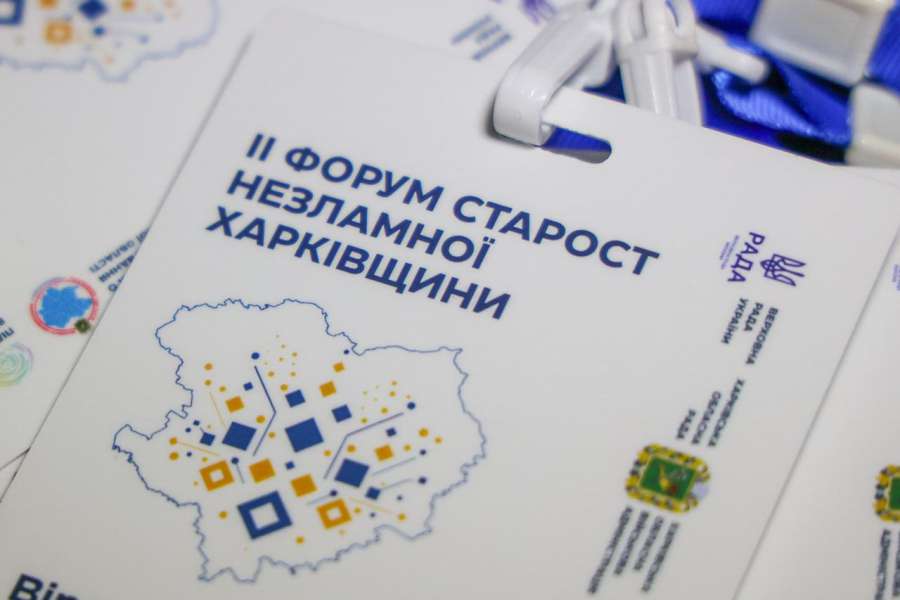
During his visit, the First Vice-speaker took part in the «II Forum of the heads of the unbroken Kharkiv region.» The event traditionally brought together village heads and representatives of central and local authorities to discuss current issues and find solutions to strengthen the institution of village heads and develop cooperation at all levels.
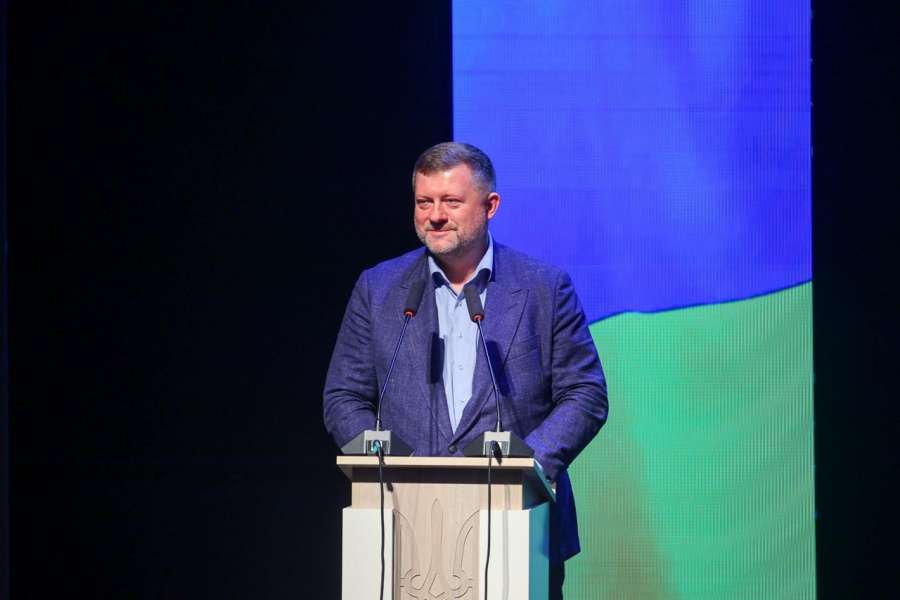
According to the Vice-speaker, nowadays the frontline Kharkiv region is shaping a new quality of public administration with its resilience.
Here, the village heads are not just the basic link in local self-governance. These are people who every day take on much more responsibility than required by law: they are advisors, crisis managers, aid organisers, and the first line of support in the most difficult moments. And today, the best standards of public administration are not being developed in “high offices,” but here, in the communities of the Kharkiv region, which operate in conditions where security and stability are daily concerns,» noted Oleksandr Korniienko and thanked them for their struggle, resilience and work for the future.

During his trip to the Kharkiv region, the First Vice-speaker honoured the memory of children whose lives were taken by russian aggression. «As of November 2025, 106 names of young residents of the region are engraved on the memorial plaque. The pain is unspeakable... People come here daily to leave flowers and toys. The same toys that should have warmed children’s hands, not lie on cold granite. Eternal memory to the little Ukrainians. My sincere condolences to the families whose homes this terrible grief has come to,» said Oleksandr Korniienko.
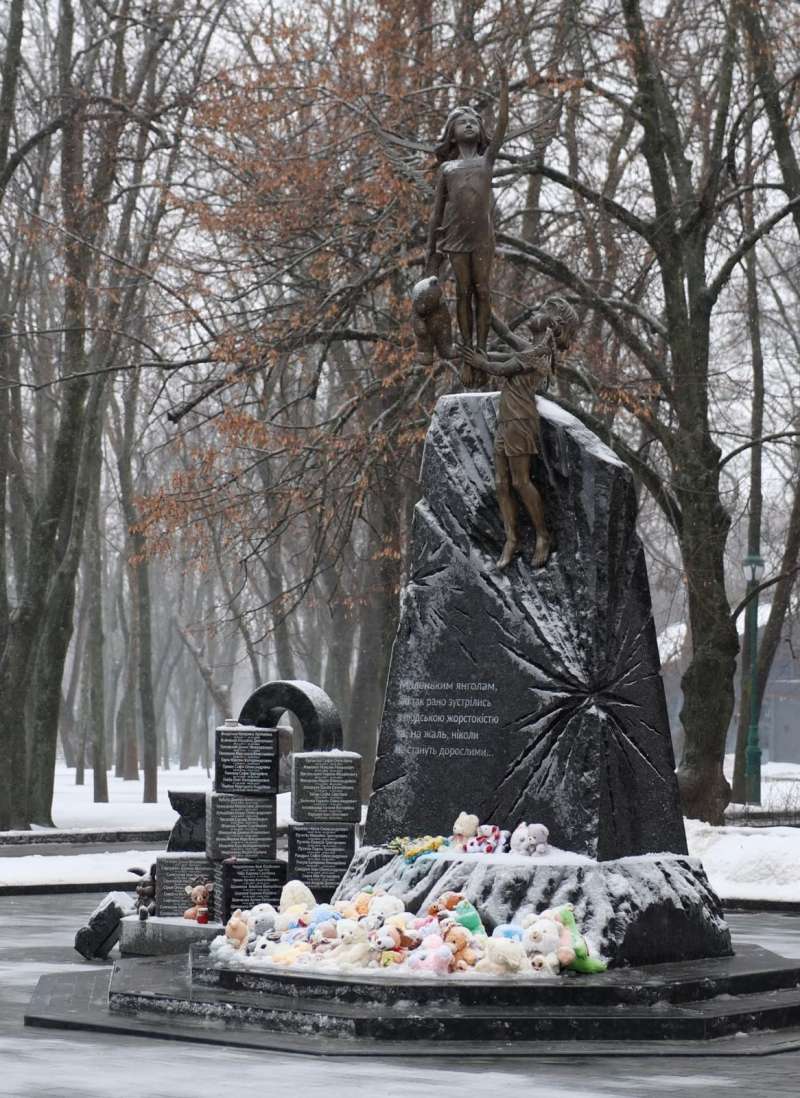
He emphasised that Ukraine will not forgive the enemy for a single life taken. Fair punishment for every crime committed by the kremlin on Ukrainian soil is inevitable.

The First Vice-speaker also looked into the organisation of the educational process in the city of Kharkiv. Facilities for nine secondary schools were set up in the territories of an anti-radiation shelter of one of the lyceums. «Classrooms, assembly halls—everything necessary to ensure that learning continues and children receive knowledge. A total of 1407 students from 53 classes are studying in a mixed format in two shifts. Kharkiv is demonstrating extraordinary resilience even under the most difficult conditions. Despite everything, life goes on,» informed Oleksandr Korniienko, noting the daily dedication of teachers.
Whilst on his visit to the Kharkiv Prosthetics and Rehabilitation Centre, the First Vice-speaker mentioned that thanks to a combination of surgical methods of preparation for prosthetics, the use of robotic rehabilitation systems and support from a multidisciplinary team, the centre provides a continuous cycle of recovery. «Every day, specialists help people return to an active life. This is where modern technology and the power of the human spirit come together,» he said, adding that the work of such centres is extremely important and deserves constant attention and support. Oleksandr Korniienko stressed that the conditions for effective assistance and full rehabilitation must be ensured at the legislative and practical levels, in particular by improving legislation.
Summing up the visit, Oleksandr Korniienko emphasised that the resilience of the Kharkiv region is evident in every aspect of life—from education and rehabilitation to local self-governance. According to him, it is exactly here that real standards of public administration are formed, and the daily dedicated work of teachers, village heads and specialists at assistance centres demonstrates the strength of the human spirit and responsibility for the future. The First Vice-speaker highlighted that support for frontline territories must remain a priority for the state, including effective legislative support and practical mechanisms for the continuous development of communities.