Ivanna Klympush-Tsyntsadze: Internal reforms in the EU and reforms in candidate countries must take place simultaneously
10 December 2025, 10:07
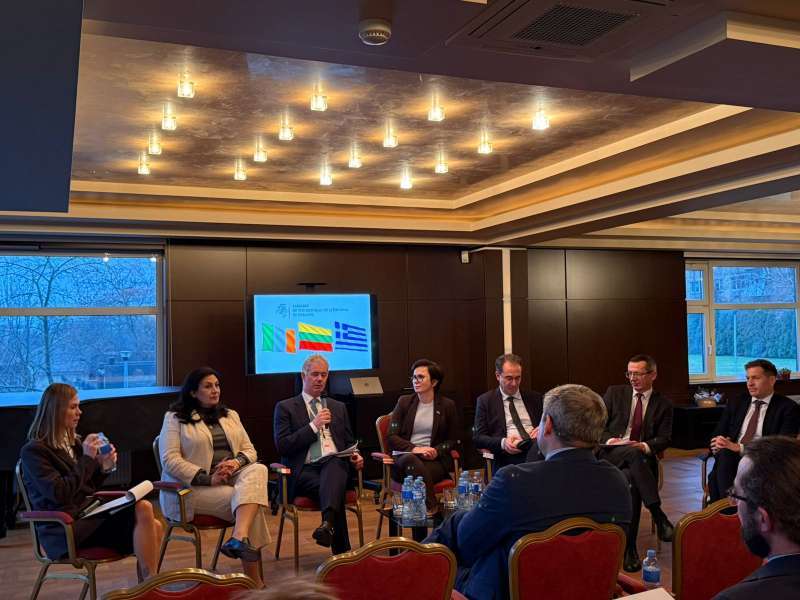
The Chair of the Committee on Ukraine's Integration into the EU, Ivanna Klympush-Tsyntsadze, took part in the discussion on the future trio of presidencies in the Council of the EU – Lithuania, Ireland and Greece. The Embassy of Lithuania organised this event. Participants discussed how the trio of countries that will soon hold the EU Council Presidency can best support Ukraine's path to European Union membership, strengthen regional stability, and promote shared priorities of European integration, reform, and post-war recovery.
In her speech, Ivanna Klympush-Tsyntsadze emphasised the need for rapid progress and quality in Ukraine's European integration process. According to her, these two components should not be mutually exclusive either in Ukraine or within the European Union itself.
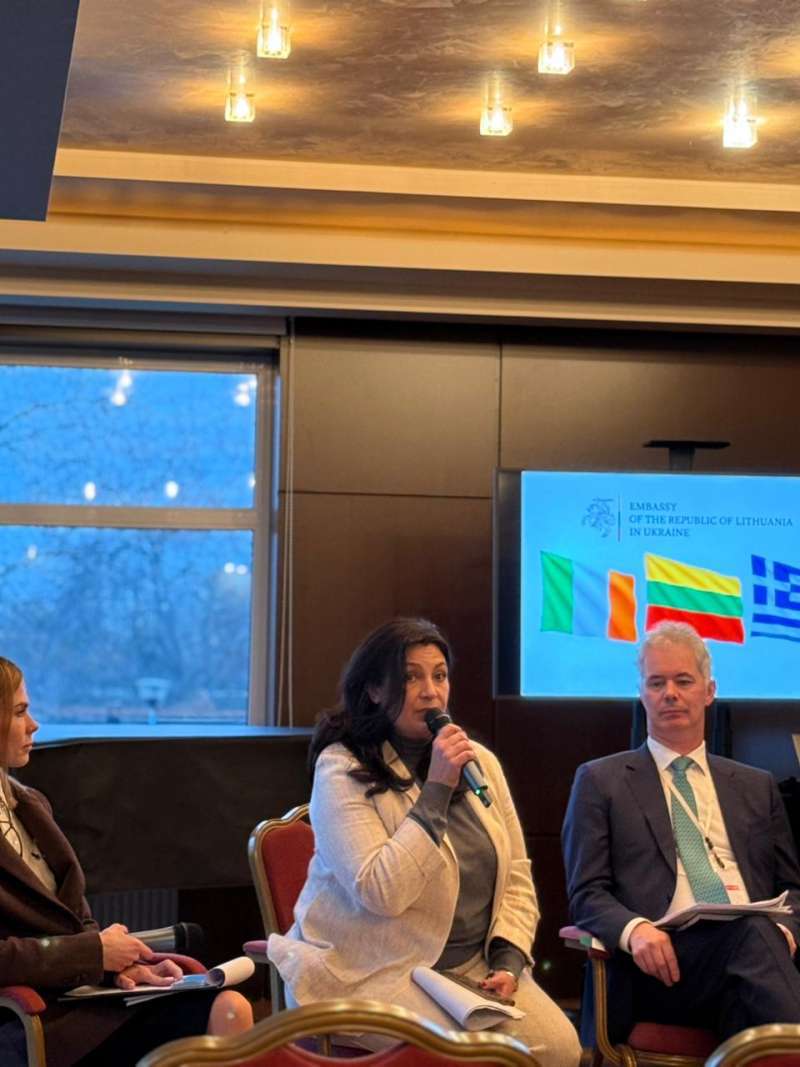
She noted that after russia's full-scale invasion of Ukraine, the European Union experienced a tectonic shift in its policy, as within a few months it became clear that EU enlargement was a matter of its ability to be a global geopolitical player. «It was not just about opening the door to Ukraine. It also provided an additional impetus for the renewal of the European Union itself and gave new momentum to the countries of the Western Balkans,» said Ivanna Klympush-Tsyntsadze.
However, she says that the EU has now lost some of its momentum and drive to find solutions. «We have lost the momentum for internal change within the EU. I no longer hear within the Union the urgency of the need to promote broader reform processes in parallel with internal changes in each candidate country. Therefore, I think that the trio of presidencies of Lithuania, Ireland and Greece could give this process a new sense of urgency and momentum,» said the Committee Chair. She believes that EU enlargement should not only be a strategic goal, but also a practical, operational process that will ensure effective, resource-efficient, democracy-based and merit-based enlargement. At the same time, with a set of new tools that will help candidate countries to be successful in the process of joining the European Union. «This also involves a willingness to find solutions for introducing qualified majority voting, searching for more effective decision-making mechanisms in general, and reviewing certain policies, in particular the common agricultural policy, which will pose many challenges in the future. They need to be reviewed regardless of when and how Ukraine joins the EU,» Ivanna Klympush-Tsyntsadze is convinced.
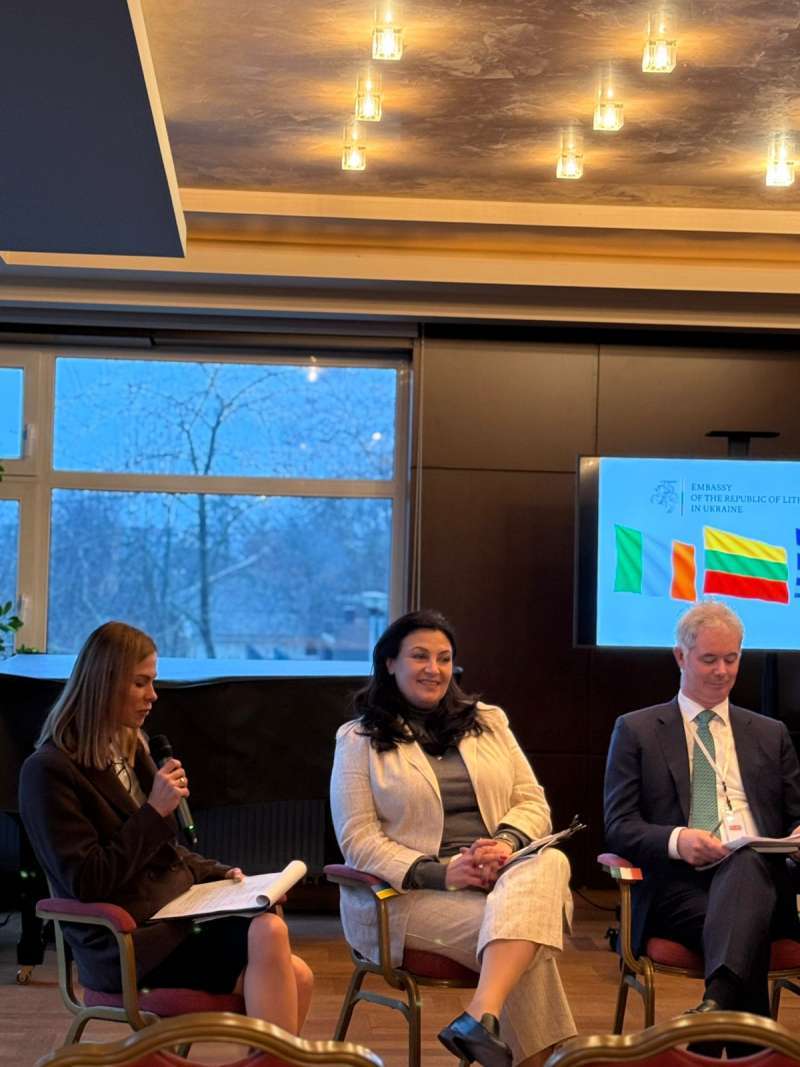
In conclusion, the Chair of the Committee noted that the experience of the trio of presidencies – Lithuania, Ireland and Greece – is important in finding answers to the challenges that arise: «The trio represents different parts of Europe and has unique experience of how countries transformed during their accession to the EU and what changes this brought. So, perhaps they could offer answers to those questions, without which neither Ukraine nor any other country will be able to join the EU.»
Ivanna Klympush-Tsyntsadze also stressed that reforms in the European Union and reforms in candidate countries must take place simultaneously. «This should not be a precondition - it should be a parallel process: we do our job, and you have to be ready when that job is done,» she said.