Ukraine demonstrates remarkable resilience of its democratic institutions despite the ongoing full-scale aggression by the russian federation.
27 June 2025, 14:21
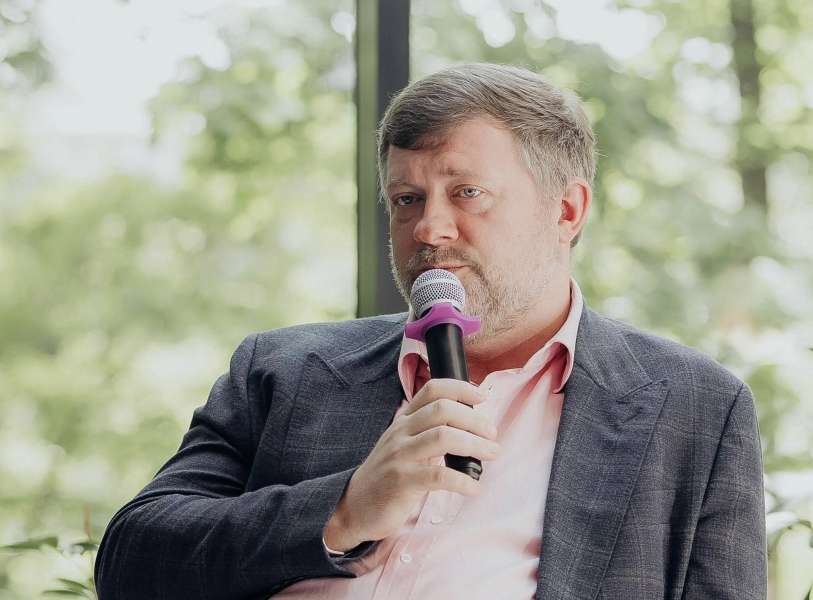
The First Deputy Speaker of the Verkhovna Rada of Ukraine, Oleksandr Korniienko, took part in the presentation of the annual report «Overview of Ukraine’s Democratic Institutions During the War», prepared by the international organization Democracy Reporting International in cooperation with the Centre of Policy and Legal Reform and the Reanimation Package of Reforms Coalition, with the support of the Federal Foreign Office of Germany.
The report analyzes the functioning of key democratic institutions — the parliament, the government, the judiciary, local self-government, civil society, and the media. It also examines the challenges to the electoral process and the protection of human rights during wartime. The report includes recommendations for the government, civil society, and international partners aimed at preserving and strengthening Ukraine’s democratic system even under martial law conditions.

«Despite the ongoing full-scale aggression by the russian federation, Ukraine has demonstrated remarkable resilience of its democratic institutions. The Parliament, the Government, the judiciary, and local self-government have not only maintained their capacity but continue to adapt to the new challenges of wartime. Even under the difficult conditions of martial law, the country consistently fulfills its commitments within the framework of European integration, and its democratic mechanisms remain functional and active,» the authors of the report note.
Oleksandr Korniienko emphasized that most of the reforms in Ukraine over the past ten years have been developed with the involvement of civil society, which has always acted as a driving force for change. He highlighted that the development of the negotiation roadmap for EU accession was as inclusive as possible, involving numerous technical meetings and consultations, and that the final formulations often align with the position of civil society. «For example, Chapter 1 'Fundamentals of the EU Accession Process' contains language that fully reflects the position of civil society,» said the First Deputy Speaker.

According to him, the Verkhovna Rada is actively working to improve legislation, particularly in the areas of public consultations, the electoral system, and institutional capacity. Oleksandr Korniienko expressed hope that civil society would continue to be involved in the development of laws and reforms, and emphasized the importance of continued support for Ukraine from international partners.