Mykhailo Radutskyi: Continued Global Fund support for HIV/AIDS treatment programs, delivery of radiological equipment to Ukraine, and the pandemic accord
21 May 2025, 10:33
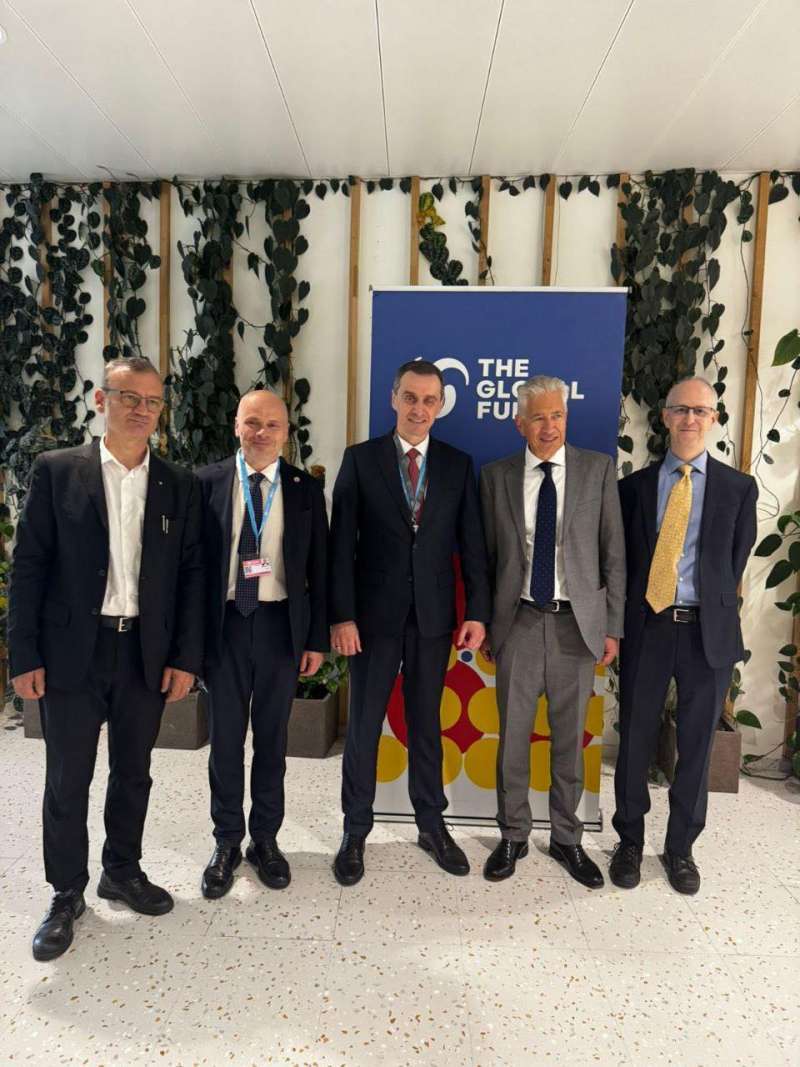
These topics were discussed by delegation and partners during the second day of 78th sessions of the World Health Assembly. This was reported by Mykhailo Radutskyi, Chairman of the Verkhovna Rada Committee on National Health, Medical Care and Health Insurance.
At the meeting with the leadership of the Global Fund, the discussion focused on the need to continue financing HIV/AIDS prevention and treatment programs in Ukraine. Currently, 116,000 patients are receiving antiretroviral therapy, which enables them to keep the disease under control, lead full lives, give birth to healthy children, and prevent transmission of the virus. These services are fully funded by international partners.
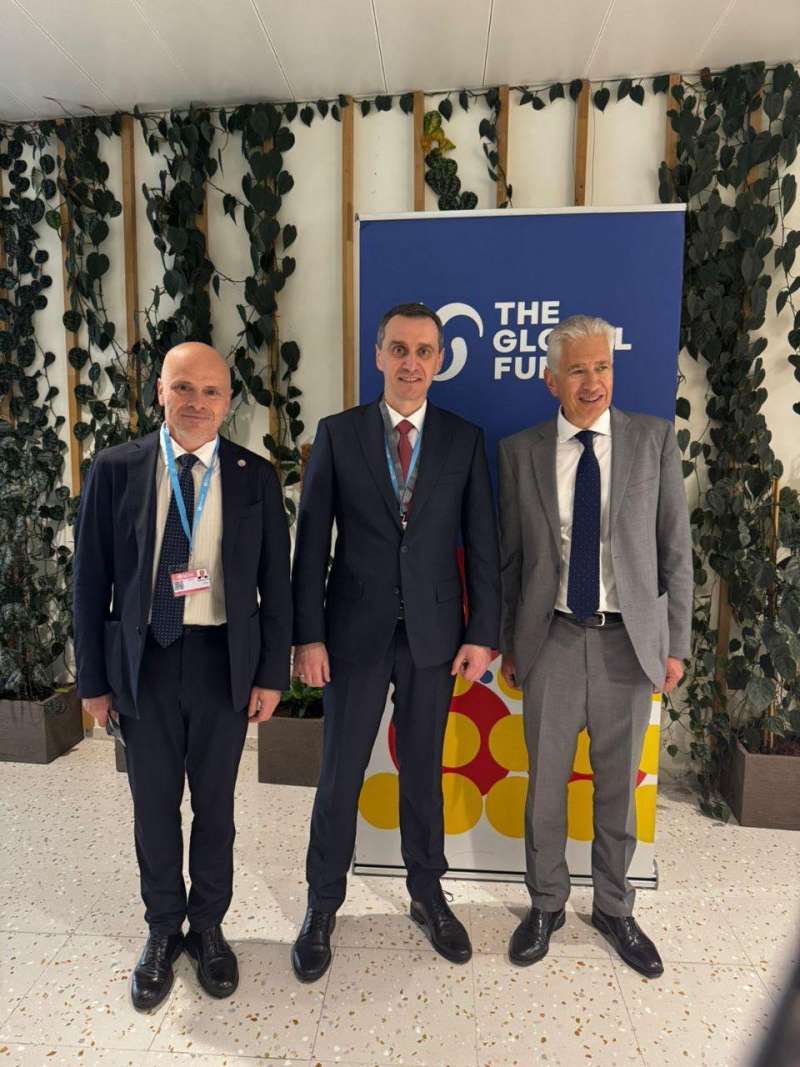
In the near future, adjustments to the programs may occur. As Ukraine enters the budget planning process, it is crucial for us to understand whether the Global Fund will continue its support. According to Fund representatives, one-third of the Fund’s budget currently comes from U.S. contributions. However, there is no final decision yet on whether the United States will maintain its funding. At the same time, we were assured that the Fund will take into account Ukraine’s challenging circumstances caused by the full-scale war when allocating resources among countries.
During the meeting, I proposed that in the event of funding reductions, the Fund should postpone any cuts for Ukraine for as long as possible—at least until 2026. If deferral is not feasible, then the level of reduction for Ukraine should be significantly lower than that applied to other countries, as we are at war and nearly all budgetary resources are directed toward defense.
During the meeting with representatives of the IAEA, we discussed joint projects focused on training Ukrainian specialists and supplying radiological equipment to Ukraine. Lisa Stevens, Head of Cancer Therapy Programs, May Abdel-Wahab, Director of the Division of Human Health within the Department of Nuclear Sciences, and Laura Haskins, Project Officer from the Department of Technical Cooperation, provided updates on project implementation. This included the delivery of cyclotrons and the training of Ukrainian medical professionals who will operate the equipment.
The Ukrainian delegation also expressed its support for the adoption of a new pandemic accord. Having experienced the COVID-19 pandemic alongside the rest of the world, Ukraine has gained valuable expertise in launching mass vaccination campaigns and maintaining a functioning healthcare system amid full-scale war. We clearly understand the importance of international cooperation and the need to engage in global mechanisms for responding to health emergencies.
The pandemic accord is the result of over three years of negotiations among states, experts, and international organizations. The document is intended to serve as a foundation for more effective global coordination to avoid the shortcomings observed during the COVID-19 pandemic and to prepare for future threats. It envisions strengthening early warning and response systems, ensuring equitable access to vaccines, medicines, and medical technologies, and promoting transparent and timely sharing of pathogen-related data. The agreement will enter into force following ratification by national governments.
«Ukraine’s participation in the 78th World Health Assembly is, in itself, a confirmation of our country’s role as an active contributor to shaping global health policy. We are not only recipients of support but also contributors to a shared goal—enhancing global preparedness for future medical challenges,» stated Mykhailo Radutskyi, expressing gratitude to WHO and international partners for their continued support of Ukraine.