The Committee on Ukraine's Integration into the EU: The European Commission supported the provision of almost EUR 4.2 billion to Ukraine
18 July 2024, 10:00
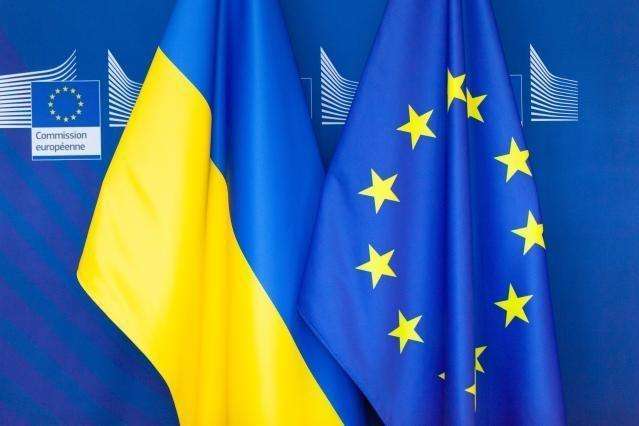
This is stated in the message of the European Commission, the Committee on Ukraine's Integration into the European Union informs. It states that the European Commission has given a positive assessment for the first regular payment of about €4.2 billion under the Ukraine Facility programme. This EU programme was officially launched in March and is aimed at supporting Ukraine's macro-financial stability and the functioning of public administration. Once approved by the EU Council, the total amount of funding under the Ukraine Facility will reach €12 billion.
Regular quarterly disbursements under the Ukraine Facility programme are conditional on Ukraine's implementation of reforms. After assessing the payment request submitted by Ukraine on 9 July 2024, the European Commission concluded that Ukraine had satisfactorily implemented nine reform indicators required to receive the first instalment. The conditions, practical steps and reforms that Ukraine must implement in order to receive financial support are outlined in the Ukraine Plan. The reforms cover public financial management, management of state-owned enterprises, business environment, energy and demining.
The President of the European Commission Ursula von der Leyen said: “The people of Ukraine are fighting a brutal war. And at the same time, they need functioning schools and hospitals, access to water and electricity, trains, roads and bridges to keep the country working. That's why the Ukraine Facility continues to provide vital support to address all of these challenges. And despite all the difficulties, Ukraine is continuing with key reforms to rebuild itself and move forward on its path to the EU.”
The European Commission's announcement lists the conditions fulfilled by Ukraine to receive the first disbursement under the Ukraine Facility. In particular, it states that Ukraine has adopted the legislation necessary to reform the Bureau of Economic Security. It is noted that the new law is a step towards transforming the Bureau into a supervisory body that will be more effective in combating tax evasion and economic crime. It introduces open and merit-based recruitment procedures, including for the new head, who will be selected by a six-member commission, half of whom will be international experts. It is noted that the law will also help ensure the integrity and relevant professional competence of the staff.
It is noted that Ukraine has adopted legislative changes to bring its corporate governance standards closer to international standards, in particular, to clearly define the powers of supervisory boards. These legislative changes will contribute to the effectiveness of the corporate governance system.
It is indicated that Ukraine has also adopted a National Energy and Climate Plan that coordinates and outlines energy and climate policy until 2030 with specific goals, including a significant reduction in greenhouse gas emissions and an increase in the share of renewable energy.
The European Commission has passed on its assessment of Ukraine's satisfactory implementation of the qualitative and quantitative indicators set out in the Ukraine Plan to the EU Council, which must approve the allocation of funds to Ukraine.