Eighth meeting in the format of the Jean Monnet Dialogue was held with the participation of the leadership of the Verkhovna Rada of Ukraine
02 May 2023, 15:40
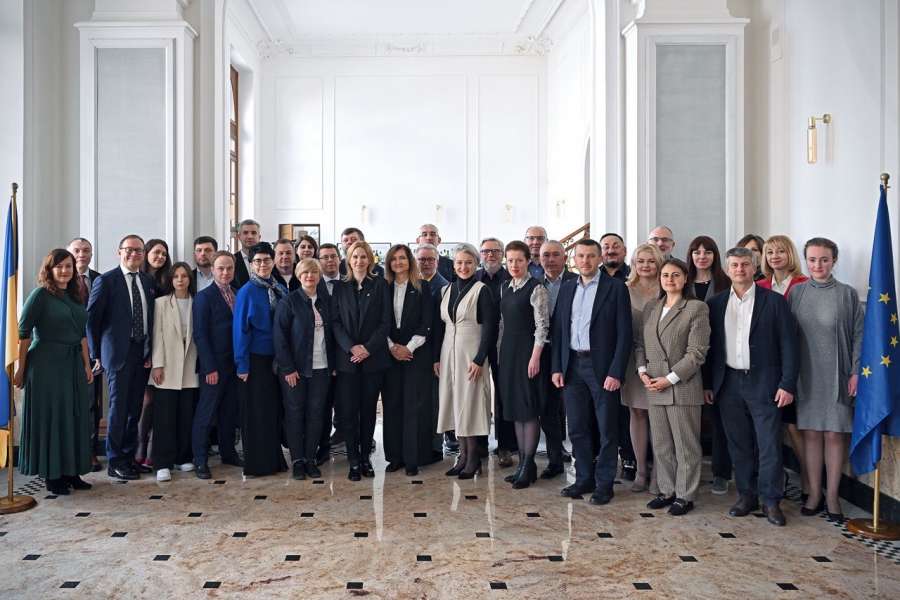
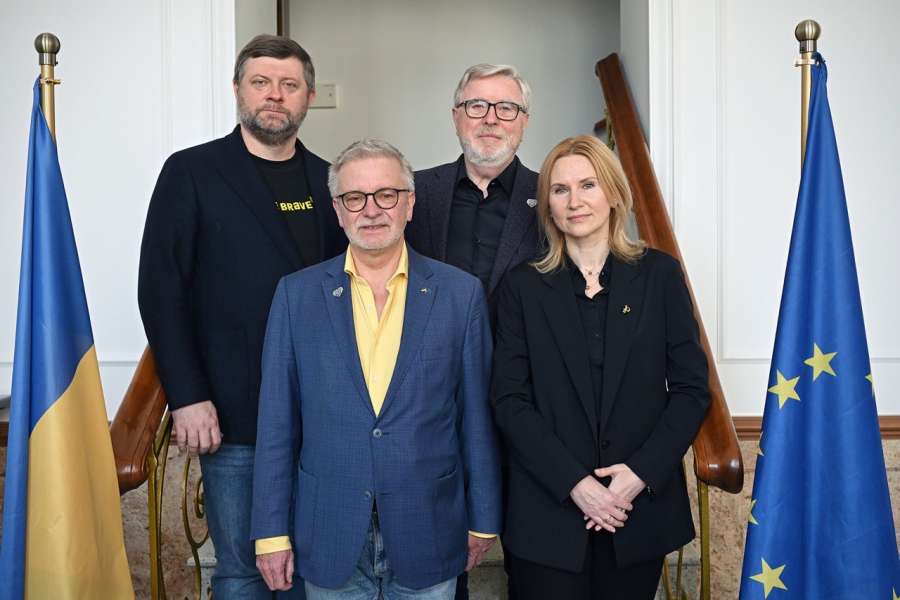
On April 27-29, in the city of Lublin, Poland, for the eighth time since October 2016 and for the second time in the IX convocation of the Verkhovna Rada of Ukraine, the leadership of the Parliament of Ukraine, heads and delegated representatives of parliamentary factions and groups in the Verkhovna Rada of Ukraine of the IX convocation held a meeting in the format of the Jean Monnet Dialogues for Peace and Democracy.
“The conditions under which we are launching the eighth Jean Monnet Dialogue are extraordinary, unique and significantly different from the previous ones,” said the Chairman of the Verkhovna Rada of Ukraine Ruslan Stefanchuk, adding that the first distinctive feature of today’s Parliament is that it is a legislative body in times of war, and the second is that it represents the parliament of an EU candidate country.
In addition, the Speaker of the Parliament of Ukraine noted that Ukraine recognizes that this new status requires new ideas and approaches and a completely new quality of work: “The Ukrainian Parliament must become a transparent, accountable and effective legislative institution, in line with the best European parliamentary practices.”
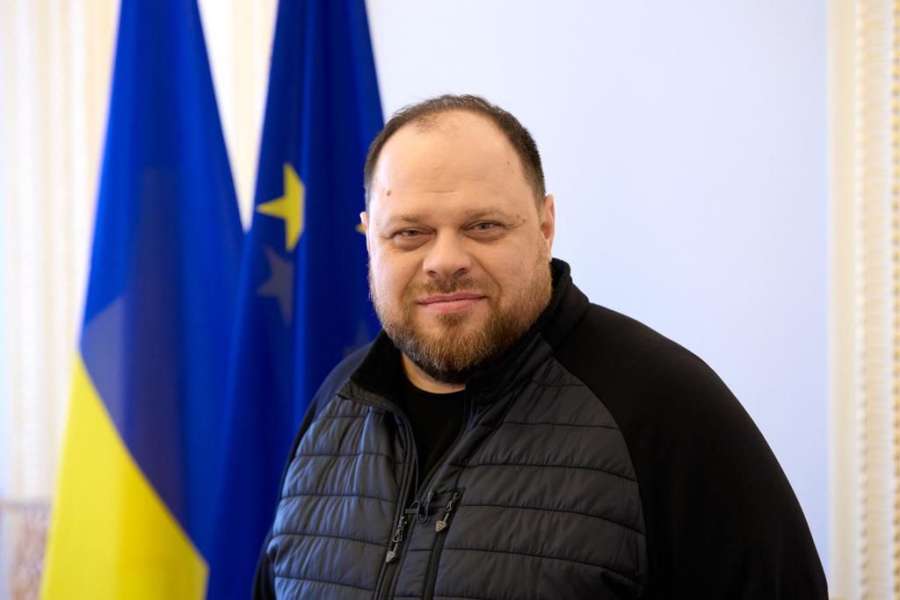
“In this context, the Jean Monnet Dialogues are a platform where we can enlist the help and institutional experience of the European Parliament,” he said.
For his part, the First Deputy Chairman of the Verkhovna Rada of Ukraine Oleksandr Korniienko emphasized that constant and active participation in the Jean Monnet Dialogues process, even in the context of a full-scale war, is a confirmation of the readiness of the Parliament of Ukraine to continue building parliamentarism on the principles of the rule of law, democracy, openness, freedom of speech and pluralism.
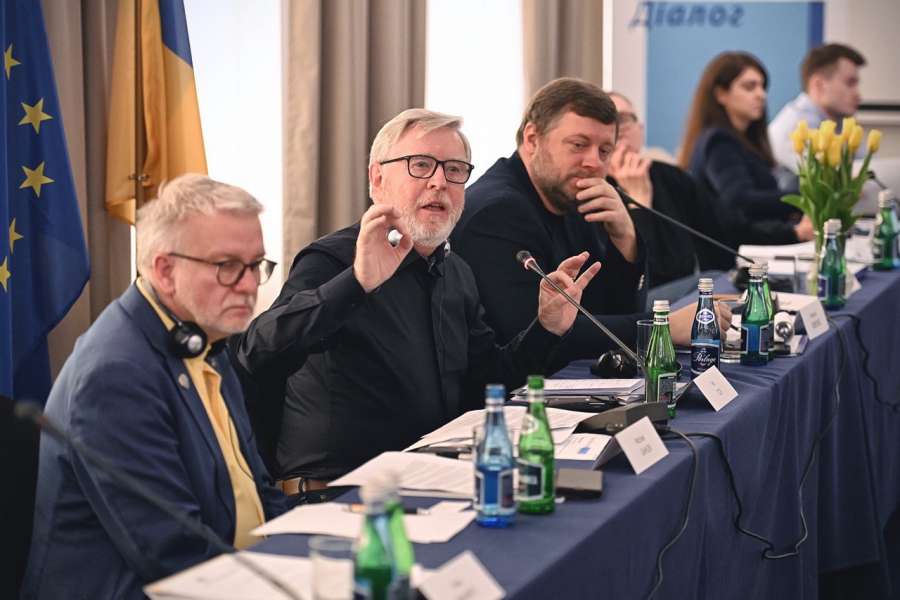
“Ukraine occupies a worthy place in the European family. We do not just share democratic values – we are fighting for them in a fierce war with the aggressor state,” the First Vice Speaker emphasized, adding that when it comes to democracy, everyone understands that responsibility is an important part of it – to our people and for our common victory: “There are many challenges – both in the issues of national security and defense, as well as European integration, post-war reconstruction and the creation of decent living conditions for the Ukrainians who remained and those who will return home after the war.”
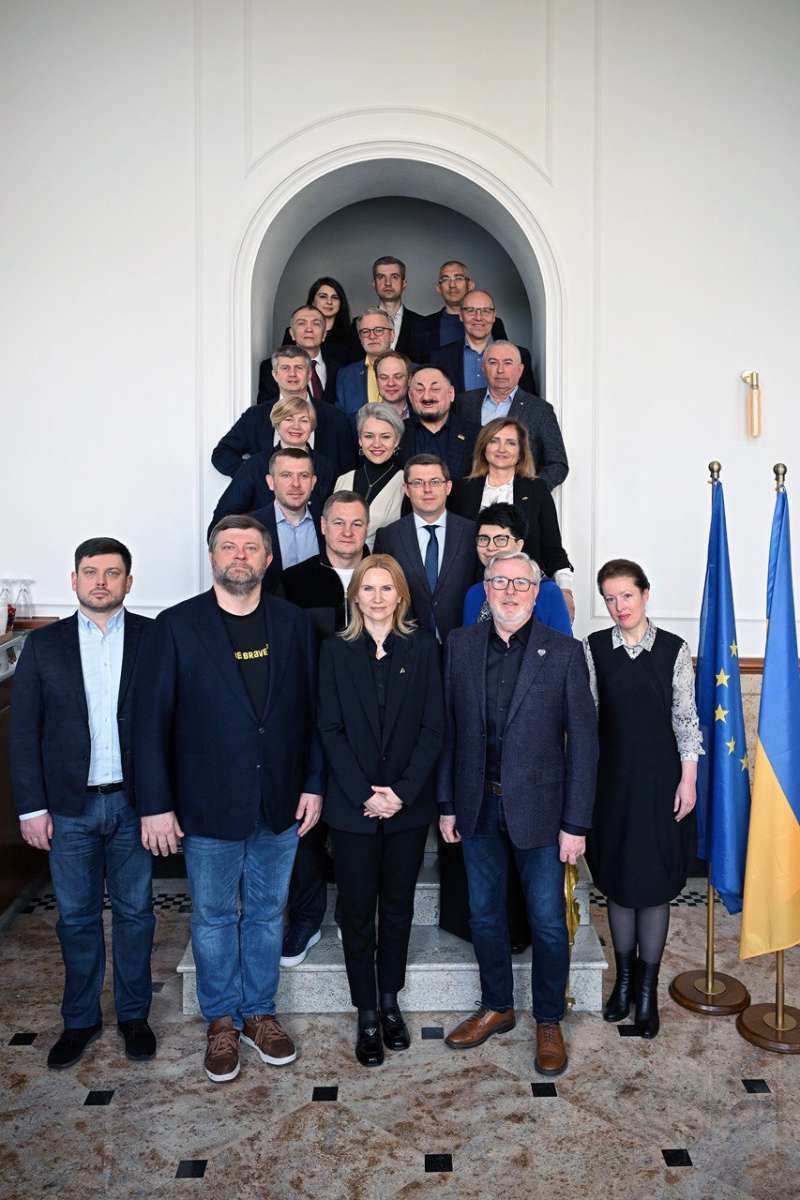
At the same time, Oleksandr Korniienko noted that the Ukrainian Parliament should show unity in the issues important for the state: European integration, national security, protection of Ukraine and everything Ukrainian: “This is a strong incentive to work more intensively for the future of our country.”
“During the eighth Jean Monnet Dialogue, we talked about the values of parliamentary democracy. The Verkhovna Rada should maintain its subjectivity – to be a place of birth of ideas and decision-making, first of all, a place for discussions and competition of political views. This is how society has elected us, with different positions and beliefs,” said Olena Kondratiuk, the Deputy Chairperson of the Verkhovna Rada of Ukraine.
She also noted that the Parliament should be open, and parliamentary education should be a part of the institution’s work. “It is by these criteria – subjectivity, democracy, transparency, and a positive level of public trust in the Verkhovna Rada – that we have been and will be evaluated on our way to the European Union,” emphasized Olena Kondratiuk.
“Despite the suffering caused by putin’s war, we will continue to be together and work together for the benefit of the people of Ukraine, for their future, to ensure that Ukraine's place is in our European family,” emphasized the President of the European Parliament Roberta Metsola.
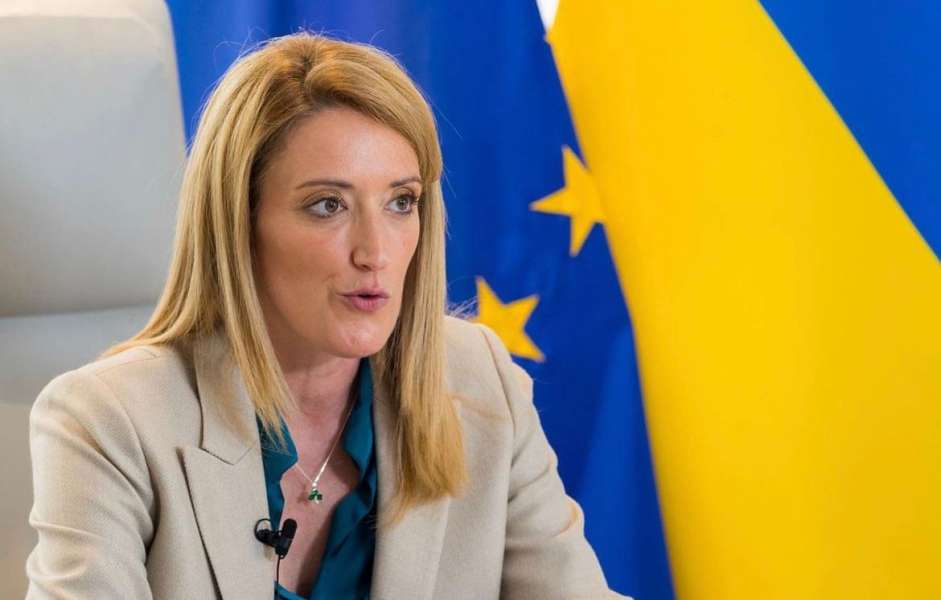
She assured that the European Parliament will always remain a reliable partner and friend of Ukraine, helping all the way: “We appreciate your determination to work tirelessly in the most difficult conditions to harmonize Ukrainian legislation with the EU acquis. The reforms you are implementing now will one day serve as an example for other countries seeking to join the EU.”
As a result, the participants signed the conclusions adopted during the eighth Jean Monnet Dialogue, which emphasized the importance of solidarity and unwavering support provided by the European Union to Ukraine, and stressed that the strongest weapon in the fight against unfreedom is the power of liberal parliamentary democracies.
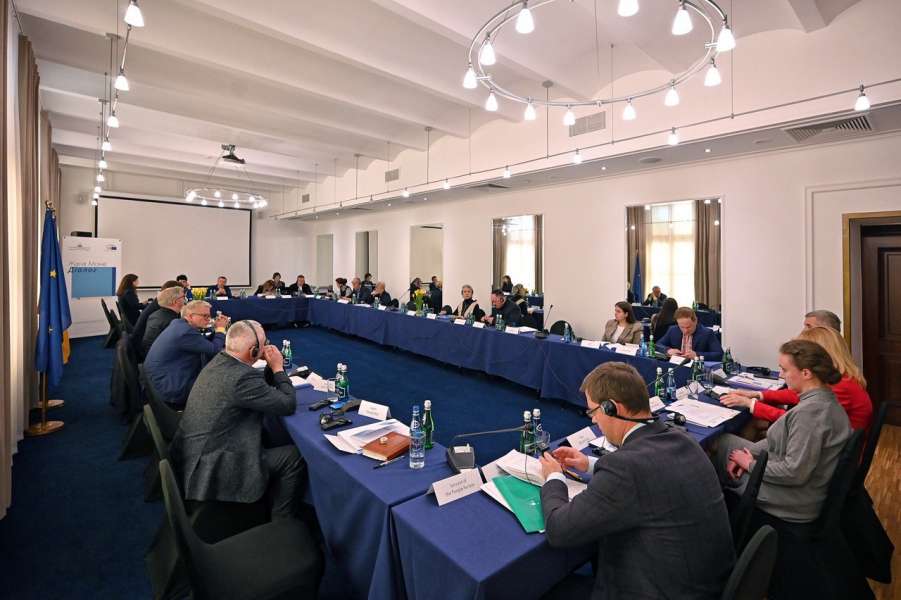
At the same time, the delegated representatives of parliamentary factions and groups in the Verkhovna Rada of Ukraine confirmed their readiness to actively contribute to the process of Ukraine’s European integration. The signatories pledged to bring institutional reforms and dialogue to a strategic level for their decisive implementation.
For reference. The event was organized with the participation of the European Parliament, the United States Agency for International Development in Ukraine (USAID) and the National Democratic Institute (NDI).