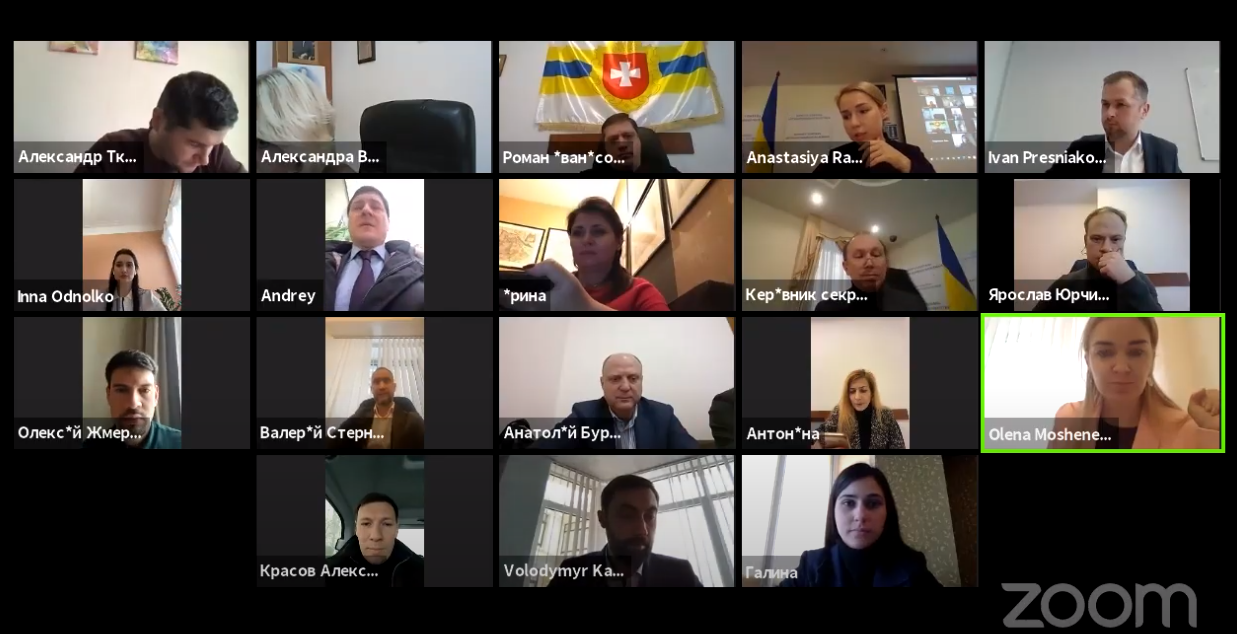
The Committee on Anti-Corruption Policy continued consideration the draft Law “On the Principles of State Anti-Corruption Policy for 2020-2024” in the second reading
11 February 2021, 17:58
Given the amendments supported at the last meeting of the Committee, the bill proposes to approve the Anti-Corruption Strategy for 2020-2025, as well as to make a number of changes to the Law “On Prevention of Corruption”.
The Committee supported in full or in part a number of amendments stipulating that consideration of changes to the Anti-Corruption Strategy will take place with the involvement of the NAPC.
According to the Regulations supported by the MPs the Anti-Corruption Strategy is implemented through the implementation of a program that will have the official name “State Anti-Corruption Program for the Implementation of the Anti-Corruption Strategy”. The program is developed by the NAPC and approved by the Cabinet of Ministers for the duration of the strategy (five years), as the Committee previously supported the decision to move away from the adoption of annual anti-corruption programs.
Based on the results of consideration of the submitted amendments, it was decided to include in the bill a public discussion of the state program and its approval by the NAPC. It is also possible to make changes to it.
The meeting approved an amendment from the Committee, which stipulates that the NAPC coordinates the implementation of anti-corruption strategies and programs. The coordination working group on anti-corruption policy is being set up at the agency as an advisory body. The co-chairs of the group are the Chairperson of the NAPC and the Minister of the Cabinet of Ministers. The group consists of representatives of the bodies that are the executors of the Program and the MPs by consent. Its personal composition is approved by the Cabinet of Ministers. The main task of this body is to promote the coordination of actions of executive bodies on the implementation of the Anti-Corruption Strategy, implementation of the Program for the implementation of the Anti-Corruption Strategy, preparation of proposals for the implementation of state anti-corruption policy, including improving the regulatory framework.
According to the wording of the bill approved by the MPs, personal responsibility for the implementation of the Anti-Corruption Program is assigned to the head who is the executor of the Program's activities. It is also envisaged that the NAPC will publicly inform the Cabinet of Ministers about the results of the Program implementation, as well as submit a report to the Verkhovna Rada during the parliamentary hearings.