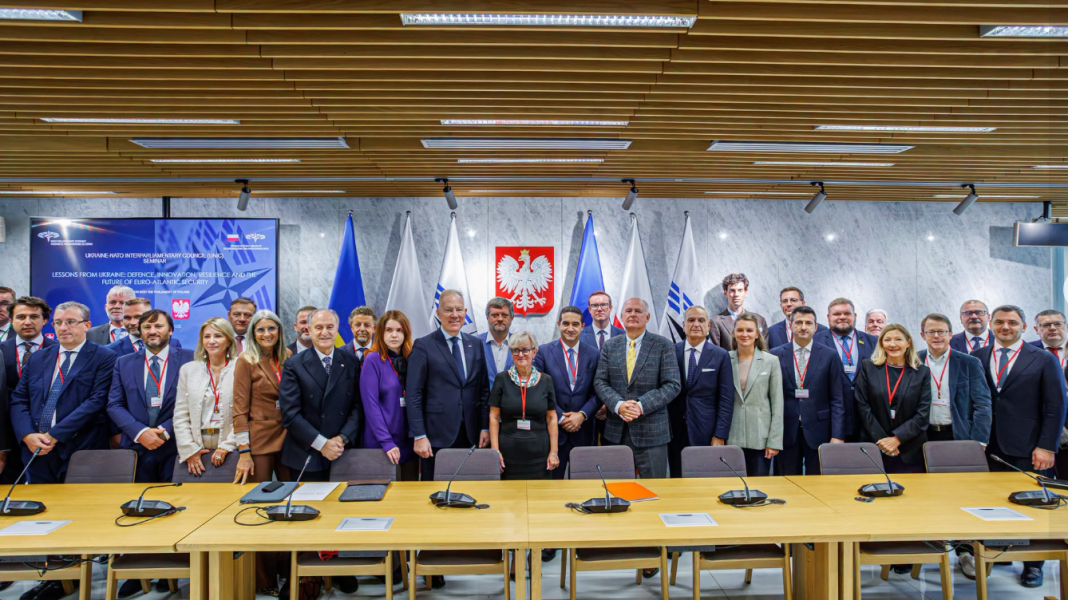
The Ukrainian delegation took part in a seminar of the Ukraine–NATO Interparliamentary Council (UNIC) of the NATO Parliamentary Assembly, held in Warsaw, the Republic of Poland. The theme of the event was “Lessons of Ukraine: Defense, Innovation, Resilience, and the Future of Euro-Atlantic Security.”
The discussions focused on strengthening Ukraine's air defense, developing defense innovations, countering hybrid threats, joint arms production, and funding resilience-building measures. Ukrainian parliamentarians shared their experience in countering russian aggression and discussed practical steps with partners to strengthen collective security.
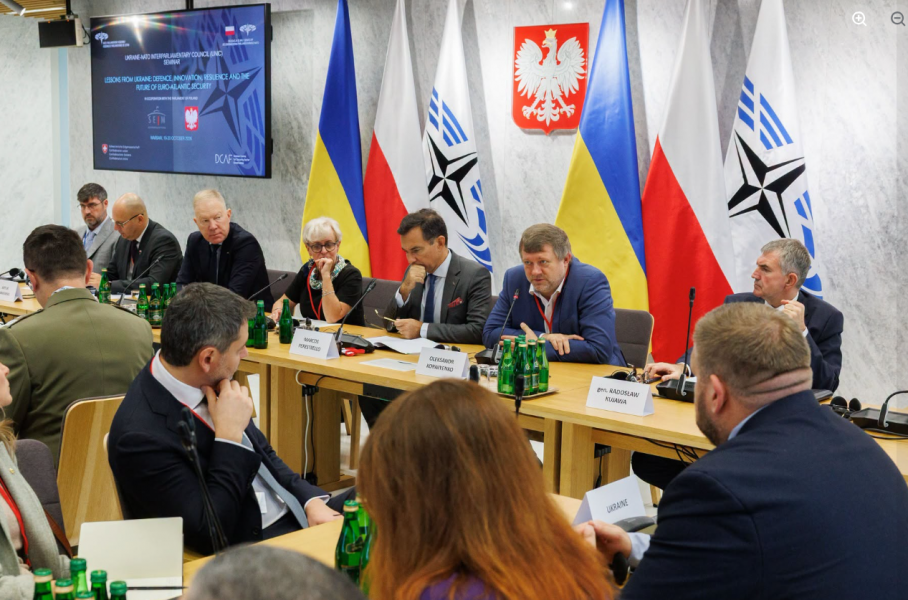
In his address, First Deputy Speaker of the Verkhovna Rada of Ukraine Oleksandr Korniyenko emphasized the critical need to strengthen Ukraine’s air defense amidst ongoing russian attacks against the civilian population. According to him, russia is attempting to compensate for its lack of desired battlefield results through massive airstrikes.
He specifically focused on Ukraine’s experience in implementing defense innovations. The Ukrainian military actively employs unmanned systems in the air, on land, and at sea, while ground-based robotic systems assist in evacuating wounded service members and saving lives.
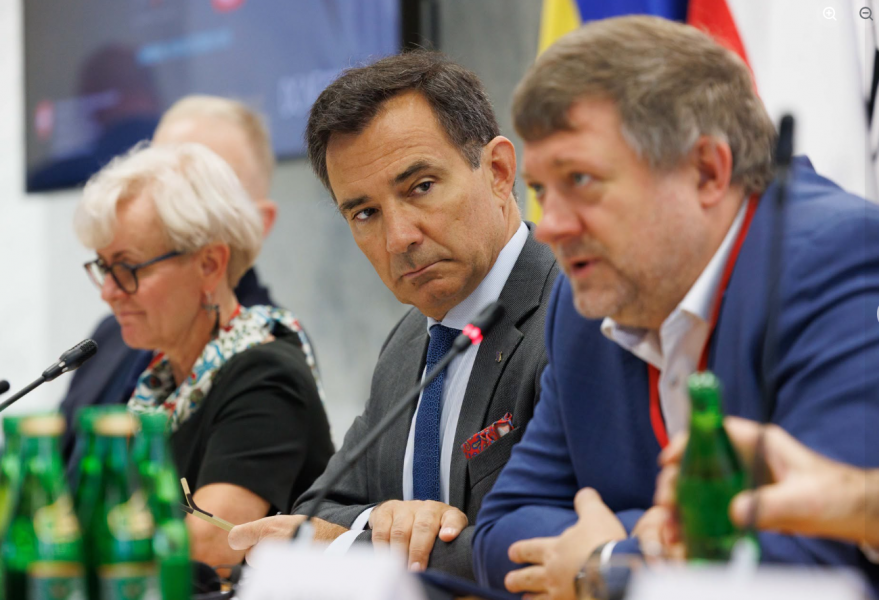
“Modern technologies allow for the more efficient execution of combat missions, even when the enemy possesses a significant advantage in resources. This experience is also valuable for our allies. After all, warfare today demands the rapid implementation of new solutions, flexibility in defense production, and constant interaction among the military, developers, and state institutions,” emphasized Oleksandr Korniyenko.
Another key topic was countering hybrid threats. The First Deputy Speaker of the Verkhovna Rada noted that russian disinformation, propaganda, and information operations affect not only Ukraine, but also public sentiment, political processes, and the security of European nations. At the same time, Ukraine possesses extensive practical experience in countering such challenges and stands ready to share it with its allies.
The seminar program also covered defense procurement, the development of defense-industrial cooperation, and parliamentary oversight. During the thematic discussions, participants explored opportunities to deepen interaction between Ukraine and Allied nations.
In particular, during the session “Defense Innovation in Ukraine: Lessons Learned for Allied Parliaments,” Yehor Cherniev, Deputy Chairman of the Verkhovna Rada Committee on National Security, Defense and Intelligence and Chairman of the Subcommittee on International Military Cooperation, Integration into NATO and the European Union, emphasized the importance of intelligence support from European partners and the rapid exchange of data.
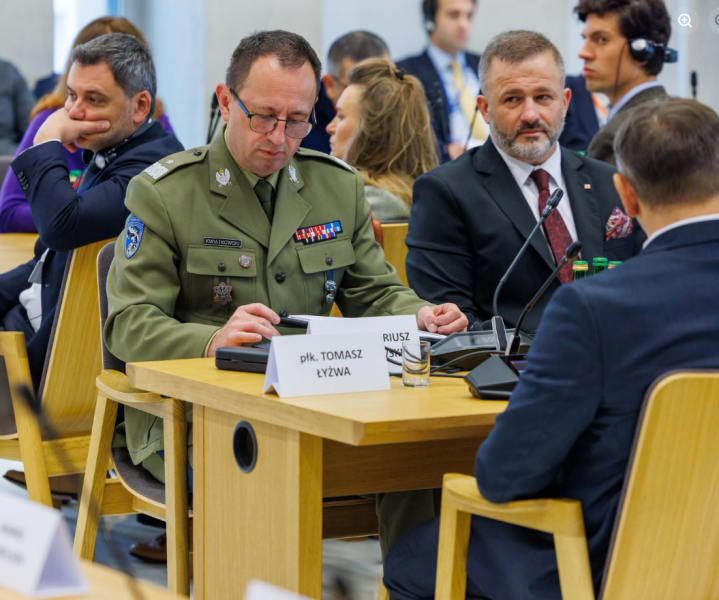
“EU countries provide us with significant intelligence assistance. However, the challenge lies in the speed of receiving satellite data: while the US can provide it practically in real time, obtaining confirmation from European sources can sometimes take hours or even days. Nonetheless, suspending access to intelligence data will not stop Ukrainian strikes on russian oil refineries and other facilities in the russian federation,” noted Yehor Cherniev.
Issues of information security and countering russian influence were further discussed during the session “Countering Hybrid Warfare and Cognitive Actions — From Ukraine to the Entire Euro-Atlantic Area.” Member of Parliament of Ukraine Mariana Bezuhla emphasized the necessity of strengthening coordination among NATO countries, increasing pressure on russia, combating disinformation, and developing affordable air defense systems.
“Hybrid warfare is what war looks like before you are willing to admit that it has already begun. russia’s goal is not only to destroy, but also to force us to become accustomed to its aggression; therefore, the response to hybrid attacks must be swift, coordinated, and decisive actions,” she noted.
Another focus of the discussions was the joint development and production of weaponry, as well as funding for resilience-building measures.
Member of Parliament of Ukraine Andriy Klochko also emphasized the importance of international partnership in the defense-industrial sector. According to him, it is necessary to make more active use of international contacts and partner frameworks to step up support for Ukraine and expand joint arms production with partner nations.
“The NATO Parliamentary Assembly is an institution whose representatives deeply understand the background of russian aggression against Ukraine and the true scale of the threat it poses to the entire European continent. That is why it is essential to keep our partners informed about the battlefield situation, the socio-political context in Ukraine, and the threats that require urgent support. Our experience, battlefield innovations, and international defense-industrial cooperation are vital for the entire Alliance. Joint production in Ukraine and partner countries represents not only weaponry for the front line, but also jobs, investment, and the economic resilience of regions,” stressed Andriy Klochko.
Summarizing the participation of the Ukrainian delegation in the seminar, Oleksandr Korniyenko expressed gratitude to the NATO Parliamentary Assembly and its Secretariat, the Polish colleagues, and Co-Chair of the Ukraine–NATO Interparliamentary Council Marko Mihkelson for organizing the event and maintaining consistent cooperation.
“Ukrainian experience is already helping our partners better understand the nature of modern warfare and prepare for emerging security challenges. It is vital to sustain this dialogue and translate the developed solutions into practical implementation,” emphasized the First Deputy Speaker of the Verkhovna Rada of Ukraine.