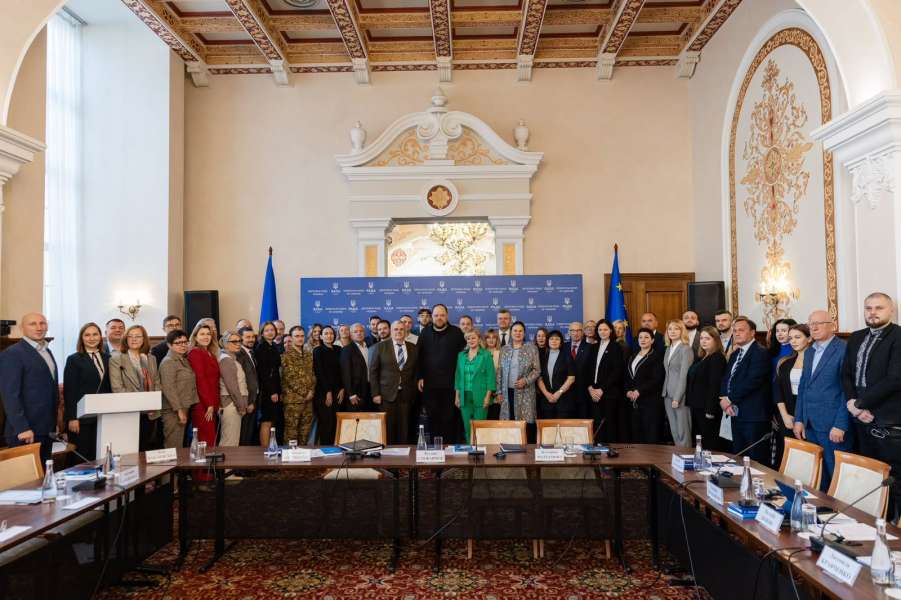
Making the fourth anniversary of the establishment of the Research Service of the Verkhovna Rada of Ukraine, an expert discussion "Constitutional Transformation: European Integration Progress and Post-War Recovery of Ukraine" was held with the support of Ukraine2EU –– the EU Integration Support Programme for Ukraine — and the Hanns Seidel Foundation in Ukraine.
The event was attended by the leadership of the Verkhovna Rada of Ukraine, MPs of Ukraine, judges of the Constitutional Court of Ukraine, the employees of the Secretariat of the Verkhovna Rada of Ukraine, as well as representatives of the state authorities, European institutions, parliaments and parliamentary services of European states, scholars, and experts.
The focus was on issues of Ukraine's constitutional transformation in the contexе of its accession to the EU and post-war recovery, the experience of EU member states in adapting their constitutional systems to EU membership, as well as the role of parliamentary research in preparing reasonable legislative decisions.
Opening the event, the Chairman of the Verkhovna Rada of Ukraine, Ruslan Stefanchuk, emphasized the importance of developing a professional parliamentary research infrastructure.
"Four years ago, we created not just a new unit, but a parliamentary research infrastructure — for analytics, comparative legal analysis, institutional memory, and working with long-term trends. Today, this is especially important. Ukraine is simultaneously waging a war, adapting its legislation to EU law, and must already prepare the legal foundations for post-war recovery," noted Ruslan Stefanchuk.
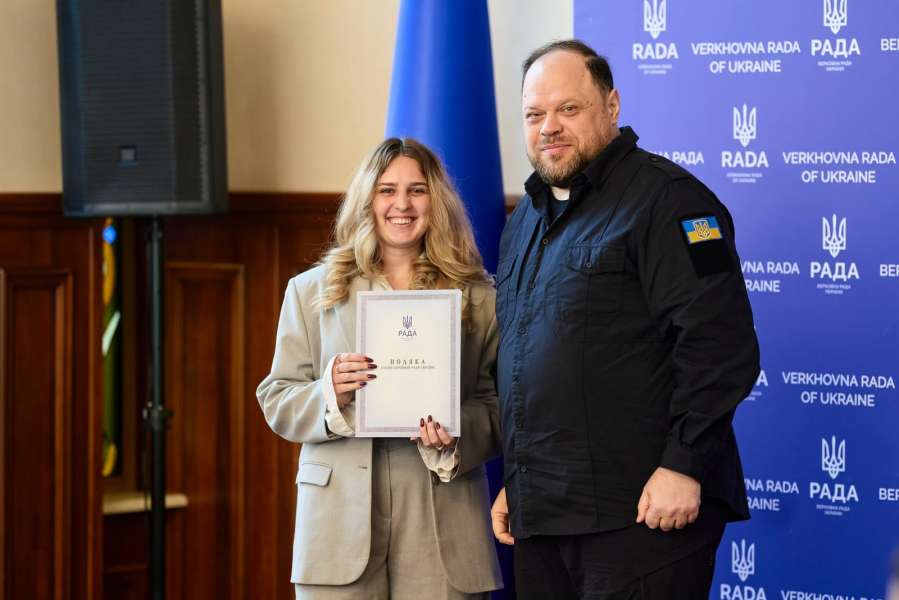
The Chairman of the Verkhovna Rada also noted the role of the Research Service as a professional institutional resource of Parliament that ensures analytical and expert support during the preparation of legislative decisions. For their significant contribution to the work of the Verkhovna Rada of Ukraine, the staff of the Research Service were awarded Certificate of Appreciation of the Chairman of the Verkhovna Rada of Ukraine.
The First Deputy Chairman of the Verkhovna Rada of Ukraine, Oleksandr Korniienko, also noted the importance of the expert component in the European integration process. According to him, developing approaches to constitutional reforms while taking into account the experience of partner states requires special attention.
"Against the backdrop of our work on negotiation clusters, chapters, and roadmaps, the topic of constitutional reforms assumes particular importance. Holding such discussions together with colleagues from partner states who have already walked this path and possess relevant experience should help Ukraine determine its own approaches to the negotiation process with the EU. It is essential that constitutional transformations take place in accordance with the standards and principles of our democracy," noted Oleksandr Korniyenko.
Ambassador of the European Union to Ukraine Katarína Mathernová also spoke on the importance of reforms for Ukraine's European integration.
"Ukraine is built on democracy, human dignity, and the rule of law. Today, it is fighting on two fronts: one is the battlefield, where Ukraine defends its sovereignty, and the other is carrying out the reforms necessary for accession to the EU," she emphasized.
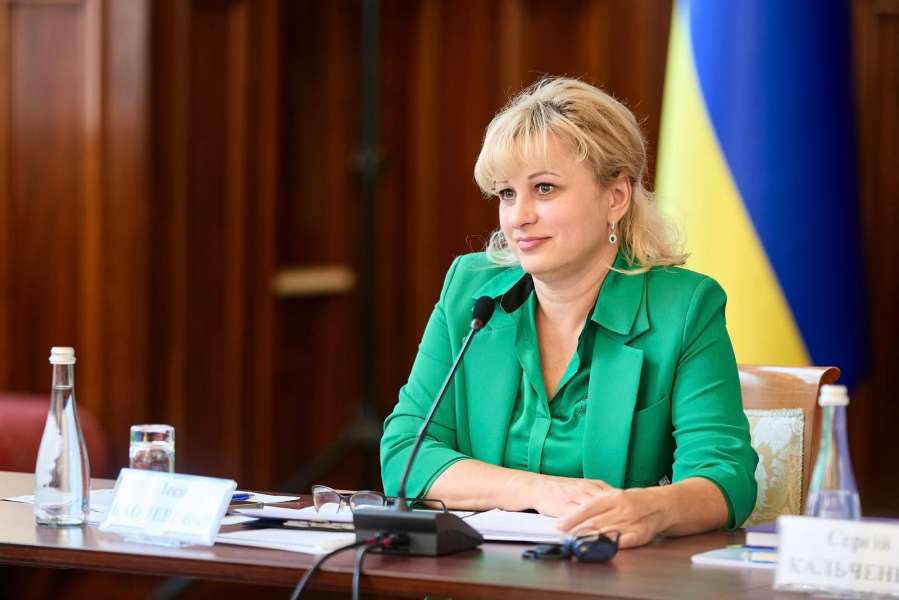
During the event, special attention was paid to the role of parliamentary analytics and research work in ensuring the quality of state decisions. The Head of the Research Service of the Verkhovna Rada of Ukraine, Lesia Vaolevska presented the main areas of the Service's activities and its achievements.
In particular, the discussion focused work in the areas of the constitutional architectonics of state authority, the defence and security sector, human rights in times of crisis, justice, the activities of law enforcement agencies, European and Euro-Atlantic integration. The participants were also presented with a Guide on the Consideration of Draft Laws on Amendments to the Constitution of Ukraine by the Verkhovna Rada of Ukraine and a practical handbook titled "Member of Parliament of Ukraine."
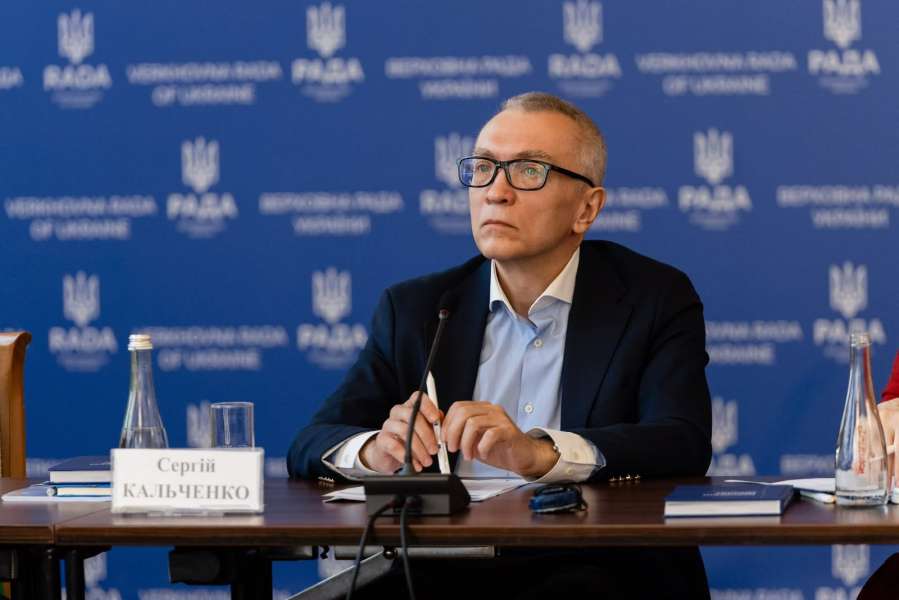
In his welcoming remarks, the Chairman of the Verkhovna Rada Committee on Rules of Procedure, Parliamentary Ethics and Administration of the Verkhovna Rada of Ukraine, Serhii Kalchenko, suggested considering future changes as a "constitutional rethinking" directly linked to Ukraine's accession to the European Union.
Mante Makauskaite, Team Lead of the Ukraine2EU –– EU Integration Support Programme for Ukraine, paid attention to the importance of high-quality public dialogue and evidence-based decision making in the process of the European integration:
"Today, Ukraine has a very important mission. At the time when the country is fighting for its freedom and democracy, the quality of public debate and adoption of political decisions is of crucial importance. We have to be ready for the fact that further progress in European integration will require even more effort."
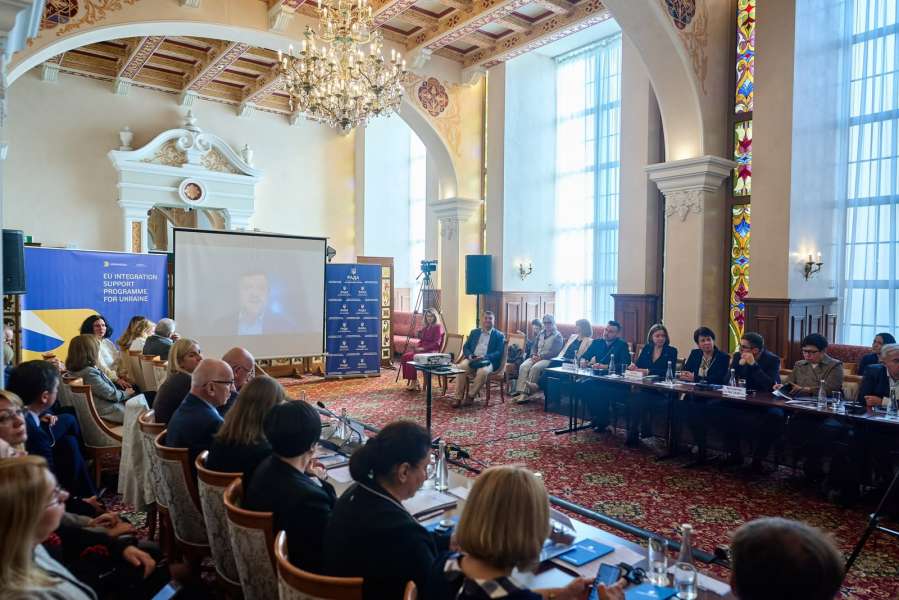
During the panel discussions, participants examined the experience of European Union member states regarding the constitutional framing of membership, the relationship between national law and EU law, the transfer or joint exercise of certain state powers, the democratic legitimacy of integration decisions, as well as the role of parliaments and constitutional courts in this process.
Practical insights were shared by representatives of Romania, Czechia, Lithuania, Poland, Germany, Austria, Slovenia, and Norway, as well as the European Parliament, the European Court of Human Rights, and the EU Advisory Mission Ukraine.
"Today, we see significant progress by Ukraine and are certainly interested in continuing our cooperation. European integration is not only a legislative process, but also the proper organization of the work of state institutions, the safeguarding of human rights, and the rule of law. It is crucial that today Ukraine defends all these values," noted Štepán Pecháček, Director of the Parliamentary Institute of the Chamber of Deputies of the Parliament of the Czech Republic.
Participants in the discussions noted that there is no universal model for constitutional adaptation to EU membership. States have chosen different approaches, taking into account their own constitutional traditions and the specific characteristics of their state structure. At the same time, clear boundaries for the transfer of powers, proper democratic legitimacy of relevant decisions, the preservation of the supremacy of the Constitution, effective parliamentary oversight of the government's European policy, and institutional readiness to implement EU law remain common benchmarks.
The expert discussion served as a platform for exchanging experience on the constitutional changes necessary for Ukraine's further movement toward the European Union, as well as for developing approaches that can be taken into account during the European integration process and the preparation of the legal foundations for post-war recovery.