Off-site meeting of the TSC on Protection of IDPs’ Rights in the Odesa Region: Parliamentary Oversight, Housing Solutions, and Strengthening the Role of Civil Society
Published on 12 August 2024, at 11:00During an off-site meeting in the Odesa region, the Temporary Special Commission (TSC) on Protection of IDPs’ Rights inspected the living conditions of IDPs, the practical protection of their rights, and the efficiency of budget spending by state and local authorities in the Odesa, Mykolaiv, and Kherson regions.
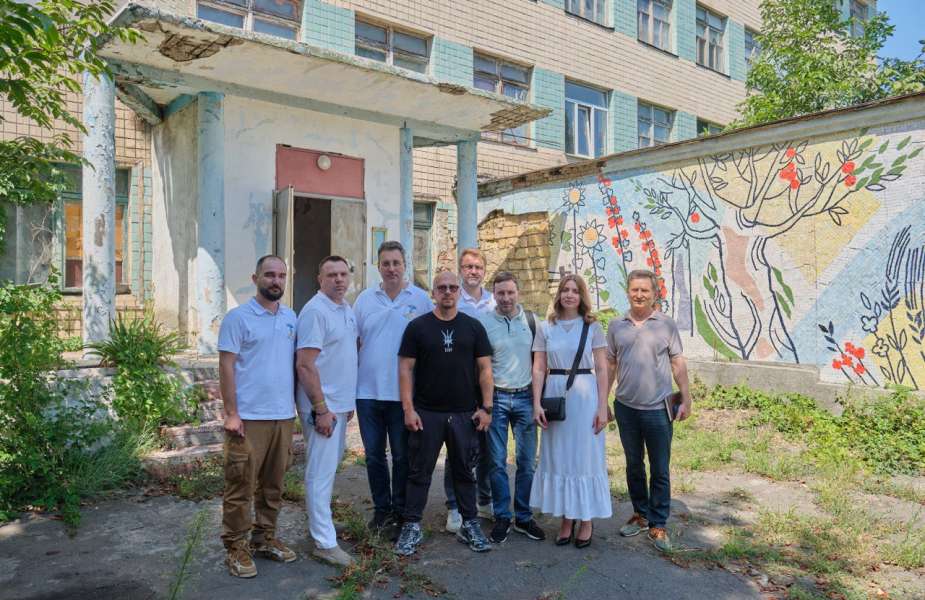
The TSC members also visited problematic collective sites and considered options for housing IDPs. They had the opportunity to speak with displaced persons and volunteers, learning about their challenges and their views on the urgent steps needed to improve the situation.
The TSC has decided to address the Prime Minister of Ukraine on the following issues:
- Enforcement of the government decision to prohibit the suspension of housing and utility services due to non-payment or the collection of debts during the service provision period in occupied areas.
- Increasing the effectiveness of social services and boosting funding for social assistance services.
- Implementing support measures for children who have received "child of war" status, including psychological assistance.
- Providing access to the eVidnovlennia program for Ukrainians whose homestead-type houses in cottage and garden cooperatives, not listed in the address book, have been destroyed or damaged.
- Improving the water supply system in the Kherson region, including the construction of artesian wells and ensuring proper financing.

After analyzing the activities of the Odesa, Mykolaiv, and Kherson Regional Military Administrations, the TSC has proposed the following to these RMAs:
- Strengthen efforts to create housing funds for temporary accommodation of IDPs, activate the search for real estate objects, and bring them to a habitable state using public-private partnership mechanisms and humanitarian organization assistance.
- Conduct a comprehensive one-month monitoring of collective sites and other facilities housing IDPs, and take measures to improve their living conditions, including access to medical, social, and educational services, and legal support.
- Implement credit programs that provide compensation from regional and territorial community budgets for housing loan interest rates for IDPs.
- Inform citizens about collective sites for IDPs, their locations, the number of available places, and technical conditions by posting an interactive map with such information on the RMA websites.
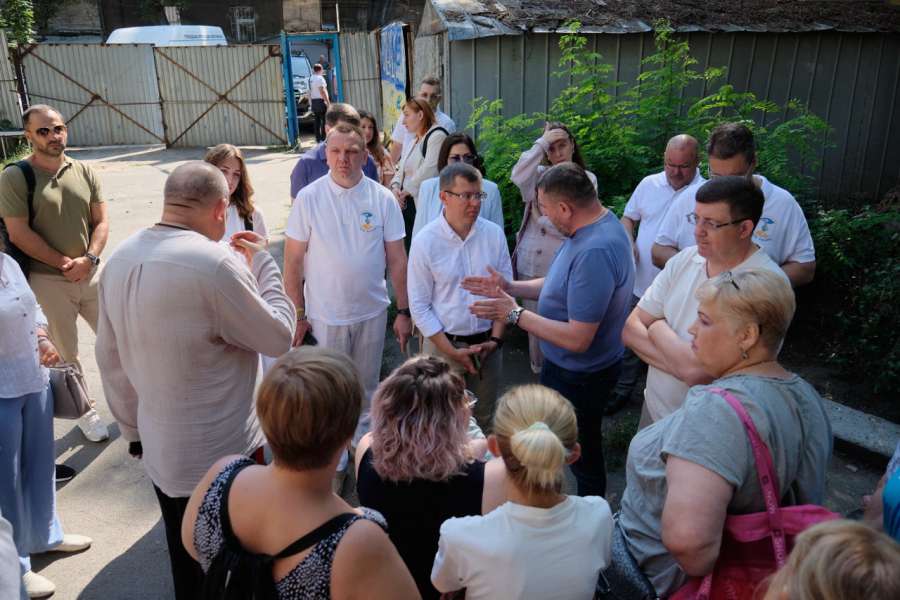
The TSC will oversee the resolution of rights violations of IDPs living in a building at 4 Uspenska Street in Odesa, where there has been no electricity for over a year. The electrical system is to be repaired shortly, the debt for consumed electricity paid off, the power supply restored, and the facility transferred to a regional municipal institution for further contract agreements with residents.
The Kherson RMA was tasked with collecting information on the estimated damage caused by Russian aggression, as well as on the number of Ukrainian citizens with surviving homes in the temporarily occupied territories of the Kherson region who wish to receive compensation for such housing in exchange for renouncing ownership rights.
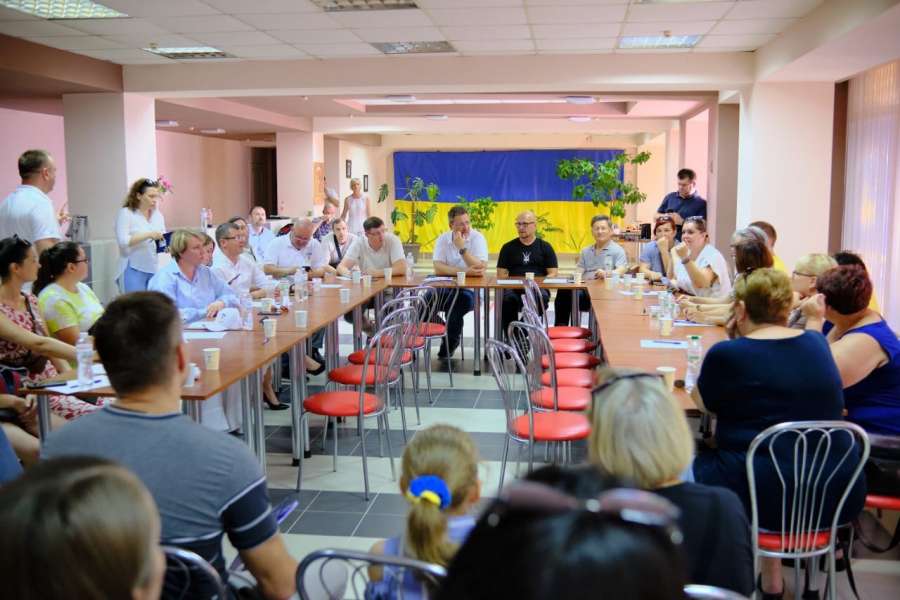
The State Audit Service of Ukraine was recommended to conduct a state financial audit of the budgets of the Kherson region and the city of Kherson for 2022, 2023, and the first half of 2024.
The working visit was attended by the People’s Deputies of Ukraine, representatives of the Ombudsman's Office, civil society, and international organizations, including NRC, Caritas, R2P, SSS, and others.
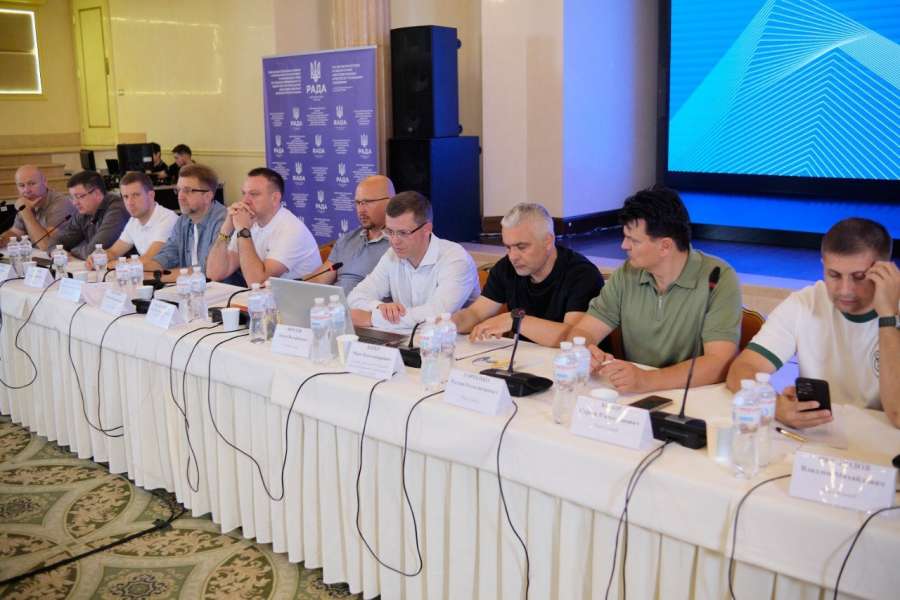
During the event, which took place with the support of the USAID Program "RADA: Next Generation," People’s Deputies of Ukraine worked with active civil society representatives in highly beneficial training sessions on public participation in parliamentary work and on effective ways for the public to respond to challenges in the humanitarian sphere. A day-long training session was organized by an NRC representative for the public and volunteers, covering issues such as public advocacy, the cluster system, and project management.